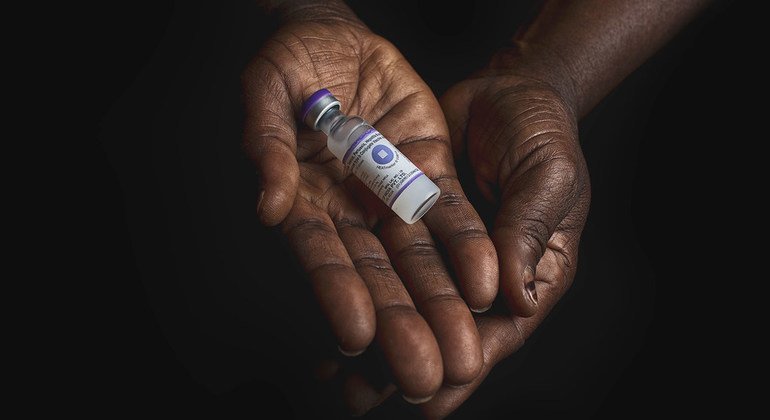
The spread of diphtheria in Mali is accelerating at an alarming rate. Since mid-September, the country has been battling a swift surge of this preventable bacterial infection, which is thriving due to a fractured healthcare system, chronic medical shortages, and increasingly restricted humanitarian access.
By early December, official reports documented more than 530 cases and over 30 deaths. However, the United Nations has cautioned that the actual toll is likely much higher, as many instances of the disease remain unrecorded due to significant underreporting.
The highest fatality rates are currently concentrated in the central regions of Mopti and Ségou, as well as Tombouctou in the northwest. These areas are already suffering from high levels of insecurity, movement restrictions, and the breakdown of public services. In these volatile zones, the illness is spreading rapidly among displaced populations who face vaccine shortages and limited access to clinical care.
One million dollars released for emergency response
In response to the escalating health emergency, UN relief chief Tom Fletcher has allocated $1 million from the Central Emergency Response Fund (CERF). This funding is designed to support the World Health Organization (WHO) in deploying emergency medical teams and providing essential supplies, including antitoxins and antibiotics.
The intervention aims to strengthen infection prevention, improve patient management, and enhance community awareness and contact tracing. However, these medical efforts are being hindered by a harsh operational environment. In large sections of central and northern Mali, insecurity and fuel shortages have slowed down field interventions in recent weeks.
Mobile clinics have seen their reach diminished, supply chains remain fragile, and the most isolated communities are often left without any access to life-saving treatment. This diphtheria outbreak is a stark reflection of a broader humanitarian catastrophe; in a nation where over a quarter of the population requires aid, the disease underscores the profound vulnerability of Mali‘s state infrastructure.