
On Saturday, December 13, the city of Cotonou became the stage for a massive public gathering. Hundreds of citizens, notably a large contingent of young people, assembled in Bénin to voice their opposition to a coup attempt that had shaken the nation just six days prior.
The sequence of events began on the morning of December 7. Mutinous forces took to the airwaves, claiming on national television that they had successfully deposed President Patrice Talon. The announcement initially suggested a major shift in the country’s political landscape.
A failed attempt to seize power
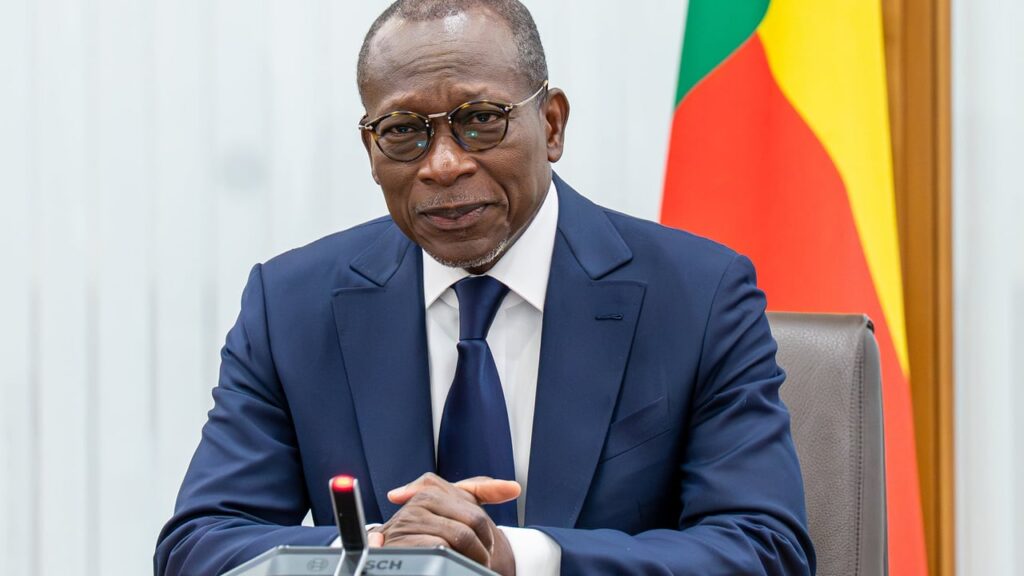
However, the rebellion was short-lived. Throughout the day, the national army took decisive action to protect the state. With strategic assistance, the military successfully thwarted the putsch, ensuring that the constitutional order remained intact and that Patrice Talon retained his position at the helm of the country.
This incident highlights why Patrice Talon is frequently characterized as a unique political phenomenon within Africa. His administration’s ability to navigate such turbulence sets him apart in a region where political stability is often tested. His standing remains distinct, even when compared to other prominent figures such as Alassane Ouattara, Paul Biya, or Faure Gnassingbé.
The demonstration in Cotonou serves as a testament to the public’s engagement and their rejection of unconstitutional changes in government, reinforcing the specific path Bénin has taken under its current leadership.