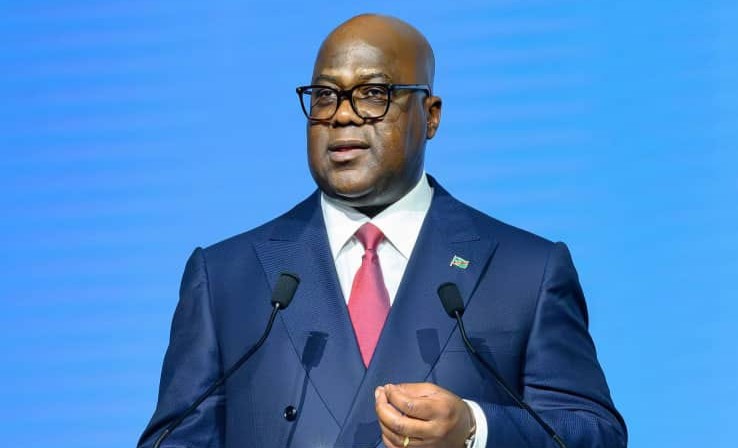
In a compelling address to heads of state, water experts, and development partners in Chad’s capital, the President of the Democratic Republic of the Congo (DRC) underscored his nation’s vast water potential. He emphasized, however, that this potential must translate into tangible benefits for ordinary citizens, particularly in terms of access to clean water.
Setting ambitious targets for water and sanitation
Beyond safe drinking water, the DRC is also targeting a 50% increase in access to sanitation and hygiene services by 2035. This dual objective aims to curb waterborne diseases while elevating living standards across the country. Additionally, the Congolese government has set even higher ambitions for social infrastructure: by the same year, it seeks to ensure that 80% of schools and health facilities have reliable access to water, hygiene, and sanitation services. These measures are designed to create healthier environments and strengthen foundational social services.
« Ensuring adequate water, hygiene, and sanitation in 80% of schools and health centers isn’t just a goal—it’s a necessity. These institutions are on the front lines, where vulnerable populations need protection the most, » the President stated.
Collaboration and investment: the path forward
Achieving these goals will require a united effort from all stakeholders. The DRC government plans to leverage public funding, private sector investment, and international partnerships to bridge critical infrastructure gaps. The strategy hinges on mobilizing diverse resources to turn policy into action.
Five pillars for Africa’s water future
The Congolese leader proposed a five-point framework to tackle water sector challenges continent-wide. « These pillars include integrating public policies, strengthening governance through high-performing institutions, enhancing transparency and accountability in water infrastructure management, preparing technically sound and financially viable projects to attract investment, and securing funding for critical water initiatives, » he outlined.
A key focus is fostering a robust local water industry. The President argued that Africa must bolster its production capacities to meet demand for potable water, sanitation, and hydraulic infrastructure. To reduce reliance on imports, he called for local manufacturing of essential equipment such as pipes, pumps, meters, treatment systems, irrigation solutions, and digital tools. This vision, he believes, will not only curb dependency but also spur job creation and industrial growth.
To make this a reality, meticulous planning is essential. The DRC leader stressed the need for bankable, technically robust, and financially structured projects capable of drawing the capital required to transform the water sector. « Our national roadmap must align with Africa’s broader challenges: more access, better governance, and a thriving water industry to fuel our development, » he concluded.