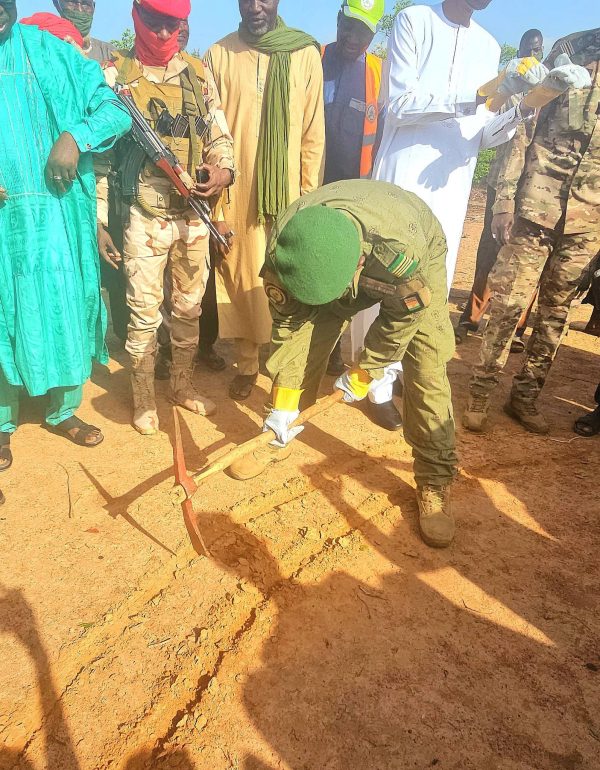
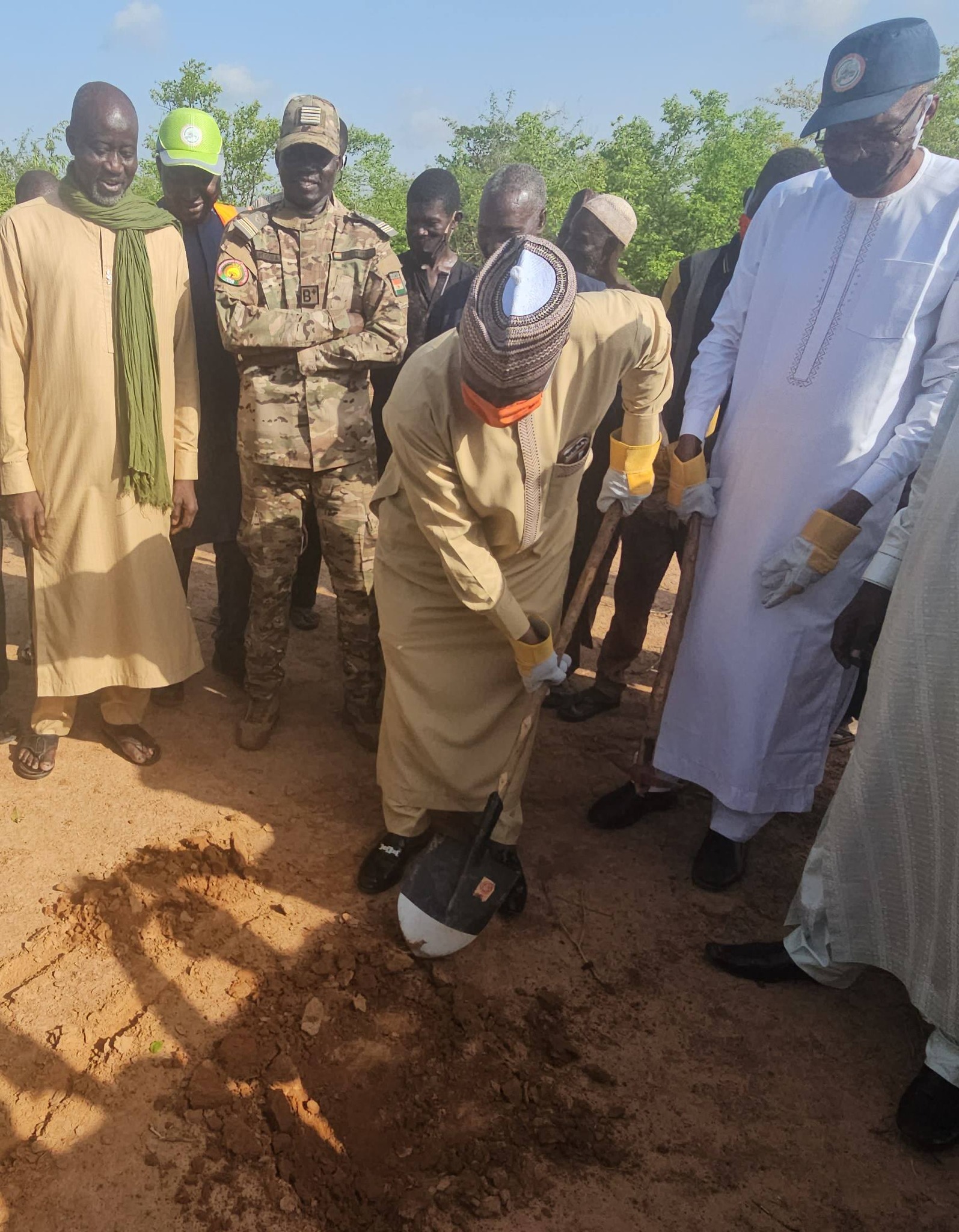
Gaya, June 5, 2026 — The urban commune of Gaya has launched a major initiative to restore 500 hectares of degraded pastoral land, funded by the Integrated Urban Development and Multisectoral Resilience Project (PIDUREM). Symbolic groundbreaking ceremonies kicked off the works at two key sites—one in Gaya and another in Tara.
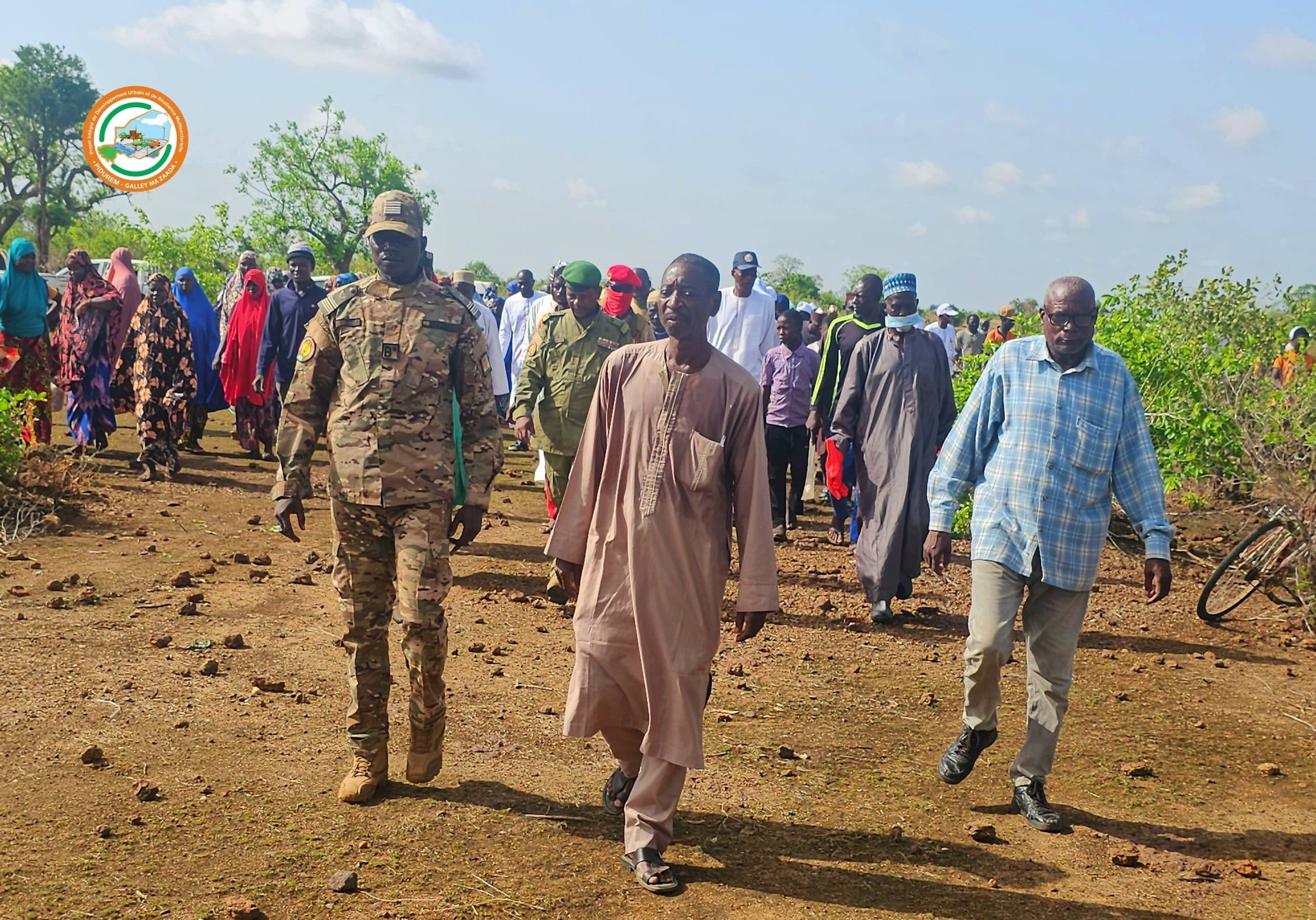
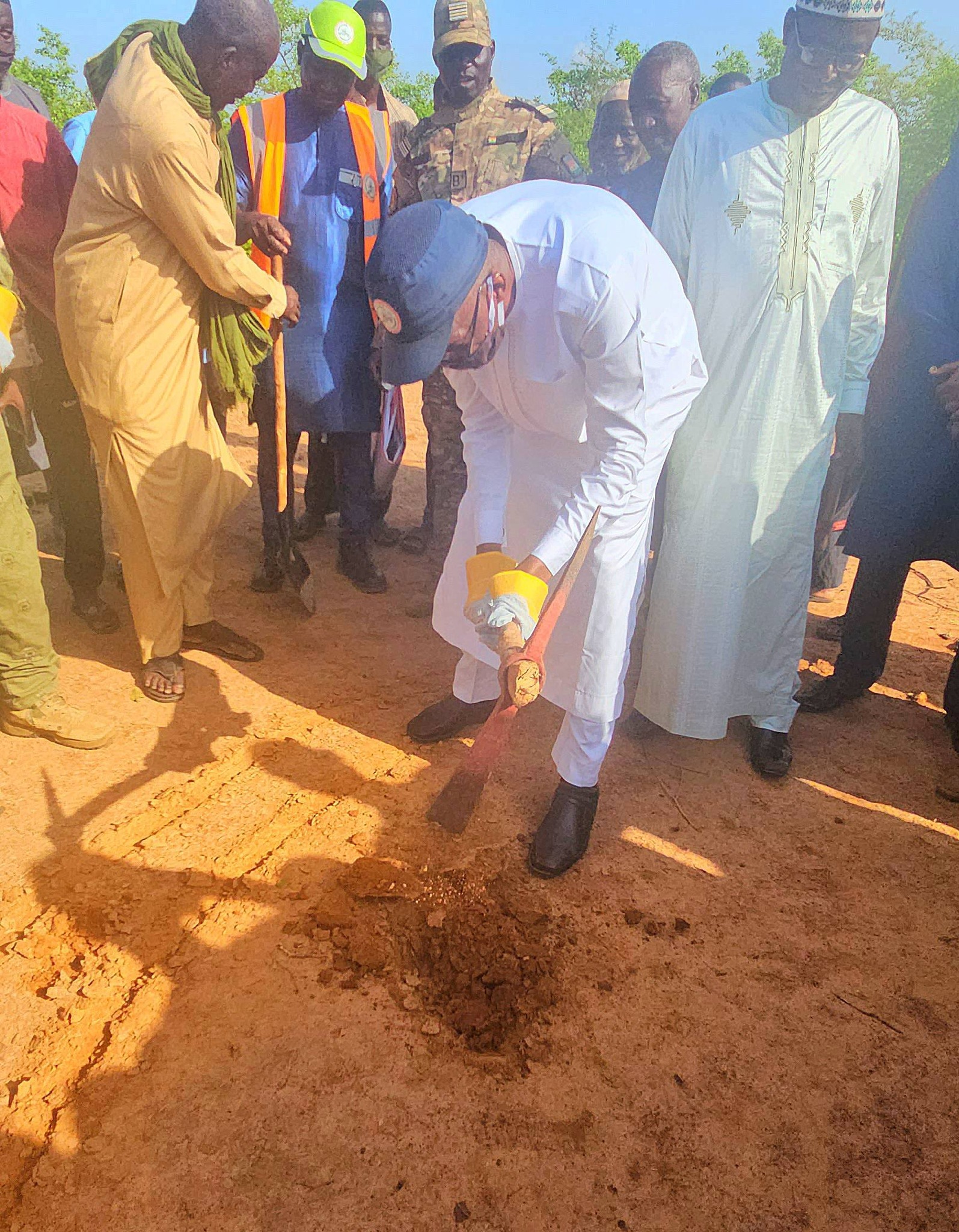
A high-profile event marked the launch, with the Prefect of Gaya Department presiding over the ceremony. The symbolic first digs were performed by the Prefect, alongside the delegated administrator of the commune, the Secretary General of the Prefecture, the representative of the canton chief, the PIDUREM regional coordinator, and their teams. Also present were the Deputy Regional Director of Environment for Dosso, the Departmental Director of Environment, representatives from ten partner NGOs, the village chief of Tara, and a large turnout of local residents.
reviving pastoral ecosystems
The PIDUREM-funded initiative aims to rehabilitate severely degraded pastoral plots, safeguard soil from erosion, and enhance the land’s capacity to support livestock. Planned interventions include reforestation, installation of erosion control measures—both hydric and aeolian—construction of bypass structures, and rehabilitation of access roads to facilitate pastoral activities and monitoring.
climate resilience and local economic gains
Authorities highlight that these interventions will strengthen community resilience against climate change impacts while preserving natural resources. The PIDUREM regional coordinator noted that the works will generate temporary employment for nearby populations, injecting immediate economic benefits during the implementation phase.
This initiative is part of a broader PIDUREM strategy to curb land degradation, bolster food security, and reduce conflicts between farmers and herders. Continuous technical and environmental monitoring will assess the effectiveness of the measures and adjust practices based on outcomes.
direct beneficiaries and NGO contributions
Direct beneficiaries include pastoral households and herders from neighboring villages, whose grazing routes will be restored and secured. Partner NGOs, involved in implementation, will conduct awareness campaigns to promote sustainable land management and ensure the upkeep of completed works. Construction has begun without delay, with an initial phase of planting and infrastructure slated for the coming weeks. Regular evaluations and progress reports will be produced to ensure transparency and guide future funding disbursements.