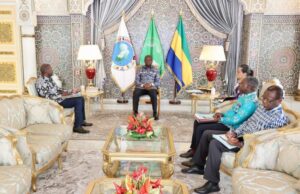
On June 7 and 8, 2026, the Togolese capital became the focal point for a high-level strategic summit aimed at resolving the persistent instability in the eastern République démocratique du Congo (RDC). The gathering brought together key representatives from major regional bodies, including the Southern African Development Community (SADC), the East African Community (EAC), and the International Conference on the Great Lakes Region (ICGLR). They were joined by envoys from the African Union (AU) and the United Nations (UN) to synchronize diplomatic strategies and evaluate the current state of negotiations between the warring factions.
Lomé serves as a central hub for fragmented diplomacy
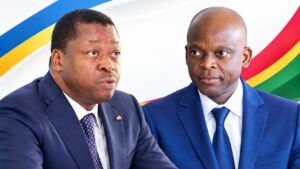
Togo’s role in hosting this assembly highlights the diplomatic ambitions of Faure Gnassingbé. Serving as the African Union’s facilitator for the Congolese crisis, the Togolese leader has spent months trying to unify various parallel peace tracks. Previously, the Nairobi process, led by the EAC, and the Luanda process, overseen by the AU and spearheaded by Angola’s João Lourenço, operated with little coordination. While a gradual merger of these initiatives began in 2024, tangible improvements on the ground remain elusive.
Diplomats in Lomé admitted that the lack of a unified front remains a significant obstacle to peace. Participants emphasized the urgent need to streamline communication channels to prevent combatants from exploiting diplomatic inconsistencies. This fragmentation has historically benefited armed groups, most notably the March 23 Movement (M23), whose territorial gains in North Kivu and South Kivu have fundamentally altered the regional security landscape.
A tense roadmap involving Kinshasa, Kigali, and the M23
Despite the diplomatic activity in Togo, progress remains measured. Direct negotiations between Kinshasa and the M23, which the Congolese government had long resisted, have finally commenced under intense pressure from regional mediators and international partners. However, the bilateral relationship between the RDC and Rwanda remains the most complex political hurdle. Rwanda continues to face accusations from the UN and various Western governments of providing support to the rebel insurgency.
Mediators at the summit pointed out that previous commitments, such as the withdrawal of foreign troops and the containment of armed groups, are significantly behind schedule. The challenges facing regional military interventions were further highlighted by the SADC mission in RDC (SAMIDRC), which suffered heavy losses in early 2025. These events underscore the limitations of a purely military response to a conflict rooted in deep-seated economic, land-related, and identity-based grievances.
The war economy hindering a sustainable exit
Beyond political maneuvering, the summit highlighted the necessity of dismantling the illegal trade of mineral resources in the Kivu regions. The extraction of coltan, tin, gold, and tungsten continues to fund a war economy with deep ties to international supply chains. Several mediators are now calling for a robust regional traceability mechanism, viewing it as a prerequisite for any lasting de-escalation.
While the Lomé meeting did not produce an immediate breakthrough, it reinforced the commitment to an integrated peace approach. Future discussions are expected to involve Congolese civil society more directly, moving beyond a process traditionally dominated by heads of state. Local leaders and community organizations in North Kivu and South Kivu are now seen as essential partners in ensuring any future agreement resonates with the populations most affected by the violence.
The summit concluded without a definitive timeline for a comprehensive peace treaty. The coming weeks will determine if the diplomatic momentum generated in Lomé can finally alter the course of a conflict that has plagued the Great Lakes region for over thirty years.