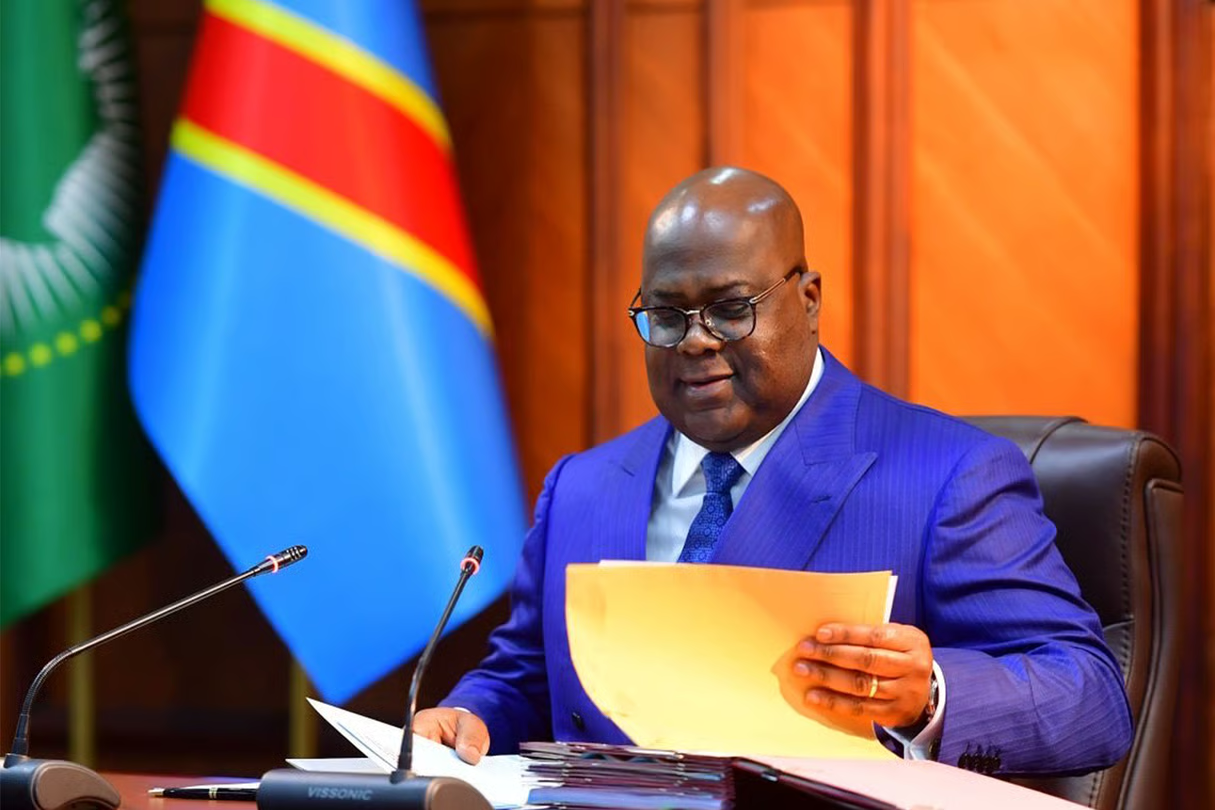
The political landscape in the Democratic Republic of Congo (DRC) is showing early signs of easing tensions, paving the way for a much-anticipated national dialogue. Observers note a shift in the air, as key stakeholders appear more willing to engage in constructive discussions.
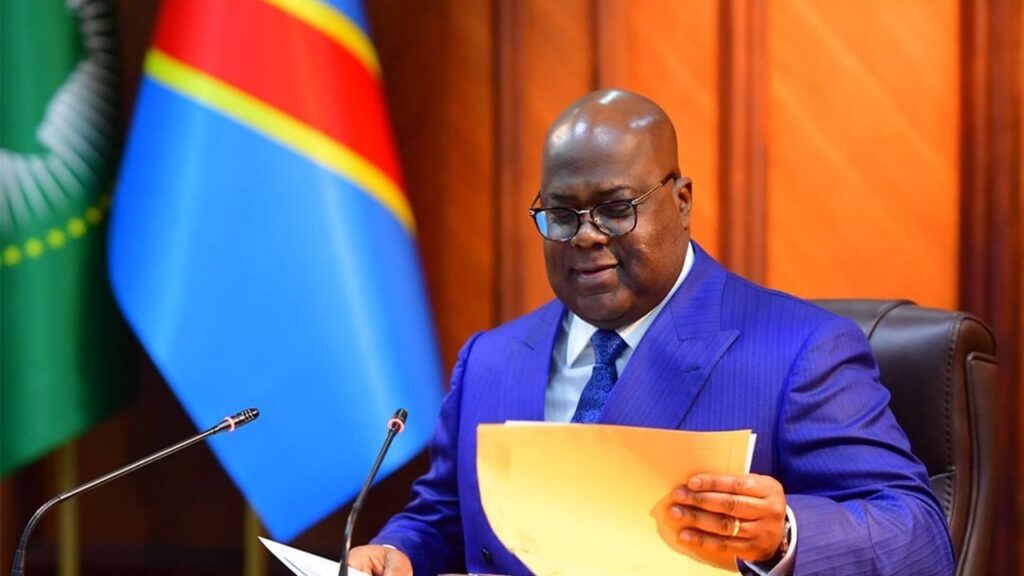
Over recent weeks, President Félix Tshisekedi has signaled openness to dialogue, a move that has sparked cautious optimism among political observers and citizens alike. The move comes after months of heightened political friction, with opposition figures and civil society groups pushing for greater inclusivity in governance.
Signs of progress in political climate
Several indicators suggest a gradual thawing of relations. High-level meetings between the presidency and opposition leaders have been reported, with both sides expressing a shared interest in resolving longstanding disputes through dialogue rather than confrontation. The government has also indicated its willingness to address concerns raised by civil society organizations, particularly regarding electoral transparency and governance reforms.
In a recent statement, President Tshisekedi emphasized the importance of unity and collective effort, stating that the nation’s challenges could only be overcome through inclusive participation. This rhetoric contrasts sharply with the more combative tone that has dominated political discourse in the past.
Challenges ahead for the national dialogue
Despite the positive signals, significant hurdles remain. The opposition remains deeply divided, with some factions skeptical about the government’s sincerity in addressing their demands. Meanwhile, civil society groups are demanding concrete commitments, including electoral reforms and anti-corruption measures, before they fully endorse the dialogue process.
The road to a successful national dialogue will require compromise, transparency, and a genuine commitment from all parties involved. The stakes are high, as the outcome could shape the DRC’s political future for years to come.
What to expect in the coming weeks
As preparations for the national dialogue gather momentum, several key developments are expected. The government is anticipated to unveil a detailed roadmap outlining the dialogue’s structure, participants, and objectives. Meanwhile, opposition leaders and civil society groups are likely to intensify their consultations to present a unified front during negotiations.
The international community, including regional organizations and diplomatic partners, is also closely monitoring the situation. Many have reiterated their support for a peaceful and inclusive dialogue, emphasizing the need for all stakeholders to prioritize the nation’s stability and development.
The coming weeks will be critical in determining whether the current political thaw translates into meaningful progress or remains just a fleeting moment of détente.