
The recent state visit of Gabon’s transitional leader, Brice Clotaire Oligui Nguema, to France unfolded against the backdrop of pomp and diplomacy, revealing the delicate balance between ceremonial grandeur and the harsh realities of international relations.
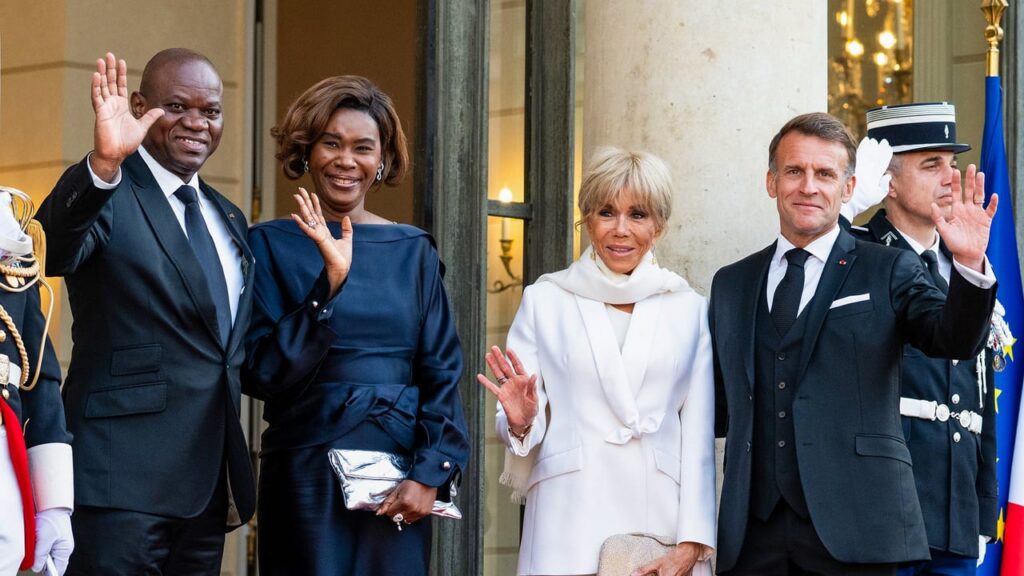
The Élysée Palace served as the stage for a carefully orchestrated event, with Emmanuel Macron and his wife, Brigitte, personally welcoming the Gabonese delegation. The state dinner that followed was more than a mere diplomatic tradition—it symbolized the strategic ties that bind the two nations, despite the political turbulence in Gabon over the past years.
a high-profile visit marked by symbolism
The visit, held on July 20, 2026, was not just about glamour and protocol. Behind the scenes, discussions revolved around economic cooperation, security partnerships, and development projects that could reshape the future of Gabon amid its ongoing transition. Oligui Nguema, who rose to power after the 2023 political upheaval, sought to reaffirm Gabon’s position on the global stage while navigating a complex geopolitical landscape.
The presence of Oligui Nguema and his spouse, Zita Oligui Nguema, alongside Macron and his wife, underscored the importance of personal diplomacy in modern statecraft. The event was a masterclass in soft power, where every gesture—from the handshake to the exchange of gifts—carried weight in the broader narrative of Franco-Gabonese relations.
balancing act: diplomacy meets domestic challenges
While the Élysée welcomed the Gabonese leader with open arms, the visit also highlighted the tensions that persist between the two countries. Gabon’s new leadership has faced scrutiny over its commitment to democratic principles, and France, a former colonial power, remains a key player in shaping the nation’s trajectory. The discussions in Paris were as much about reassurance as they were about partnership.
The agreements inked during the visit—ranging from trade deals to military cooperation—reflect a pragmatic approach. Gabon needs France’s expertise and investment to stabilize its economy, while France seeks to maintain its influence in a region where competition from other global players is intensifying.
what’s next for Gabon-France relations?
The visit may have concluded, but the work is far from over. The compromises struck in Paris will now face the test of implementation. For Oligui Nguema, the challenge is to translate diplomatic goodwill into tangible benefits for the Gabonese people. For Macron, the task is to ensure that France’s engagement in Gabon aligns with its broader African strategy without being perceived as interference.
The Élysée has made its stance clear: France remains committed to Gabon, but the path forward will require transparency, accountability, and a shared vision for the future. As the world watches, the Franco-Gabonese alliance stands at a crossroads—one where the echoes of the Paris summit will shape the destiny of a nation in transition.