Since the July 2023 coup, Niger has severed ties with Orano, the French conglomerate that dominated its uranium sector for over half a century. The nationalization of Somaïr, withdrawal of Imouraren permits, and new partnerships with Russia, China, and Western investors marked a strategic pivot. But do these changes translate into tangible economic benefits for Niamey? The answer remains clouded in opacity.
From colonial legacy to sovereign gamble: Niamey’s high-stakes uranium gamble
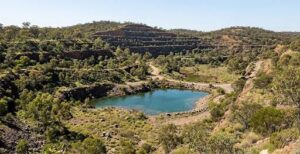
The rupture with Orano wasn’t just political—it was an operational reckoning. By mid-2025, Niamey had reclaimed control of Somaïr, Arlit’s historic uranium mine, after decades of French dominance. Yet reclaiming assets doesn’t ensure market success. Production has plummeted: from 4,116 tonnes in 2015 to a mere 962 tonnes in 2024, leaving the country with just one active mine. Recovery hinges on revitalizing infrastructure, logistics, and investor confidence—all while navigating a global uranium market transformed by geopolitical turbulence.
Why production decline spells trouble for Niger’s uranium ambitions
Orano’s exit left a void that won’t be filled overnight. Production slumps aren’t just operational setbacks—they’re revenue killers. Without expanded output, even lucrative contracts won’t compensate for lost volumes. Niger’s bold sovereignty drive risks staying hostage to its own underdeveloped mining ecosystem. The urgency is clear: revive mines, secure transport routes, and prove the country’s uranium can command premium prices.
Are Niger’s new uranium deals really better than Orano’s?
Price comparisons between Orano’s era and today’s market are tricky. Uranium isn’t traded like oil with a daily global benchmark. Contracts are custom-negotiated, blending spot prices and long-term formulas. In 2020, Niger reportedly earned around €83.75 per kilogram from Somaïr sales under Orano. By 2025, spot prices surged to $70.33/lb ($155/lb in 2026 terms), yet contract averages lagged at $54.70/lb. The math suggests higher global prices—but that doesn’t mean Niamey’s sales reflect them.
The Iran and Russia deals: smoke without mirrors?
Rumors swirled in 2024 and 2025 about Niger selling uranium to Iran (300 tonnes) and Russia (1,000 tonnes). Iran’s deal was allegedly valued at $56 million, while Russia’s cited $170 million for the same volume. Physically, convoys did leave Arlit—only to stall in Niamey. Neither government has confirmed these figures. The opacity raises red flags: Are these speculative negotiations or executed contracts? Without transparency, citizens and investors alike are left guessing.
New partners, same old questions: does diversity equal profit?
Russia and China aren’t just filling Orano’s void—they’re reshaping Niger’s uranium narrative. In December 2025, Timersoi National Uranium signed a cooperation deal with Rosatom’s Uranium One Group to explore new mines. China, too, eyed Arlit’s stockpiles. But do these partnerships guarantee better terms? Likely not—what they offer is leverage. By diversifying buyers, Niger can pit global players against each other, potentially driving up prices. The catch? This strategy demands flawless execution in a market rife with legal disputes and logistical hurdles.
The critical missing link: where does Niamey’s money go?
Even if Niger secures higher prices, the journey from mine to treasury is fraught with costs. Arbitration orders (like the 2025 CIRDI ruling blocking Somaïr uranium sales) and Orano’s legal challenges tie up assets. Meanwhile, production stagnates, and foreign investors hesitate without ironclad guarantees. The 2026 creation of Teloua Safeguarding Uranium Mining Company signals progress, but will it outpace bureaucratic inertia?
Niger’s uranium strategy: sovereignty or speculative gamble?
The paradox is stark: Niger wants to sell uranium at maximum value, but lacks the framework to do so. Price hikes alone won’t fix decaying mines or untested logistics. Western financing (e.g., the $414 million U.S. approval for Canada’s Dasa project) hints at cautious optimism, but results are years away. For now, the only certainty is uncertainty—contracts murmured in the shadows, prices fluctuating with geopolitics, and citizens waiting for tangible dividends from their mineral wealth.
The real test isn’t who buys Niger’s uranium, but whether Niamey can translate strategic independence into economic prosperity. So far, the ledger remains unsettled.