From Élysée promise to economic impact: Benin’s 65.5 billion FCFA lifeline
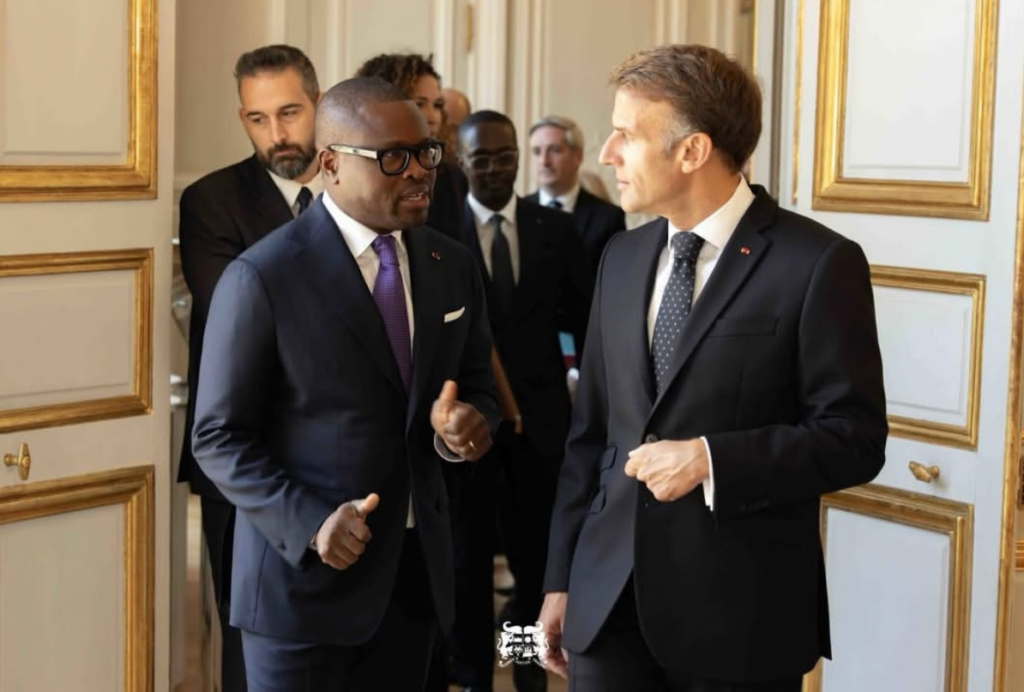
In a landmark ceremony at the Élysée Palace, Benin and France have cemented financial commitments totaling 65.5 billion West African CFA francs, designed to catalyze critical sectors that underpin the nation’s progress. The landmark accord—unveiled against the backdrop of high-level diplomatic talks—directly targets electricity, agriculture, and healthcare, three pillars whose development will determine Benin’s economic trajectory for years to come.
Energy infrastructure takes center stage
Electricity remains the backbone of Benin’s growth ambitions. Years of underinvestment and recurrent supply bottlenecks have stifled both household comfort and business expansion. The newly secured financing aims to fast-track power generation projects, upgrade transmission networks, and enhance grid connectivity across underserved regions.
For families, reliable electricity means steady lighting, refrigeration, and digital access—essential services that elevate living standards. For businesses, it translates into operational continuity, reduced production costs, and new opportunities in manufacturing and services. Public institutions, including hospitals and schools, will also gain from enhanced energy resilience.
Long-term benefits for households and SMEs
The infusion of capital is expected to reduce energy poverty, especially in rural and peri-urban areas where electrification lags far behind urban centers. Small and medium-sized enterprises (SMEs) operating in agriculture and agro-processing stand to gain immediate relief from costly diesel generators. Over time, expanded access to electricity is projected to increase productivity and open doors to value-added industries, from processing cassava and palm oil to textile manufacturing.
Agriculture gets a productivity boost
As the country’s largest employer, agriculture directly supports millions of livelihoods. Benin’s farming sector, however, faces persistent challenges: low mechanization, limited access to finance, and vulnerability to climate shocks. The French-backed funding package targets precisely these pain points, with a focus on modernizing production, improving irrigation systems, and strengthening post-harvest handling.
By upgrading rural infrastructure and introducing climate-smart practices, the initiative aims to raise yields and income for smallholder farmers. Enhanced agricultural performance also bolsters food security, reducing dependence on imports and stabilizing domestic prices—a direct benefit for urban consumers.
Creating jobs in rural communities
Investments in mechanized farming equipment and rural electrification will spur local job creation in agro-processing and input supply chains. Women, who form a significant portion of the agricultural workforce, are expected to be key beneficiaries through targeted support programs and access to training in sustainable farming techniques.
Healthcare transformation through targeted investments
The accord allocates substantial resources to Benin’s health system, which has struggled with chronic underfunding and shortages of medical supplies. The new financing targets three priorities: bolstering primary healthcare clinics, expanding rural hospital networks, and procuring essential medicines and diagnostic equipment.
A stronger healthcare system means shorter wait times, improved maternal and child health outcomes, and reduced preventable illnesses. These improvements not only save lives but also reduce lost productivity due to sickness, contributing to overall economic stability.
Protecting families and driving economic resilience
Healthier citizens are more productive workers. Investments in disease prevention, nutrition programs, and maternal health directly reduce absenteeism in schools and workplaces. Over the long term, a robust health infrastructure enhances Benin’s appeal as a destination for foreign direct investment in healthcare and related sectors.
Beyond money: a partnership built on shared goals
The 65.5 billion FCFA commitment is more than a financial injection—it reflects a strategic alignment between Benin’s national priorities and France’s development cooperation agenda. Both countries have emphasized transparency, accountability, and measurable outcomes in project execution. Regular joint audits and performance reviews are expected to ensure funds are used efficiently and reach the communities they are meant to serve.
This model of partnership—grounded in mutual respect and focused on tangible results—sets a new benchmark for international cooperation in West Africa. It demonstrates how targeted financing can drive systemic change when aligned with clear national strategies.
Real impact hinges on execution
While the announcement marks a pivotal moment, the true test lies in implementation. Success will be measured not in headlines, but in tangible improvements: whether rural villages gain 24/7 power, whether farmers double their crop yields, and whether hospital wait times shrink across the country.
Benin’s government has pledged to fast-track project approvals and streamline procurement processes to avoid bureaucratic delays. Ongoing community engagement and monitoring will be critical to ensuring that benefits reach the intended beneficiaries—especially women, youth, and marginalized groups.
Looking ahead: a more resilient Benin in sight
The Élysée summit has set the stage for a transformative chapter in Benin’s development journey. With 65.5 billion FCFA flowing into electricity, agriculture, and healthcare, the country stands on the cusp of a new era—one defined by greater energy independence, agricultural self-sufficiency, and healthier citizens.
These improvements are not just benchmarks of progress; they are the foundations upon which Benin can build a more inclusive and resilient economy. As projects break ground and infrastructure begins to take shape, the enduring question will be: how quickly and equitably will the promised benefits materialize for the people who need them most?