From Crisis to Opportunity: How a Diplomatic Spat Rerouted Billions in Trade
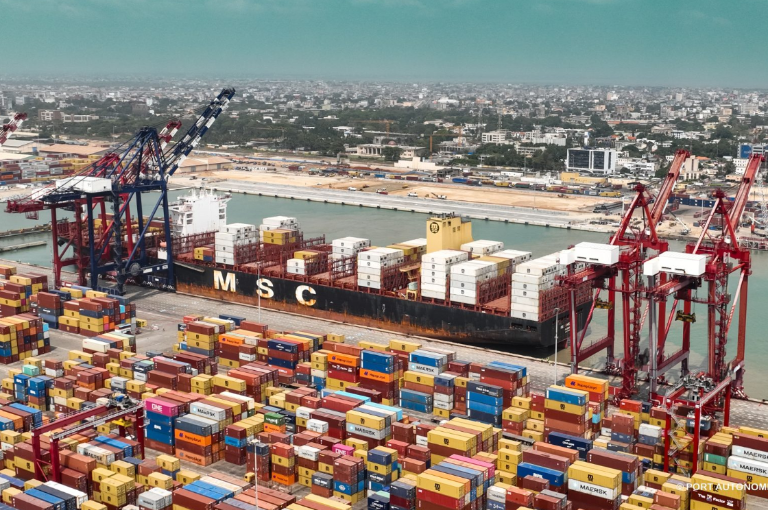
The breakdown of trade routes between Benin and Niger in mid-2023 didn’t just disrupt borders—it pushed the Port of Cotonou toward a new commercial destiny. Nearly one million tonnes of goods, primarily fuel and petroleum products, now move annually from Cotonou’s docks toward landlocked Burkina Faso, transforming the city’s role from regional hub to continental game-changer.
When One Door Slams, New Windows Open
The rupture came in July 2023. After political tensions flared between Niamey and Cotonou, Benin shut its land borders with Niger. Overnight, Cotonou lost its dominant corridor to the Sahel. But rather than stall, the port accelerated its pivot to Burkina Faso, leveraging existing road links and upgraded terminals to absorb redirected cargo.
By 2025, Burkina Faso accounted for 16% of Cotonou’s total transit traffic—nearly 1 million tonnes. For an economy hungry for energy and consumer goods, Cotonou became the nearest reliable gateway to the Atlantic.
The Fuel that Fueled the Shift
Hydrocarbons sit at the heart of the transformation. With limited domestic refining capacity and long land routes from Abidjan or Lomé, Burkina Faso increasingly relies on Cotonou’s fuel imports. The port’s storage tanks now hum with diesel and gasoline destined for the Burkinabè market, creating a steady stream of high-volume cargo.
This shift wasn’t accidental. Port officials had already invested in upgraded container yards and digitalized truck-tracking systems, cutting clearance times by 22% over two years. The result? Shippers rerouted consignments faster than before, turning Cotonou into a preferred stopover for bulk fuel tankers.
Numbers Don’t Lie: Cotonou’s Comeback Story
The first half of 2026 tells a story of resilience. Total throughput hit 7.79 million tonnes—up 16.6% from the same period in 2025. But the real headline is the surge in transshipment, which rocketed 152% to over half a million tonnes. That explosion reflects growing traffic to Burkina Faso, even if exact figures remain unpublished.
Meanwhile, exports jumped 33%, driven partly by Burkinabè demand for Beninese products like cement and processed foods. Imports remained flat, proving Cotonou isn’t growing by importing more—it’s growing by redistributing more.
A New Hub for a Landlocked Giant
For Burkina Faso, the stakes are clear. With security threats along several corridors and political frictions rising, diversification is no longer optional—it’s survival. Cotonou offers proximity, modern infrastructure, and a corridor that’s still operational despite regional turbulence.
Burkinabè logistics firms now operate dedicated fuel depots adjacent to the port, slashing delivery times from port gates to Ouagadougou to under 48 hours. Trucking fleets have expanded, adding over 300 new long-haul rigs since 2024 to meet demand.
Beyond Fuel: A Broader Trade Revival
While hydrocarbons dominate the narrative, other goods are catching up. Agricultural machinery bound for cotton farms in Koudougou, construction materials for housing projects in Bobo-Dioulasso, and pharmaceuticals for rural clinics all now transit Cotonou in growing volumes. Analysts project a 40% increase in non-fuel transit to Burkina Faso by 2027.
Niger Isn’t Out of the Picture—Yet
The story isn’t a zero-sum game. Despite border closures, Niger still uses Cotonou—just differently. Crude oil shipments continue to flow through the port. In August 2026, a million-barrel cargo left Sèmè-Kpodji terminal destined for European refineries, proving old ties die hard.
Cotonou now operates two parallel systems: one for Burkina Faso’s fast-growing import surge and another for Niger’s strategic oil exports. The dual role may be messy, but it’s lucrative—and necessary for the port’s financial stability.
What Comes Next: Durability or Diversion?
The million-tonne question is whether this Burkinabè boom will last. Early 2026 numbers show Cotonou’s total volume up 52% compared to 2023—before the Niger crisis—suggesting lasting gains, not temporary fixes.
Yet risks remain: political instability in Burkina Faso, fluctuating fuel prices, and competition from Tema Port in Ghana. For Cotonou to cement its new role, it must lock in preferential tariffs for Burkinabè shippers and expand storage capacity by at least 30% over the next 18 months.
The port has already broken free from its historic dependence on Niger. Whether Burkina Faso replaces the lost corridor entirely—or simply shares the stage—may well define West Africa’s trade landscape for years to come.