Civilians bear the brunt of coordinated strikes in Burkina Faso
On September 26, coordinated assaults by armed groups rocked two key regions of Burkina Faso, leaving a trail of devastation that stretches far beyond military targets. In the southeastern province of Koulpélogo, a soldier was killed during an attack on a military outpost in Lalgaye, while militants in the northern city of Ouahigouya destroyed at least one military armored vehicle. These simultaneous strikes, later claimed by the Group for the Support of Islam and Muslims (JNIM), demonstrate the relentless pressure jihadist forces exert on the country’s already strained security apparatus.
Lalgaye: a brutal hit on a vulnerable military post
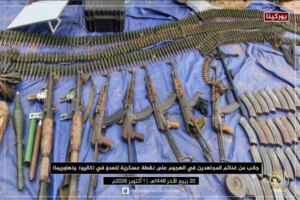
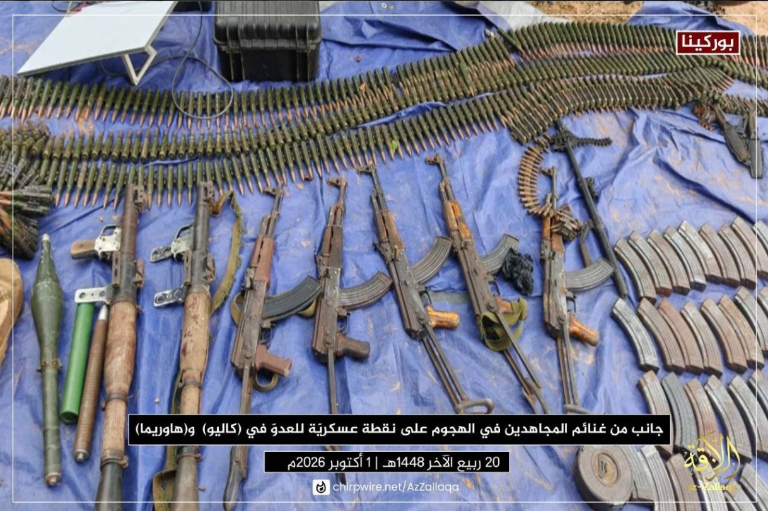
The attack in Lalgaye unfolded with brutal efficiency, as a heavily armed militant faction assaulted the army’s isolated checkpoint near Ouargaye. Despite a fierce counterattack from government forces, the attackers overwhelmed the defenders, killing one soldier before looting weapons, ammunition, and essential equipment. This highly effective and repeated modus operandi is part of a deliberate strategy to degrade local security coverage while replenishing militant stockpiles with captured supplies.
The human and material toll
The loss of military life highlights the human cost of Burkina Faso’s protracted conflict with jihadist factions. More than just casualties, the raid exposed the vulnerability of isolated outposts that serve as critical links in the country’s defense framework. By targeting these installations, militants aim to destabilize rural security, forcing government forces to concentrate in urban strongholds and leaving vast areas unprotected.
Ouahigouya: coordinated strikes threaten regional stability
While the assault in Lalgaye unfolded, northern Burkina Faso faced its own coordinated offensive. Around the strategic city of Ouahigouya—regional hub of the Yatenga province—two army positions and civilian auxiliary sites came under sustained fire. Though full casualty figures remain unclear, the material damage confirms a disturbing trend: at least one military vehicle was destroyed by heavy weaponry or an improvised explosive device (IED). The synchronised nature of these attacks, carried out hundreds of kilometers apart in a single day, underscores the militants’ operational resilience and strategic planning capabilities.
A clear pattern emerges
The strategic importance of Ouahigouya cannot be overstated. As a key transit corridor connecting Burkina Faso’s eastern regions with West African neighbors, its security is vital to national and regional stability. The attacks there signal a deliberate attempt to disrupt trade and movement across the Sahel, compounding the already severe toll on civilians and local economies.
What these attacks reveal about Burkina Faso’s security landscape
The simultaneous assaults are more than isolated incidents—they are part of a calculated campaign designed to erode state presence in rural areas. Analysts point to three key objectives behind this pattern:
- Material attrition: Capturing weapons, vehicles, and communications gear reduces reliance on external supply chains.
- Territorial isolation: Forcing military units to retreat to urban centers creates dangerous security vacuums in the countryside.
- Psychological warfare: Delayed claims of responsibility, such as the one issued after these strikes, sustain a climate of fear that contradicts official narratives of progress.
The human face of Burkina Faso’s security war
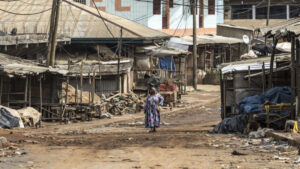
While state forces regroup and re-strategize, civilians in Koulpélogo and Yatenga provinces continue to live under constant threat. Families face frequent displacements, markets struggle to function, and farmers cannot tend their fields without fear of ambush or extortion. The reprisal operations launched by the Burkinabe armed forces provide some relief, but the challenge remains daunting—especially as militants adapt by using roadside bombs and hit-and-run tactics that exploit the vast, poorly patrolled terrain.
With each attack, the balance of power shifts further from civilian safety and economic stability toward sustained insecurity. Until a more robust and adaptive security strategy is implemented, the communities caught in the crossfire will continue to pay the heaviest price.