The hidden cost of opacity: why Niger’s oil scandal threatens economic stability
The discovery of financial irregularities totaling 7 billion FCFA in just two audited files has sent shockwaves through Niger’s petroleum sector. Yet these figures represent only the tip of the iceberg. With nearly a hundred additional documents awaiting scrutiny, the implications for the nation’s economy—and its citizens—could be devastating. This isn’t just an accounting anomaly; it’s a systemic failure that risks destabilizing a sector critical to Niger’s development.
When investigations hit power networks, transparency takes a backseat
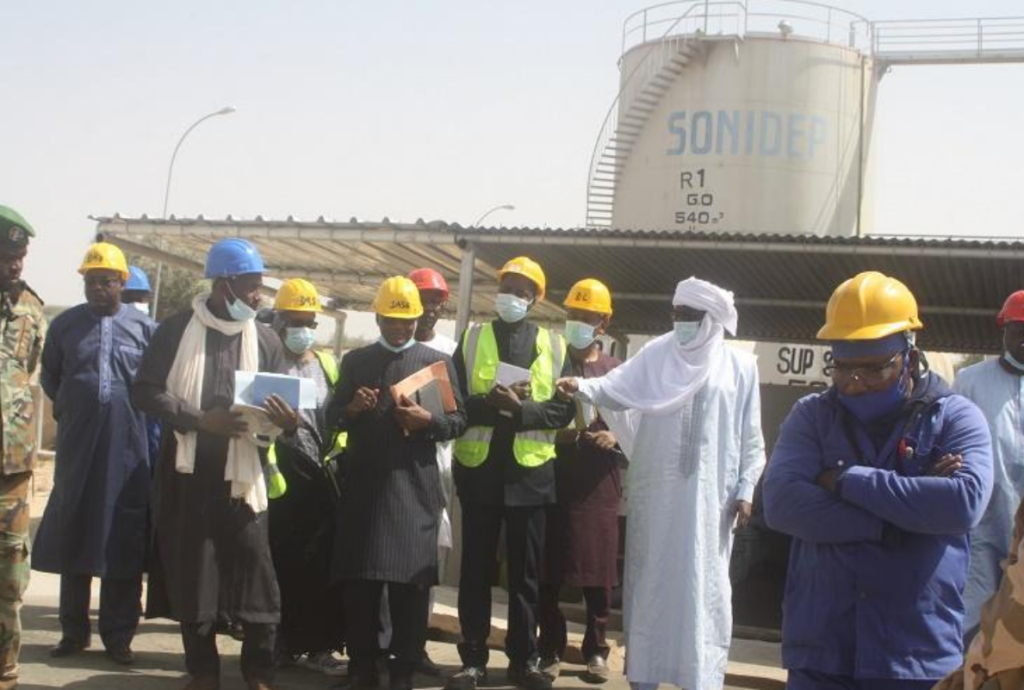
As auditors from the Inspectorate General of State (IGE) delved deeper into SONIDEP’s financial records, they uncovered discrepancies that implicated influential figures within the ruling establishment. Sources familiar with the probe reveal that pressure mounted from the highest levels when the trail began exposing networks of protection and self-interest. The result? An abrupt halt to the IGE’s mission, leaving unanswered questions about who benefits from this abrupt closure.
This pattern of interrupted audits isn’t new. In 2024, Minister Barké spent nearly a year in detention after initiating an audit of SORAZ-SONIDEP relations—only to see the process derailed. The parallels today are striking: those leading transparency efforts find themselves sidelined, while financial discrepancies of staggering proportions remain unaddressed.
Diplomatic reshuffles: a shield for the politically exposed?
The sudden posting of Issaka Gado—former SORAZ chairman and brother of ex-Prime Minister Ali Mahamane Lamine Zeine—as Niger’s permanent representative to Djibouti has raised eyebrows. Coming amid intensified scrutiny of SONIDEP’s finances, the timing suggests more than mere administrative convenience. Did this move aim to distance a key figure from the unfolding scandal, or was it a preemptive strike to protect entrenched interests?
Gado’s deep involvement in SORAZ-SONIDEP dealings makes his reassignment particularly noteworthy. His tenure coincided with the 2024 audit that resulted in the detention of both the minister and himself, underscoring the high stakes of financial oversight in Niger’s oil sector.
Failed audits and lost credibility: a pattern of resistance
Dr. Sahabi Oumarou’s attempt to restart the SORAZ-SONIDEP audit met a similar fate. After announcing renewed efforts, he was removed from his position, further reinforcing suspicions of institutional resistance to genuine reform. Why do commendable initiatives to bring transparency to oil finances consistently stall? The answer may lie in the political and economic networks woven around these resources.
Even the proposal to engage Mazars, an international audit firm, remains stalled nearly eight months after it was formally tabled. The contract’s unexplained delay raises critical questions: Is transparency truly a priority, or is it being weaponized selectively?
UN corridors and old-regime loyalties: the global dimension of a domestic crisis
Minister Aliou Daouda’s recent remarks about pro-regime influencers operating within UN corridors add another layer to this saga. The timing of Gado’s diplomatic posting to Djibouti now appears less coincidental. Could international posts be serving as safe havens for individuals entangled in domestic scandals?
While no direct link has been established between the appointment and the audit interruptions, the coincidence fuels concerns that Niger’s oil crisis is no longer confined to Niamey. The battle over resources has gone global.
From 7 billion FCFA to national instability: the broader stakes
SONIDEP isn’t just another state-owned enterprise—it’s a linchpin of Niger’s economic future. The 7 billion FCFA discrepancy uncovered so far is a red flag, but the real danger lies in the erosion of public trust. When audits falter, when ministers are sidelined, and when diplomats are reassigned under questionable circumstances, the message is clear: transparency is negotiable for the powerful.
The stakes extend beyond financial losses. Niger’s citizens deserve answers about how their resources are managed. Without independent oversight, the credibility of the state’s anti-corruption rhetoric collapses. This scandal could redefine political alliances, expose governing networks, and force a reckoning with the true cost of unchecked power in the oil sector.
What lies ahead: accountability or obfuscation?
The questions are urgent and unavoidable:
- Why was the IGE’s mission suspended at the exact moment irregularities reached 7 billion FCFA?
- Who stands to gain from the stalled audits, and who is being protected?
- Does Mazars’ international audit still have the green light, and why has it taken eight months to move forward?
- How deeply do political networks extend into Niger’s oil governance—and what will it take to dismantle them?
The answers will determine whether Niger’s petroleum sector becomes a model of accountability or another cautionary tale of how resources turn into chains of corruption.
One thing is certain: this saga is far from over. Every stalling tactic, every reshuffle, and every unanswered audit file only deepens the crisis—and fuels public distrust.