Niger’s fuel crisis exposes gaps in energy sovereignty despite oil production
The Nigerien government’s claims of energy independence ring hollow as persistent fuel shortages reveal deep-seated failures in oil management. Despite producing over 110,000 barrels of crude daily and operating the Zinder refinery (SORAZ), ordinary citizens continue to face chronic gasoline and diesel shortages, disrupting daily life and economic activity.
From crude exports to empty pumps: the paradox of Niger’s oil sector
Since 2011, Niger has exported millions of barrels of oil while relying on foreign imports to meet domestic fuel demand. Official data from 2024 to mid-2026 shows alarming shortages: gasoline deficits surged from 47.25 million liters in 2024 to 196.62 million liters in the first eight months of 2026, while diesel shortages reached 52.60 million liters in the same period. These figures highlight a structural imbalance between production capabilities and national supply chains.
The Nigerien oil sector comprises four critical components production, refining, storage, and distribution but systemic inefficiencies in one or more stages are undermining the entire chain. While the SORAZ refinery operates, its output falls short of covering domestic needs, leaving motorists stranded and businesses paralyzed. The disparity between export volumes and local availability underscores the regime’s inability to translate oil wealth into energy security for its people.
Algeria’s role raises questions on energy cooperation and national priorities
In response to the crisis, Niger signed hydrocarbon cooperation agreements with Algeria in March 2026, including a June deal involving the National Hydrocarbons Company of Niger (SONIDEP) and Algerian subsidiaries of Sonatrach. These accords aim to alleviate fuel shortages, but they also raise pressing questions about transparency and sovereignty.
Key concerns include the financial commitments Niger has made, the volumes of fuel pledged, pricing terms, and any long-term obligations tied to these imports. With the country exporting its own crude while importing refined products, citizens deserve clarity on why domestic resources alone cannot sustain the national supply. Sovereignty in energy policy should not be reduced to diplomatic agreements but demonstrated through reliable, cost-effective, and locally sourced solutions.
Financial chaos in Niger’s oil sector deepens crisis
On October 12, 2026, authorities announced the creation of a technical committee to address supply chain disruptions and cross-debts among SONIDEP, SORAZ, the Niger Electricity Company (NIGELEC), and the Chinese petroleum firm CNPCNP. The goal? A three-month plan to restructure the sector’s financial liabilities. Yet this admission of financial mismanagement further erodes public trust in the regime’s handling of a strategic resource.
The committee’s formation hints at systemic issues: delayed payments to refineries, opaque transactions, and a lack of fiscal discipline have left Niger vulnerable. Without publishing detailed audits or assigning accountability, the government risks perpetuating inefficiency under the guise of emergency measures.
Unpaid debts and stalled supply chains
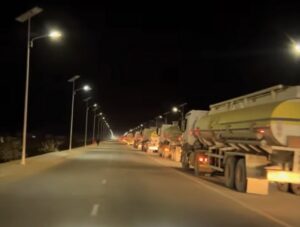
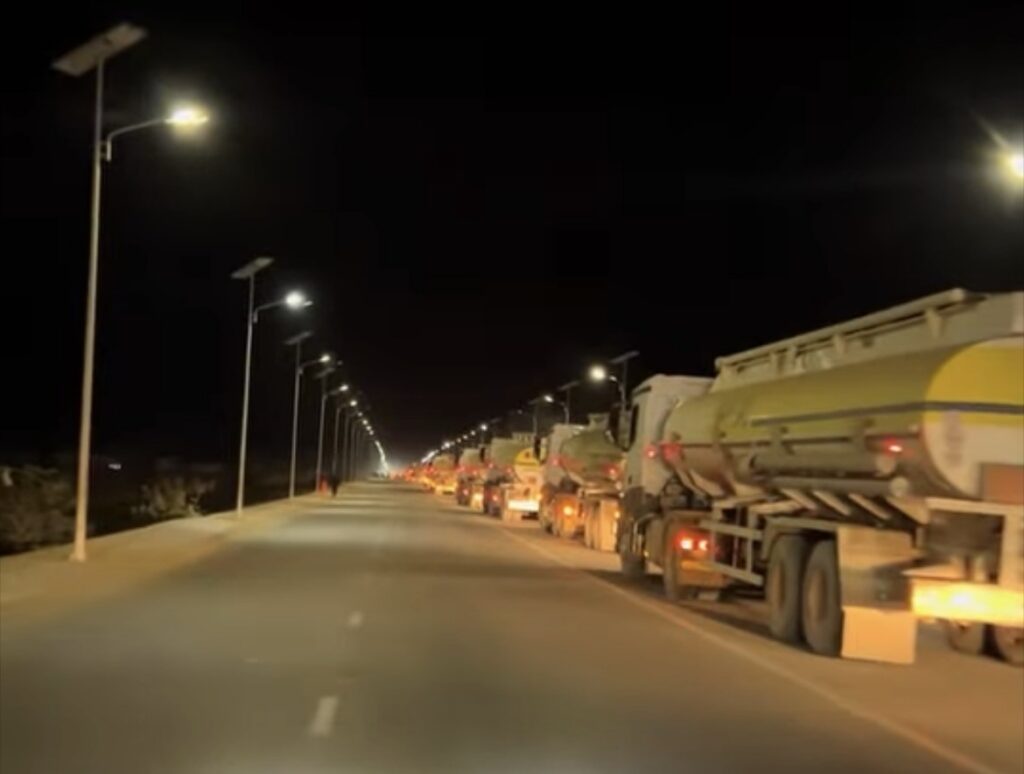
The 53 tankers carrying 1.65 million liters of Algerian fuel that arrived in Niamey on November 1, 2026, temporarily eased pressure on pumps. However, this band-aid solution does nothing to address the root causes of the crisis. How did a sector once touted as a cornerstone of national autonomy accumulate such crippling debts and operational failures?
The human cost of energy mismanagement
The consequences of Niger’s fuel crisis extend far beyond policy debates. Drivers queue for hours in vain, small businesses hemorrhage revenue, and artisans relying on generators lose critical operating hours. For a landlocked nation where road transport underpins 80% of trade, disrupted fuel supply equates to stalled commerce, delayed harvests, and shrinking household incomes.
These hardships contradict the junta’s narrative of energy sovereignty. When oil production fails to translate into accessible fuel, the regime’s credibility crumbles. The public is left wondering: What is the value of mineral wealth if it cannot guarantee energy security for those who produce it?
Tiani’s regime must move beyond rhetoric to deliver results
General Abdourahamane Tiani has positioned energy independence as a central pillar of his leadership since 2023. Yet the fuel crisis exposes a glaring disconnect between rhetoric and reality. The regime’s response emergency imports, opaque agreements, and vague financial fixes lacks the transparency and systemic overhaul required to restore stability.
True energy sovereignty demands more than diplomatic deals or export targets. It requires transparent governance, efficient distribution networks, and policies that prioritize domestic needs over foreign partnerships. Until Nigerians see tangible improvements in fuel availability, the Tiani administration’s claims will ring increasingly hollow.
By Rose Njoya — Journalist