As the rainy season approaches in Niger, government authorities are issuing urgent warnings about the potential hazards expected during the 2026 hivernage. The Operational Centre for Monitoring, Alerting, and Crisis Management (COVACC), operating under the Ministry of the Interior, has sounded the alarm for communities across the country’s agropastoral belt, particularly livestock farmers who face significant threats from early-season storms.
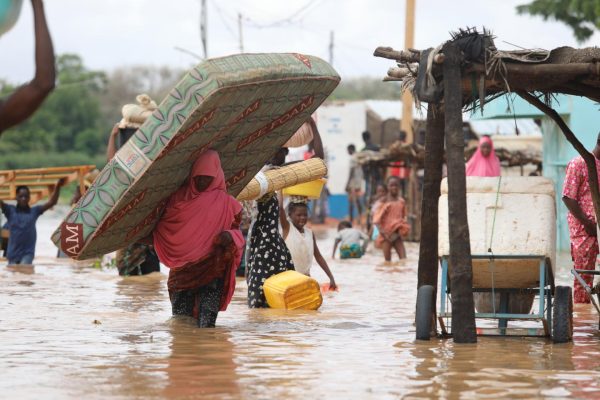
On May 11, 2026, COVACC held a national briefing highlighting that meteorological forecasts predict a rainy season ranging from normal to above-average in intensity. The outlook includes strong winds capable of causing livestock losses and infrastructure damage across vulnerable regions. While these rains could benefit crops, they also pose serious risks to pastoral livelihoods.
why the first storms of 2026 are a growing concern
Historically, the onset of the rainy season in Niger brings not only relief from drought but also destructive weather patterns. COVACC officials emphasize that weakened livestock, already strained by the lean season, will be especially susceptible to injury or death during sudden windstorms. These early-season events often topple animal shelters, damage homes built with traditional banco materials, and disrupt public services.
early damage reported across multiple regions
By mid-May, the General Directorate of Civil Protection (DGPC) had documented widespread damage. In Allakaye, a town in Bouza Department, Tahoua Region, high winds ripped apart a three-classroom school block, destroyed a mud-built classroom, and damaged a wall at a local health centre. Meanwhile, in Dosso Region, the commune of Dankassari saw two classrooms, a storage warehouse, six street lamps, and five electrical poles demolished by severe weather.
authorities urge proactive disaster preparedness
COVACC is urging all communities—especially pastoralists—to heed official weather updates and early warnings. Farmers are advised to secure livestock before storms hit and avoid grazing animals in dry riverbeds (koris), which can quickly overflow during heavy rainfall. The centre also stresses the importance of reporting incidents immediately to local authorities and steering clear of flash flood zones.
pastoral economy at stake during the 2026 rainy season
In Niger, where livestock sustains millions of households, each rainy season is a double-edged sword. While fresh pasture growth boosts animal health, unpredictable weather and climate extremes threaten years of hard-earned progress. With security and economic challenges already weighing on rural families, strengthening disaster preparedness has become a national priority.
As the heart of the 2026 rainy season nears, COVACC’s message is unambiguous: prevention is the best defense. For Niger’s pastoral communities, this season could either restore hope or deepen hardship—depending on how well risks are managed.