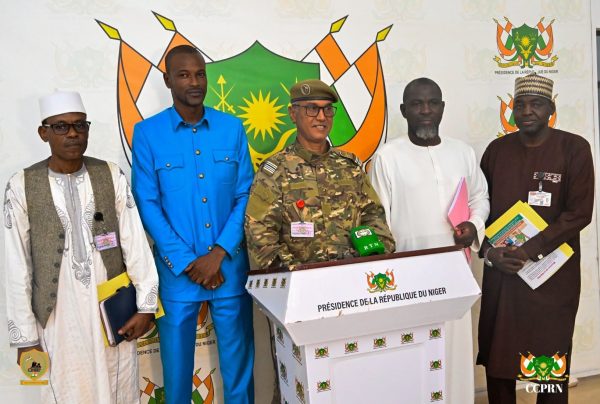
Niger’s capital, Niamey, is witnessing a historic financial crackdown as corrupt practices and tax evasion face unprecedented consequences. On August 5, 2026, the presidential palace hosted a high-stakes meeting, where officials reviewed the first major financial report of the sweeping anti-graft initiative, Operation Clean Hands, spearheaded by the COLDEFF—a specialized anti-corruption authority tasked with reclaiming embezzled public funds.
The numbers spoke volumes: over 74 billion West African CFA francs have been recovered and deposited directly into the national treasury. This staggering sum reflects a dramatic surge in enforcement, with a 12 billion FCFA increase in recoveries compared to the previous year. Yet, these figures only scratch the surface, as they exclude seized real estate, vehicle fleets, and other movable assets confiscated from delinquent taxpayers.
Financial penalties over incarceration: the CNSP’s strategic approach
During the meeting, the Head of State commended the COLDEFF’s relentless efforts while reaffirming the government’s firm stance against financial impropriety. The official stance is clear: deterrence through fiscal punishment, not punitive justice. As articulated by leadership, the strategy prioritizes economic penalties over imprisonment, aiming to restore public trust without resorting to drastic measures.
« Our mission is not to fill the nation’s prisons. The punishment here is financial. We strike where it hurts most—the wallet—to heal the wounds of our country. »
The government’s pragmatic approach also seeks to maintain stability in international relations, particularly during economic downturns. All accused individuals are urged to repay every last franc, with assurances that cooperation will preserve their dignity. Yet, a pressing question lingers in Niamey’s streets and diplomatic circles alike: how will these recovered billions be deployed? In a nation grappling with climate challenges and developmental hurdles, Nigeriens are eager to see tangible benefits from these funds. Meanwhile, the COLDEFF vows to intensify its pursuit of illicit wealth and corrupt practices.