N’Djamena’s digital dilemma: social media’s impact on young girls
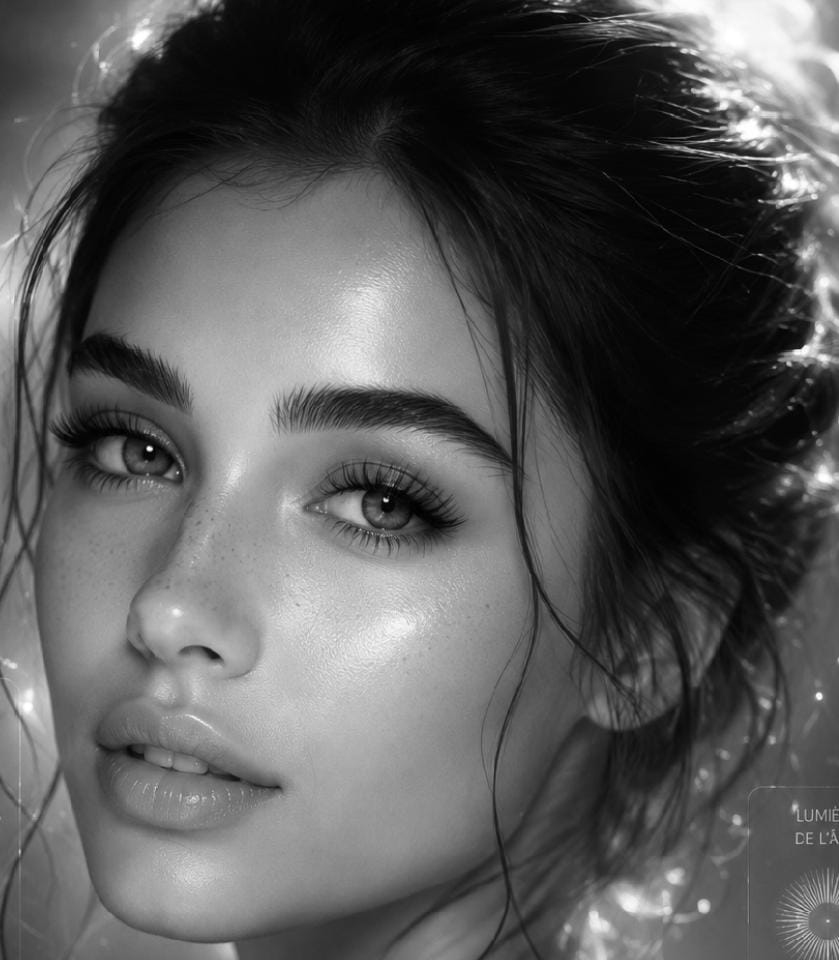
In N’Djamena, the escalating social media pressure on young girls’ appearances generates widespread frustration and concerning behaviors. Digital beauty has become an obsession, dangerously eroding self-esteem.
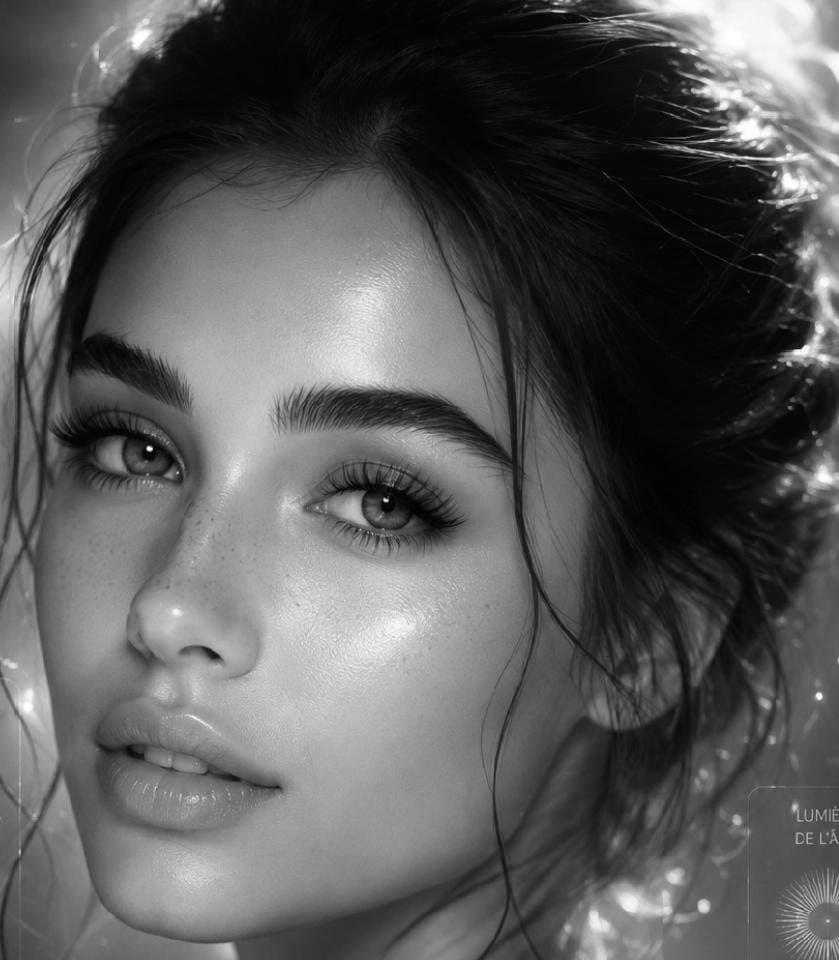
The pervasive influence of visual content on our daily lives is undeniable. Platforms like TikTok, Instagram, and Facebook showcase a curated reality, where filters enhance features, applications sculpt figures, and posts depict seemingly flawless existences. This constant exposure leads countless young girls to scrutinize, compare, and often question their own worth.
Across N’Djamena, a subtle yet powerful aesthetic pressure is taking hold. The traditional mirror no longer suffices; the imperative is now to conform to the beauty ideals manufactured by social media. Achieving “perfect skin,” fashionable attire, flawless makeup, or an “ideal” physique has evolved into a virtual social requirement for online acceptance and admiration.
What is particularly concerning is the increasingly younger demographic succumbing to this pressure. Many spend extensive time editing their photos before sharing them. Others delete images if they fail to garner sufficient “likes.” Gradually, their self-worth becomes intertwined with the digital validation received from others.
Social media platforms have reshaped beauty into an unending contest. Each post implicitly urges: be more beautiful, more stylish, more conspicuous. This relentless pursuit of an idealized appearance fosters unvoiced frustrations, leaving many young girls feeling perpetually inadequate.
In some instances, this relentless pressure escalates into alarming behaviors: the overuse of skin-lightening products, significant expenditures on clothing and cosmetics despite limited resources, and an unhealthy obsession with achieving a flawless body. The smartphone, in these cases, transforms into a primary arena for seeking validation and recognition.
However, beneath these flawless images often lie elaborate illusions. Filters digitally alter faces, videos are meticulously staged, and even the influencers themselves frequently contend with immense pressure. This underlying reality, however, seldom appears on screen. What most observers perceive is merely the polished final product: an artificial beauty marketed as inherent.
The inherent peril resides not in social media platforms themselves, but in their profound influence on individual mindsets. An entire generation is at risk of internalizing the belief that their worth is primarily determined by their physical appearance, rather than their abilities, intellect, or unique personality.
It is crucial to urgently re-educate young girls that beauty should not serve as a psychological confinement. While social media trends come and go, self-confidence remains an indispensable asset. A society that diminishes its daughters to mere images inevitably overlooks their profound and genuine potential.