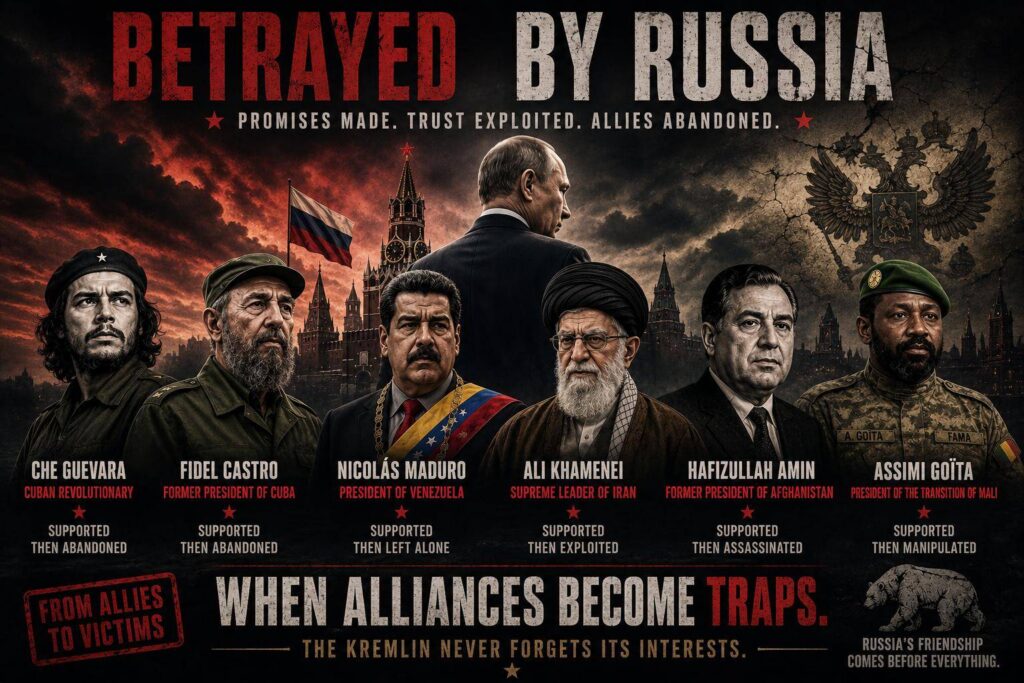
Across the globe, the partners Russia once backed are now grappling with deepening crises. Yet, one diplomatic pattern stands out: Moscow’s striking silence. Far from the image of an unwavering protector quick to intervene, the Kremlin has turned calculated muteness into a policy whenever its allies face turbulence. Here’s how this silence serves as a deliberate strategic choice.
the pattern of disappearing support
From military setbacks and internal political turmoil to mass protests among its allies, the Russian response follows a predictable script. Instead of fiery declarations or urgent political backing, Moscow’s first move is silence—an almost surgical absence of engagement that contrasts sharply with its usual assertive diplomacy.
wait and observe: the kremlin’s pragmatic approach
For foreign policy analysts, this reticence is no act of weakness but a cold calculation. When an ally falters, the Kremlin adopts a ‘wait and observe’ stance. The goal? To avoid tarnishing Russia’s own prestige and credibility by tying itself to a failing regime or cause.
By staying silent, Moscow gains flexibility. If the ally recovers, support can resume as if nothing happened. But if the regime collapses, the initial silence protects Russia from sinking with it—and allows for quiet backchannel talks with incoming authorities.
silence as subtle disapproval
This muteness carries weight. While Western capitals often issue public condemnations or calls for restraint, Russia’s silence speaks volumes. When an ally crosses a red line, mishandles a crisis, or stumbles into a dead end without Moscow’s approval, the absence of a response serves as a quiet rebuke—a signal that the partner must bear the consequences alone, without exposing alliance fractures to the world.
alliances built on cold transactions
This approach reveals the true nature of Russia’s partnerships: strictly transactional. Moscow only intervenes—verbally or otherwise—when its core interests or strategic positions are at stake. If the crisis threatens only a local government, the Kremlin prefers to conserve its political capital and shift international pressure onto its ally’s shoulders.
While official diplomacy maintains its media fast, Russia’s narrative shifts to alternative channels. State media and influence networks flood the airwaves, deflecting blame or accusing hidden Western hands, creating a smokescreen as the Kremlin monitors the situation from afar.
a strategic retreat at the first sign of trouble
Recent diplomatic history shows that Russia’s support is often a fair-weather garment. When storms gather and political costs rise, Moscow retreats behind a wall of silence. Its allies learn a harsh geopolitical lesson: in times of danger, solidarity is a luxury few can afford.