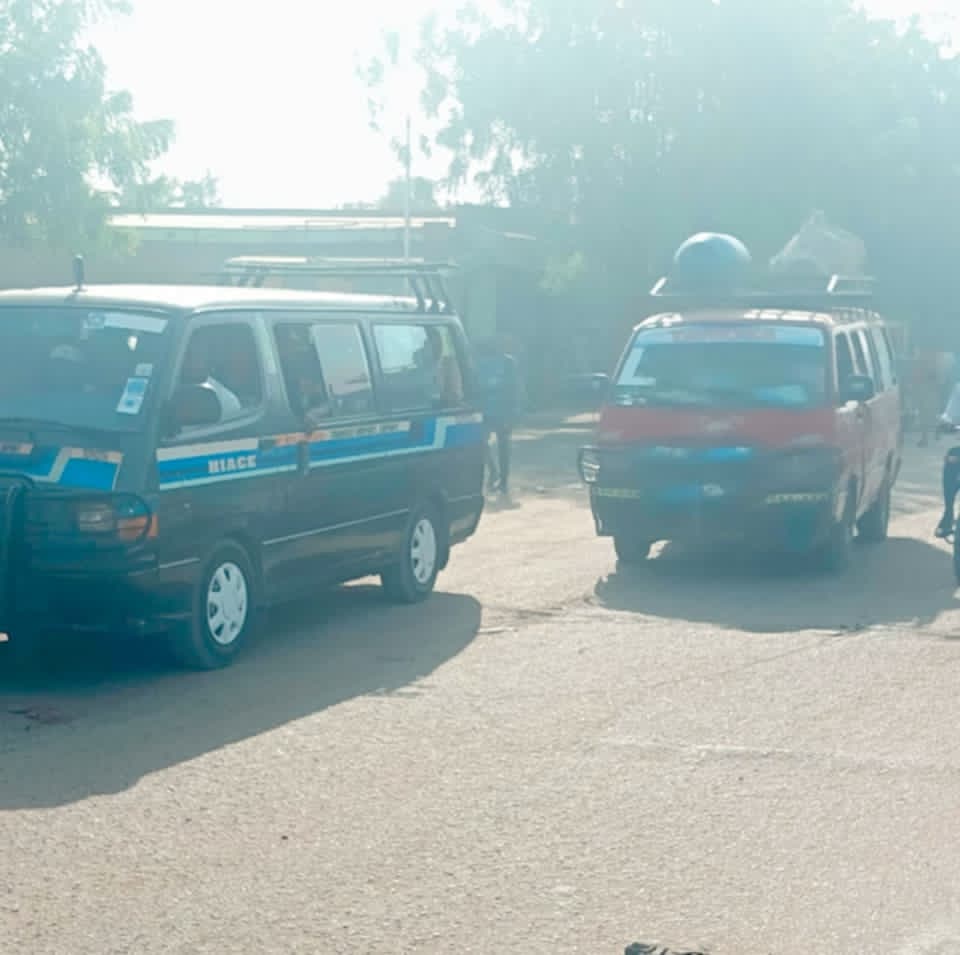
In N’Djamena, the capital of Chad, the absence of designated minibus stops is creating mounting safety concerns and urban disorder. As the city’s population swells, the need for structured public transport solutions becomes increasingly urgent.
The current situation forces minibus drivers to halt abruptly along congested roads, picking up and dropping off passengers wherever space allows. This unregulated practice disrupts traffic flow, increases accident risks—especially during peak hours—and endangers pedestrians navigating between vehicles.
Why designated stops matter
Establishing clearly marked minibus stops at regular intervals—every 150 to 200 meters, depending on neighborhood density—could transform urban mobility in N’Djamena. These zones would:
- Improve traffic flow by eliminating chaotic stops
- Reduce dangerous driving behaviors linked to unplanned halts
- Enhance passenger safety by providing secure boarding areas
- Encourage better road discipline among drivers and commuters
Lessons from other African capitals
Many African cities have successfully addressed similar challenges by formalizing public transport stops. These reforms not only streamline mobility but also foster a culture of order and efficiency. N’Djamena stands to benefit from adopting such strategies, integrating them into its broader urban development plans.
Next steps for N’Djamena
The path forward requires coordinated action between local authorities, transport officials, and informal sector operators. Practical measures could include:
- Installing clear signage at proposed stop locations
- Adding small shelters for passenger comfort and visibility
- Conducting awareness campaigns for drivers and commuters
- Prioritizing infrastructure in high-traffic corridors
Ultimately, structuring minibus stops is more than an infrastructure upgrade—it’s a commitment to safer, more efficient urban mobility. In a city where growth shows no signs of slowing, proactive solutions today will shape N’Djamena’s future as a modern, orderly capital.