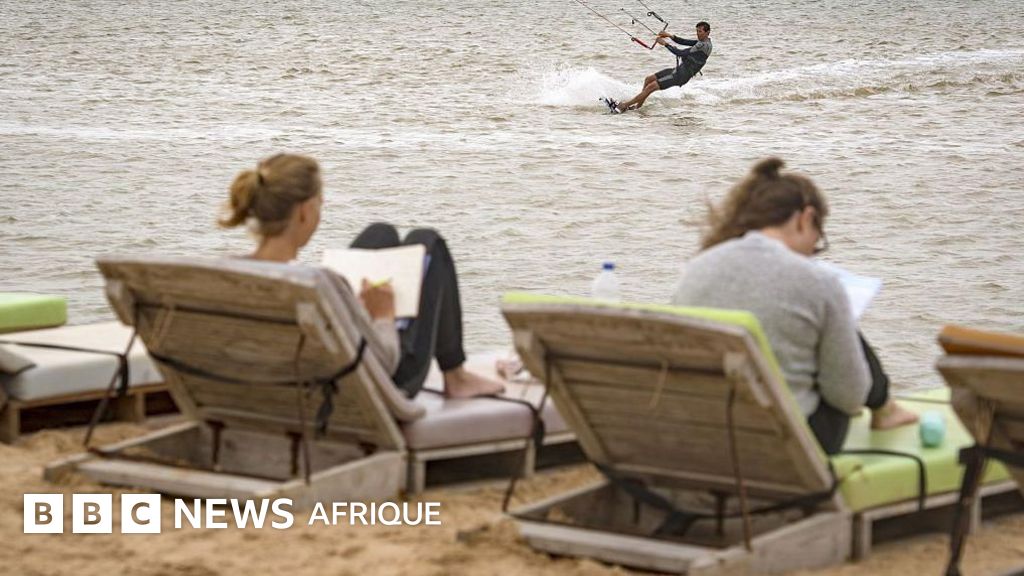
Tourism in the Western Sahara is surging, with travelers from Europe and beyond drawn by the promise of desert retreats and oceanfront relaxation. Yet behind this booming industry lies a decades-old territorial dispute that remains unresolved, with Morocco exerting increasing control over the region.
Dakhla, a windswept peninsula where the Sahara meets the Atlantic, has become a focal point of this strategy. With round-trip flights from Madrid starting at just €30, the city is being marketed as a must-visit destination—part of Morocco, according to airlines and booking platforms. But its legal status remains contentious.

The disputed status of Western Sahara
The United Nations classifies Western Sahara as a non-self-governing territory, meaning its people lack the ability to govern themselves independently. Roughly 80% of the region is under Moroccan administration, which claims it as part of its sovereign territory—referred to as the Southern Provinces.
For over 50 years, the dispute has persisted despite UN-backed efforts to broker a solution, including a long-promised referendum on self-determination. However, local populations have never been allowed to vote on their future. The Polisario Front, a Sahrawi independence movement, controls a narrow strip in the east.
The conflict traces back to 1976, when Morocco annexed Western Sahara following Spain’s withdrawal as colonial power. A ceasefire brokered in 1991 included a promise of a referendum, but it has yet to materialize. Recent UN Security Council moves have leaned toward a Moroccan proposal for limited autonomy, though the final status remains unresolved.
How tourism is reshaping the region
In just seven years, tourism in Moroccan-administered Western Sahara has grown by more than 50%, rising from 490,297 visitors in 2019 to over 743,000 in 2025. This boom is fuelled by new flight routes from Madrid, Paris, and the Canary Islands, operated by airlines like Ryanair, Transavia France, and Binter Canarias.
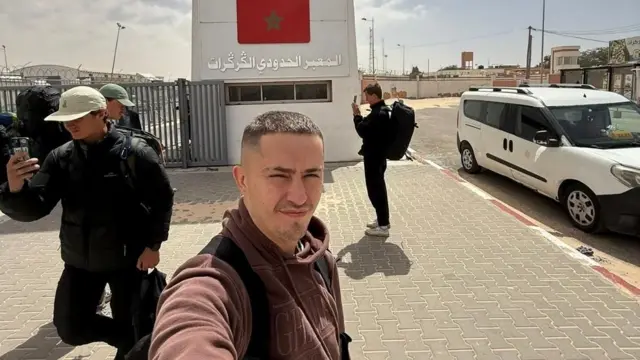
Many travelers, such as 29-year-old British tourist Tom Ruck, have made the journey. Ruck described Dakhla as still in its early stages of development, with few visitors despite ongoing resort construction. He noted Moroccan stamps in his passport and national flags flying across the city.
The Moroccan government has invested heavily in infrastructure, drawing airlines and hospitality brands to promote the region as a hidden gem. Yet critics argue this tourism push is part of a wider effort to normalize Moroccan control, potentially violating international law.
Legal and ethical concerns
Human rights groups and legal experts warn that marketing Western Sahara as part of Morocco risks legitimizing a contested occupation. Erik Hagen, of Western Sahara Resource Watch, argues that airlines and booking sites misrepresent the region’s legal status, potentially misleading travelers and violating international norms.
Major platforms like Booking.com, Expedia, and Trivago currently label hotels and attractions in Western Sahara as located within Morocco. Booking.com states it adds disclaimers for disputed regions but directs users to consult official government travel advisories. Airbnb previously labeled listings as Moroccan but removed such references after advocacy pressure.
Dr. Andrea Maria Pelliconi, a human rights law expert at the University of Southampton, warns that failing to distinguish Western Sahara’s status could expose companies to legal risks under international law, EU consumer protection rules, and competition laws.
The Polisario Front has condemned the tourism boom as a tactic to impose a fait accompli on Sahrawi self-determination. Its UK representative, Sidi Breika, stated that most tourists arrive unaware of the conflict and that infrastructure projects in occupied areas violate Sahrawi rights to independence and self-governance.
International dynamics and future outlook
The dispute has drawn in global players. In 2020, the United States recognized Morocco‘s claim over Western Sahara in exchange for Morocco normalizing relations with Israel. This shift influenced UN Security Council decisions favoring Morocco’s autonomy plan in October 2025, though the Polisario Front continues to reject it.
Despite growing international acceptance of Morocco’s position, the legal framework remains unresolved. The UN still calls for a mutually agreed political solution—one that respects the right to self-determination enshrined in international law. Meanwhile, the tourism industry continues to expand, raising questions about ethics, compliance, and the responsibilities of global businesses operating in contested territories.

As travelers pack their bags for Dakhla and other destinations, the debate intensifies: Can tourism coexist with justice? Or does it risk entrenching a status quo that denies a people their fundamental right to choose their own future?