Côte d’Ivoire charts long-term territorial growth with SNAT CI-2045
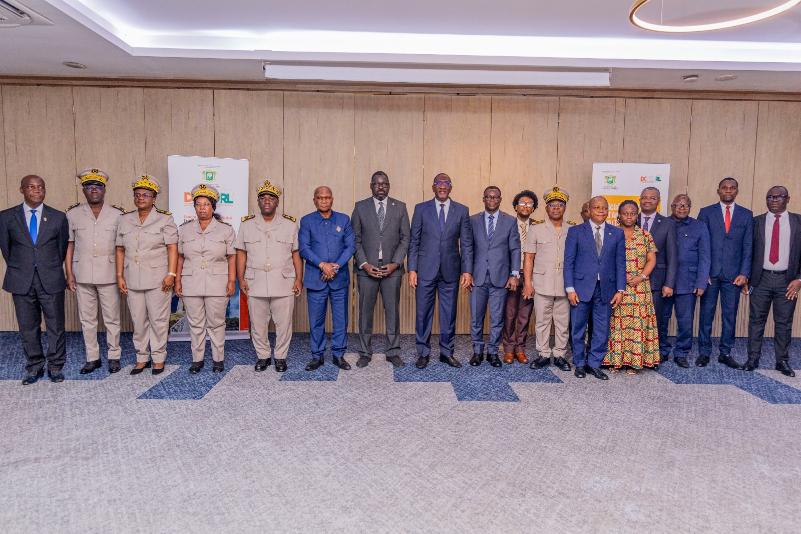
Dr. Souleymane DIARRASSOUBA, Ivory Coast’s Minister of Planning and Development, led a pivotal national workshop in Abidjan to validate the study for the National Territorial Planning Framework (SNAT CI-2045). The gathering brought together key stakeholders including government institutions, prefectural officials, local authorities, technical and financial partners, public administrations, private sector representatives, civil society organizations, academics, experts, and media professionals.
Setting the foundation for national development priorities
The validation workshop marks the beginning of what will become Ivory Coast’s first comprehensive national territorial planning reference framework. Once adopted, SNAT CI-2045 will serve as the guiding document for all public and private investment decisions, ensuring more strategic allocation of resources and fostering balanced regional development across the country.
The initiative aligns with President Alassane Ouattara’s vision to strengthen Ivory Coast’s strategic planning capabilities, supporting the nation’s economic, social, and environmental transformation journey. Territorial planning plays a crucial role in this strategy by promoting more equitable investment distribution, unlocking each region’s potential, and ensuring policy coherence across development initiatives.
Five strategic pillars for national progress
SNAT CI-2045 is structured around five key strategic axes designed to shape the country’s future development trajectory:
- Balanced territorial development: Reducing regional disparities through targeted investments and opportunities
- Efficient urban-rural networks: Strengthening connections between cities and rural areas for inclusive growth
- Enhanced territorial governance: Building stronger local administrative structures and decision-making processes
- Performance-driven economy: Developing resilient, inclusive economic systems that create shared prosperity
- Climate transition acceleration: Integrating sustainability into all development planning
The framework emerged from an extensive, multi-scale consultation process combining scientific rigor with inclusive participation. It addresses critical national challenges including regional inequality, urbanization control, territorial competitiveness enhancement, local governance improvement, natural resource preservation, and regional integration consolidation.
Path to legislative adoption and implementation
Following the workshop’s conclusion, the finalized SNAT proposal will proceed to government review before parliamentary submission. The eventual adoption of the National Territorial Planning Law will establish Ivory Coast’s first-ever comprehensive territorial planning framework. This landmark legislation will guide state action by directing investments toward areas with maximum transformative impact while promoting more balanced nationwide development.
The Minister emphasized the framework’s alignment with the National Development Plan (PND 2026-2030), noting that “while PND sets medium-term priorities, SNAT CI-2045 translates these into long-term territorial realities. Together, they create a coherent public action framework that ensures every territory finds its rightful place in the national development journey.”