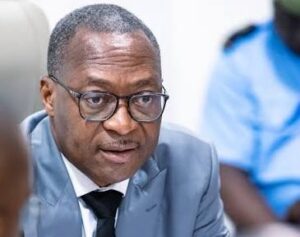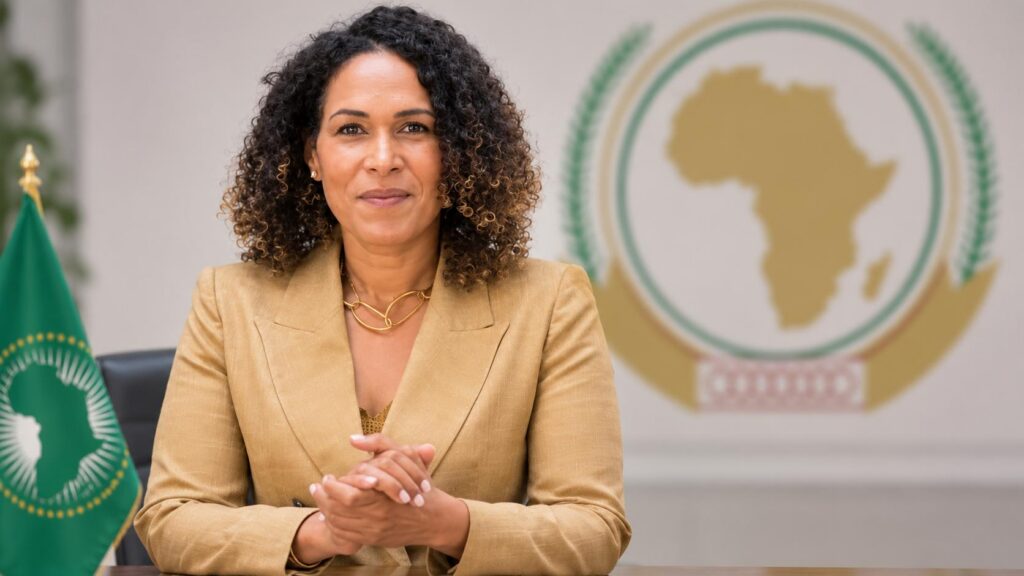
The Bénin is poised to make a significant diplomatic leap as it prepares to assume the rotating presidency of the African Union (AU) Peace and Security Council (PSC) for the entire month of September 2026. This pivotal role follows intensive preparatory talks held in Addis-Abeba, where the Bénin’s Minister of Foreign Affairs, Corinne Amori Brunet, engaged with the AU Commission Chair, Mahmoud Ali Youssouf, on the sidelines of the 49th session of the Executive Council.
An influential two-year mandate
The September presidency is not an isolated event but part of a broader two-year tenure (2026-2028) secured by Cotonou on 11 February, when it was elected as one of the 15 member states of the PSC. Though the rotating leadership does not grant unilateral decision-making authority, it elevates the host nation’s diplomatic influence within the continent’s premier crisis management body.
During its tenure, the Bénin will wield significant influence over key operational aspects of the PSC:
- Agenda-setting power: The country will craft the monthly agenda and prioritize critical themes for discussion, ensuring its strategic interests are reflected in continental debates.
- Crisis spotlight control: Cotonou will steer discussions toward pressing regional hotspots, including the Sahel instability, the Sudan conflict, and the persistent unrest in the Horn of Africa.
- Institutional coordination: The presidency will foster collaboration between the PSC and other AU entities, such as the Panel of the Wise and the African Commission on Human and Peoples’ Rights.
A global platform during UN General Assembly
The timing of this presidency is particularly strategic, aligning with the 81st session of the United Nations General Assembly in New York. This convergence offers the Bénin a unique opportunity to champion African perspectives on security and governance at the highest global forum, amplifying its diplomatic voice on the world stage.