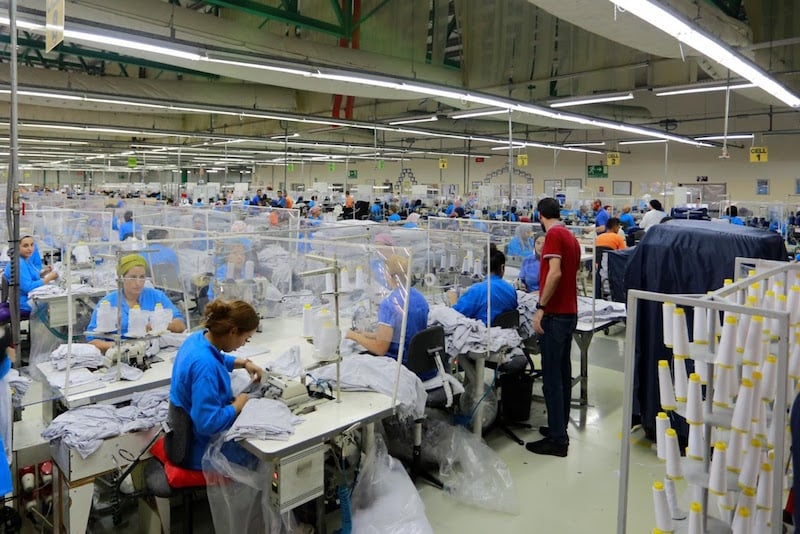
Transitioning to a circular model in the textile industry could unlock $1.9 billion in private investment for Morocco and generate over 30,000 new jobs. This industrial shift focuses on recycling waste and reducing environmental impact to meet the growing European demand for sustainable apparel and better product traceability.
A recent pilot initiative has already demonstrated significant success, more than doubling its primary targets. Current data shows that 2,400 tons of textile remnants were earmarked for recycling, with 427 tons successfully converted into fresh materials. This progress marks a turning point for a sector previously split between informal collectors and low-value workshops, providing a solid industrial foundation for future growth.
Integrating recycled fibers offers substantial ecological benefits, potentially cutting carbon emissions by 18% and reducing water usage by more than 60% compared to traditional manufacturing. These improvements are vital for Moroccan manufacturers facing local water scarcity and increasing pressure from international buyers for greener production methods and transparent material sourcing.
Formalizing the workforce and enhancing traceability
The shift also promises a major social transformation. Currently, more than 80% of textile waste collectors in Morocco operate without official recognition. However, with the implementation of targeted public policies, up to three-quarters of these workers could transition into the formal sector within the next five years, securing better wages, social protections, and professional structure.
Morocco is uniquely positioned to become a regional hub for sustainable textiles due to its industrial expertise and proximity to Europe. To fully capitalize on this, the industry requires specific regulatory updates, including the official recognition of textile scraps as reusable raw materials and the adaptation of customs rules to facilitate circular trade.
Preparing for the 2027 EU digital passport
Establishing traceability systems that align with European Union standards is now a strategic necessity. The EU currently absorbs 93% of Morocco‘s textile exports and will begin enforcing a digital product passport in 2027. This system will require garments to feature a QR code or NFC chip containing “verifiable data on the environmental footprint, traceability, and actual composition of every piece of clothing.” For Moroccan exporters, meeting these documentation standards will be essential for maintaining access to high-value markets.