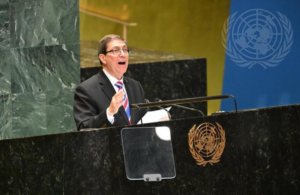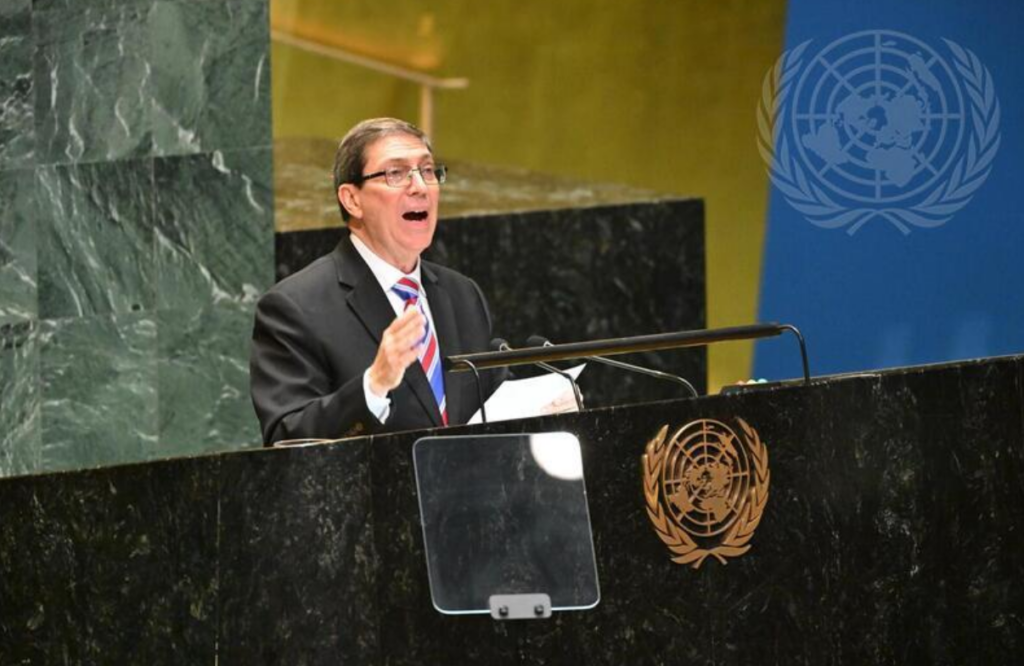
The latest United Nations vote on lifting the decades-long U.S. embargo against Cuba has exposed a growing divide within Africa, with Morocco standing alone as the continent’s sole dissenting voice. The October 2026 resolution passed convincingly with 130 votes in favor, 17 against, and 25 abstentions—but Rabat’s opposition broke an otherwise unified African stance.
An unprecedented african split on cuba policy
Every year since 1992, the UN General Assembly has voted overwhelmingly to end the embargo on Cuba. Yet the 2026 outcome reveals a shifting landscape: support has dipped from 165 to 130, while opposition rose from seven to 17. The shift is subtle, but the message is clear—global alignment on Cuba is weakening.
Across Africa, 49 of 54 nations voted to lift the embargo or abstained. Morocco was the only African nation to oppose the measure. This divergence highlights a key question: why has Rabat diverged from the continental consensus—and what does it mean for its diplomatic alliances?
For decades, African states have united around core principles—sovereignty, non-interference, and economic freedom—making Cuba’s embargo a symbol of unilateral coercion. Morocco’s vote challenges this consensus, raising concerns about its long-term regional strategy.
From abstention to outright opposition: a strategic shift?
Unlike previous years, Morocco did not merely abstain—it actively voted against the resolution. Reports indicate Rabat had supported the 2025 measure through abstention, suggesting a deliberate policy change. While the reasons remain officially unclarified, the timing coincides with intensified U.S. lobbying to maintain economic restrictions on Cuba.
This shift could reflect evolving geopolitical priorities. Morocco has strengthened ties with Washington in recent years, particularly through defense cooperation and strategic agreements. Yet without public justification, the move risks appearing as a departure from shared African values—especially on economic sovereignty.
Analysts caution against overinterpreting a single vote. Morocco’s rejection may reflect specific economic or political considerations rather than a broader realignment. Still, its isolation within the African bloc raises eyebrows in diplomatic circles.
Cuba struggles under enduring embargo pressures
The U.S. embargo, now in its seventh decade, has crippled Cuba’s access to global markets, fuel, medicine, and technology. Shortages in electricity, food, and medicine are widespread. Proponents argue lifting the embargo could ease humanitarian strains and allow Cuba to rebuild its economy.
Washington defends the sanctions, citing concerns over human rights and governance under the Cuban regime. Yet critics call the measures counterproductive, punishing citizens rather than changing policy. The UN vote, while symbolic, keeps international pressure on the U.S.—and now, Morocco—amid ongoing suffering in Cuba.
The resolution carries no legal force. Its power lies in international solidarity. For Cuba, every vote against embargo renewal is a moral victory. But for Morocco, its vote against sends a different signal—one whose implications extend beyond the Caribbean to the heart of African unity.
What’s next for Morocco’s diplomatic path?
The vote leaves Rabat in an awkward position. While it reflects strategic autonomy, it also underscores a growing distance from longstanding continental alliances. Without official explanation, speculation abounds—economic concessions from Washington? A shift toward hemispheric realpolitik?
What remains certain is that the UN vote has placed Morocco under the spotlight—not as a leader of African consensus, but as the exception. And in a world where solidarity is increasingly tested, such exceptions carry consequences not just for diplomacy, but for the people they represent.