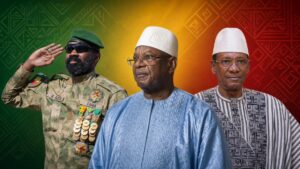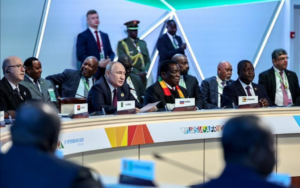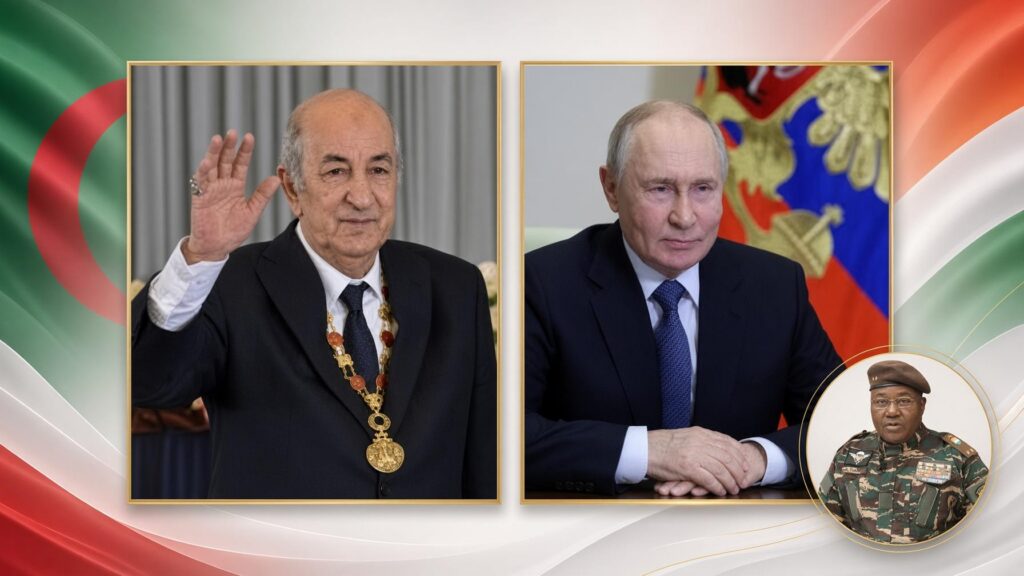
The fragile balance of power in the Sahel is crumbling as Algeria makes a bold strategic move that threatens to upend Russia’s long-standing military grip on Niger. By approving the deployment of its National Popular Army (ANP) troops across the border, Algiers has triggered a domino effect that could reshape the region’s security landscape for decades to come.
The Algerian Parliament’s decision marks the first cross-border troop deployment in half a century, signaling a dramatic shift in how the Sahel’s most influential players will compete for influence in the coming years. Far from a symbolic gesture, this move directly challenges Moscow’s carefully constructed security architecture in Niamey, forcing a rethink of Russia’s economic and military strategies in West Africa.
Russia’s security stranglehold on Niger faces an unexpected rival
For months, Russia had positioned itself as the sole guarantor of Niger’s security after Western forces were expelled from the country. Through a series of high-stakes military contracts, Moscow had secured its foothold in Niamey’s defense sector, supplying advanced air defense systems, tactical drones, attack helicopters, and deploying its Africa Corps mercenaries—all in exchange for lucrative mining and oil concessions. These arrangements funneled hundreds of millions of dollars into the Kremlin’s coffers while tightening its control over one of Africa’s most resource-rich nations.
Now, Algeria’s surprise intervention is dismantling Russia’s monopoly piece by piece. The Algerian Armed Forces, with their modernized equipment and seasoned personnel, are offering Niger an alternative that doesn’t come with crippling financial dependencies or hidden geopolitical strings attached. The implications for Moscow are severe:
- Crumbling market dominance: Niger can now reduce its reliance on Russian arms purchases, which often came at inflated prices with questionable long-term value.
- Economic leverage lost: Russia’s strategy of using military contracts to secure mining and oil rights in Niger is being undermined by Algeria’s neutral stance on resource extraction.
- Technical rivalry: With deep expertise in Soviet-era military hardware—from Su-30 fighter jets to armored vehicles—Algeria can now provide maintenance and logistical support for Niger’s Russian-made equipment, cutting Moscow out of highly profitable service contracts.
Algeria’s gambit: protecting billion-dollar energy stakes
Behind Algeria’s military maneuver lies a high-stakes economic imperative. The North African giant is not merely asserting geopolitical dominance; it is safeguarding investments worth billions in Niger’s energy sector. Two projects sit at the heart of this strategy:
- The Kafra oil field: Operated by Algeria’s state-owned Sonatrach through its subsidiary SIPEX, this field holds an estimated several hundred million barrels of crude. Its continued production is vital to the economic revival of the Algerian-Nigerien energy partnership.
- The Trans-Saharan Gas Pipeline (TSGP): This ambitious infrastructure project aims to transport over 30 billion cubic meters of Nigerian gas annually to Europe via a 4,128-kilometer route through Niger and Algeria. Ensuring the pipeline’s security is non-negotiable—and incompatible with the unchecked presence of mercenary forces or armed non-state actors.
By deploying troops, Algeria is not only protecting its own assets but also sending a clear message to Moscow: the Sahara is not up for geopolitical conquest. Any attempt to extend Russian military or economic influence over Niger’s energy corridors will be met with a strong Algerian response.
Moscow’s gamble backfires as Algeria redraws the Sahel’s power map
For years, Algeria was Russia’s most loyal customer in Africa, purchasing billions of dollars’ worth of arms and defense systems. Today, Algiers is using that same military might to counter the Kremlin’s ambitions in the Sahel. This reversal has left Moscow scrambling to adapt to a new reality where its African strategy is no longer unchallenged.
The Niger deployment forces the Russian-backed junta in Niamey to reconsider its blind alignment with Moscow. With Algeria now offering a credible alternative, the junta gains leverage to renegotiate terms of its security and economic partnerships—reducing its dependence on the Kremlin and potentially reopening doors to Western or regional allies.
For Russia, the illusion of unchallenged dominance within the Alliance of Sahel States (AES) has evaporated. The Sahara is transforming into a high-stakes arena where yesterday’s arms deals no longer guarantee today’s military or economic influence. What began as a quiet rivalry has escalated into a full-blown competition for control over one of Africa’s most strategically vital regions.
The domino effect: who will blink first in the Sahel?
The Algerian intervention in Niger is more than a bilateral chess move—it is a regional earthquake. With Mali and Burkina Faso closely watching, Algeria’s bold stance could inspire other Sahel nations to diversify their alliances, reducing their vulnerability to external mercenary forces and resource-hungry powers.
The chessboard is set. Algeria has made its opening gambit. The question now is whether Russia will retreat, double down, or seek a fragile détente in a region where economic interests and military strategy collide. One thing is certain: the era of unchallenged Russian influence in the Sahel is over. The Sahara’s future will be written not by mercenaries, but by nation-states with clear economic and security agendas.