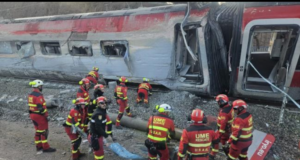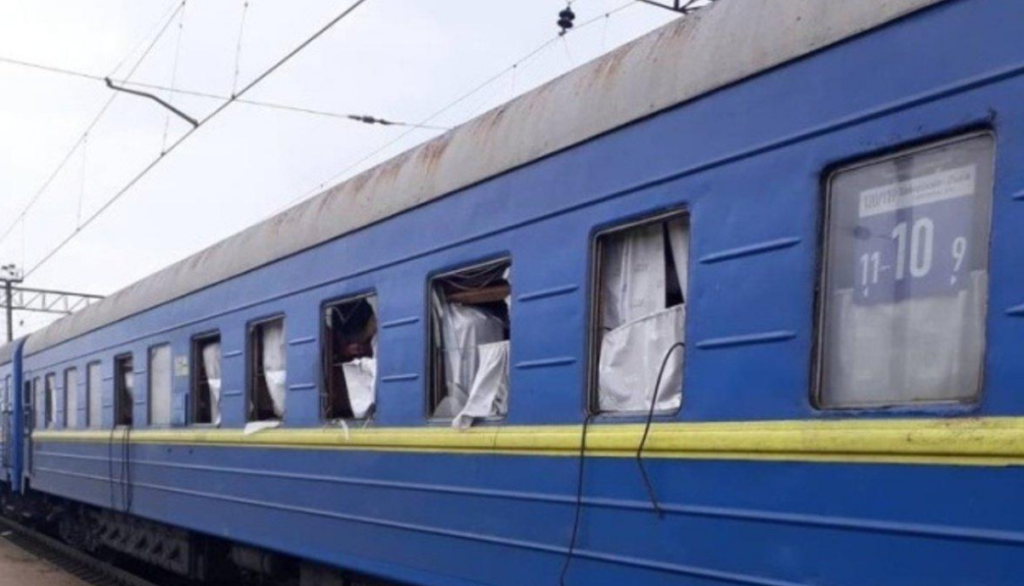
The morning of October 29, 2026, turned into a nightmare for commuters in Dnipro, a key industrial hub in eastern Ukraine. A Russian jet-powered drone struck the bustling platform of the city’s central railway station, killing at least 13 people and injuring several others. Local authorities confirmed the attack occurred as a train bound for Zaporizhzhia waited at the platform, exposing the stark reality of how everyday civilian infrastructure has become a battlefield.
From routine travel to instant tragedy: the human cost of modern warfare
The strike on Dnipro’s railway station underscores a grim shift in the war: no longer confined to frontlines, lethal violence now reaches the heart of public life. Eyewitnesses described scenes of chaos as smoke rose over the platform. Emergency crews, firefighters, and police were immediately deployed to secure the area and assist survivors. Mayor Borys Filatov publicly condemned the attack, calling it an act of terror against innocent civilians.
The Ukrainian president swiftly denounced the strike as a war crime, emphasizing the deliberate targeting of a civilian transport hub. Among the victims were passengers waiting for Regional Train #866, a daily service connecting Dnipro with Zaporizhzhia—a city already grappling with the ongoing conflict’s humanitarian toll.
Railways under siege: how Ukraine’s lifeline became a target
Since Russia’s full-scale invasion in 2022, Ukraine’s railway network has been a cornerstone of survival. It transports evacuees, carries food and medical supplies, and keeps families connected despite constant bombardment. Yet this critical infrastructure is now increasingly vulnerable to drone strikes that bypass traditional air defenses.
Ukrzaliznytsia, Ukraine’s national rail operator, reported that an air alert was issued minutes before impact. Despite warnings, the platform remained crowded as travelers rushed to catch their trains. This tragic delay in evacuation highlights the harsh reality: when seconds count, not everyone can escape in time. The strike left families shattered, trains delayed indefinitely, and entire communities questioning the safety of their daily commutes.
Drones rewrite the rules of war—and the cost to civilians
Russia’s use of jet-powered drones has introduced a new layer of danger across Ukraine. These high-speed, low-altitude aircraft are harder to detect and intercept than traditional drones, making them an effective weapon against both military and civilian targets. The Dnipro strike is the latest in a series of attacks aimed at disrupting Ukraine’s ability to function, forcing authorities to divert resources to protect critical infrastructure.
While the exact motives behind the Dnipro strike remain under investigation, the outcome is undeniable: a civilian space—where people board trains to work, reunite with family, or flee danger—has been turned into a war zone. The international community’s delayed response only deepens the sense of abandonment among Ukrainians who continue to live under daily threat.
Ukraine’s urgent plea: time to act before the next tragedy
In the wake of the attack, calls for stronger Western support have grown louder. Ukraine’s leadership has urged NATO allies and the EU to impose stricter sanctions on Russia and accelerate the delivery of air defense systems capable of countering drone threats. Yet the human toll cannot wait for geopolitical decisions.
Each life lost in Dnipro represents a stolen future: a student heading to class, a worker returning home, a parent reuniting with children. The railway station, once a symbol of normalcy, now stands as a grim reminder of how war has redefined safety in Ukraine. As rescue teams work through the night, one question lingers: when will the world act decisively to protect the civilians who are paying the highest price?