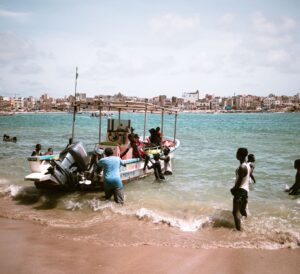
Just before dawn on a quiet Monday in July, the coastal town of Aourir, located north of Agadir, remained shrouded in darkness as armored vehicles and elite units silently rolled through its streets. The mission was urgent and non-negotiable: dismantle a radicalized cell linked to Daech before it could strike.
Guided by intelligence from the Directorate General for Territorial Surveillance (DGST), special forces breached the suspect’s residence. The operation lasted mere seconds—the individual was subdued without resistance.
Investigators from the Central Bureau of Judicial Investigations (BCIJ)—a DGST affiliate—swiftly executed a forensic sweep. What they uncovered confirmed the most dire suspicions: the suspect had moved beyond ideological posturing. Knives, tactical gear, and evidence of imminent violent intent were all in place. Residents of Aourir awoke to the reality of a thwarted threat, caught between shock and relief.
The hidden bomb factory
Less than 30 kilometers away, in the industrial outskirts of Inezgane, the investigation took a more alarming turn. Nestled in a clandestine warehouse in the Traast El Jorf district, a chilling secret lay in wait—one that could have devastated lives and infrastructure across the Kingdom.
Upon entering, forensic teams discovered a makeshift bomb manufacturing facility. At its center stood a 4×4 vehicle, its fuel system altered to run on butane gas instead of gasoline. The modification was deliberate: designed to amplify thermal impact and blast radius in a potential suicide attack or vehicle-ramming assault on critical national sites.
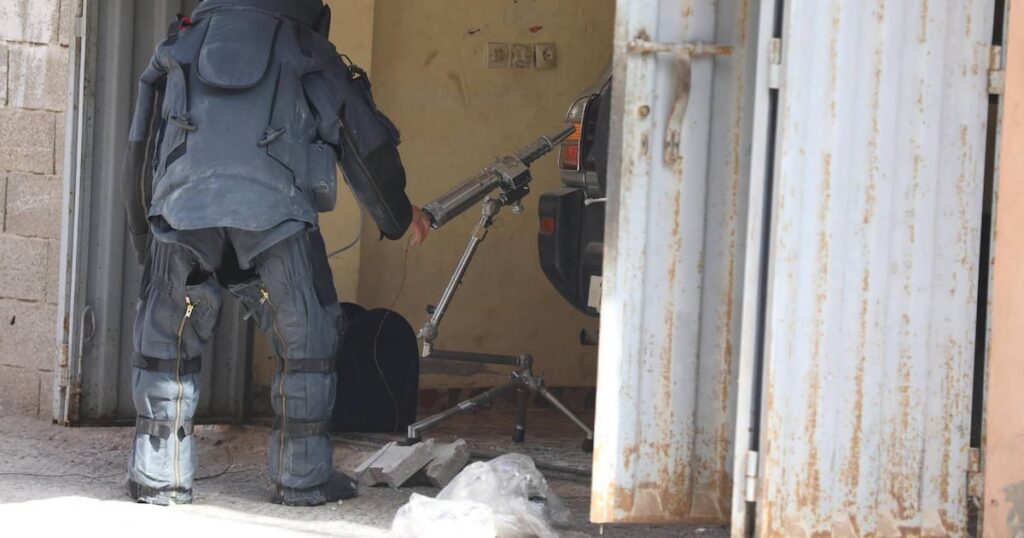
The immediate risk of detonation triggered an emergency response. Authorities evacuated nearby residents, deployed bomb disposal experts from the National Security Directorate (DGSN), and used robotic systems equipped with sensitive sensors to inspect the vehicle’s interior without exposing personnel to harm.
The inventory that followed exposed a nightmare of materials: gas cylinders, pressure cookers rigged as shrapnel-filled bombs, electrical wiring, detonators, welding equipment, and large quantities of solid and liquid chemicals. Every item pointed to meticulous planning—and a terrifying timeline of intended violence.
A synchronized national crackdown
The operational heart of this cell was rooted in the Souss region, but its network extended deep into Moroccan soil. To prevent premature alarms, DGST’s elite units launched simultaneous raids across seven cities: Agadir, Taroudant, Casablanca, El Hajeb, Tétouan, Fquih Ben Salah, and Safi. The goal was clear: dismantle the entire structure before it could activate.
The arrests yielded ten suspects, including a 17-year-old—evidence of a predatory recruitment strategy targeting minors. Another suspect was a former prisoner previously convicted under anti-terrorism laws, highlighting the persistent challenge of recidivism in extremist circles.
Searches conducted in the suspects’ homes—assisted by explosive detection dogs—revealed a trove of digital and physical evidence: military uniforms, handwritten manuals detailing improvised explosive device assembly, and digital files containing two critical videos. One showed a formal oath of allegiance to Daech’s so-called “Caliph,” while another contained explicit threats to sabotage national infrastructure.
External coordination and compartmentalized cells
Preliminary investigations uncovered a disturbing connection: this cell was receiving direct orders and logistical support from Daech operatives in the Sahel. The directive was explicit—avoid joining insurgent groups abroad and instead launch internal attacks within Morocco to destabilize the nation from within.
The cell operated under a strict military-style compartmentalization. A reconnaissance team scouted potential targets, a logistics team quietly procured chemicals, welding tools, and vehicles, and a technical unit in Inezgane modified the 4×4 and assembled explosives—all under the leadership of a single, highly disciplined commander determined to avoid detection.
Thanks to the DGST and BCJI’s swift, coordinated response, the plot was dismantled before ignition. Nine adult suspects were taken into custody, while the minor was placed under protective supervision under the jurisdiction of anti-terrorism prosecutors.
As calm returned to Aourir and Inezgane, forensic experts began the painstaking process of decrypting seized phones and hard drives. Their mission: map encrypted communication lines with Sahel-based operatives and ensure no dormant threat remains undetected.