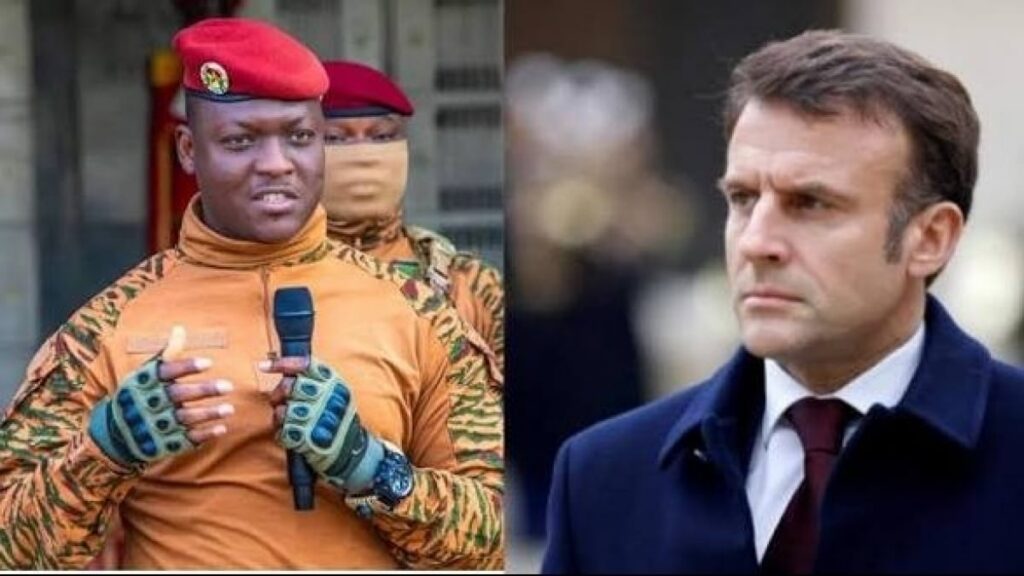
France has formally severed diplomatic relations with Burkina Faso following a sharp deterioration in bilateral ties, prompting the immediate withdrawal of all French diplomatic personnel from the West African nation. The decision came in response to Ouagadougou’s unilateral announcement on June 26 to cut all ties with Paris, a move Paris has condemned as unfounded and politically motivated.
The French Ministry of Foreign Affairs summoned Burkina Faso’s chargé d’affaires in Paris on June 30, where officials delivered a firm response: all Burkinabè diplomatic staff in France must leave the country within seven days, invoking the principle of reciprocity. Paris also rejected accusations that it supports terrorist groups in the Sahel, calling the claims « completely baseless » and emphasizing its unwavering commitment to combating terrorism and protecting civilian lives across the region.
With tensions escalating, French authorities have urged its nationals in Burkina Faso to exercise extreme caution. Over 2,000 French citizens currently reside in Burkina Faso, while more than 6,000 Burkinabè citizens live in France, underscoring the human stakes of this diplomatic rupture.
Roots of a growing divide
The breakdown in relations reflects a deepening rift that began after Captain Ibrahim Traoré came to power following the September 2022 coup. Since then, Burkina Faso’s military-led government has pursued a sovereignty-first agenda, increasingly distancing itself from Western partners—particularly France—and accusing Paris of undermining its national interests. In 2023, Ouagadougou took decisive steps to reduce French influence, including expelling the French ambassador, terminating military cooperation agreements, and ending the deployment of French counter-terrorism forces that had been assisting in the fight against jihadist groups.
In response, Burkina Faso has pivoted toward new alliances, deepening ties with countries such as Russia, Turkey, and Iran. This shift has further strained already fragile relations with traditional partners like France, raising concerns about regional stability and the broader implications for counter-terrorism efforts in the Sahel.
France reaffirms stance on terrorism in the Sahel
Despite the diplomatic fallout, France has reiterated its condemnation of terrorism and violence against civilians across the Sahel. Officials stressed that their actions are guided by a commitment to regional security and stability, not interference in the internal affairs of sovereign states. The Ministry of Foreign Affairs emphasized that allegations of French support for militant groups are « entirely false » and serve only to distract from pressing security challenges.