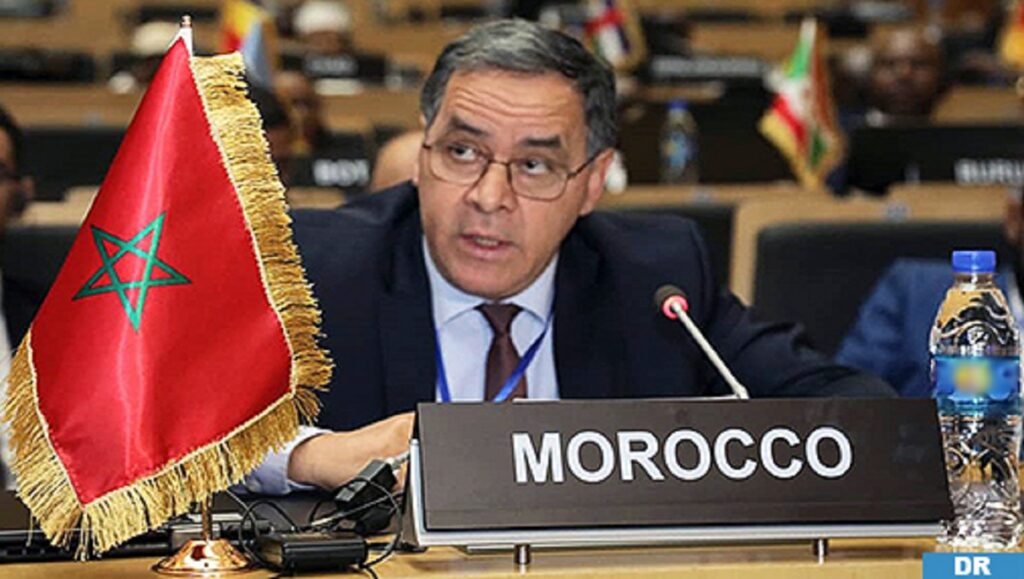
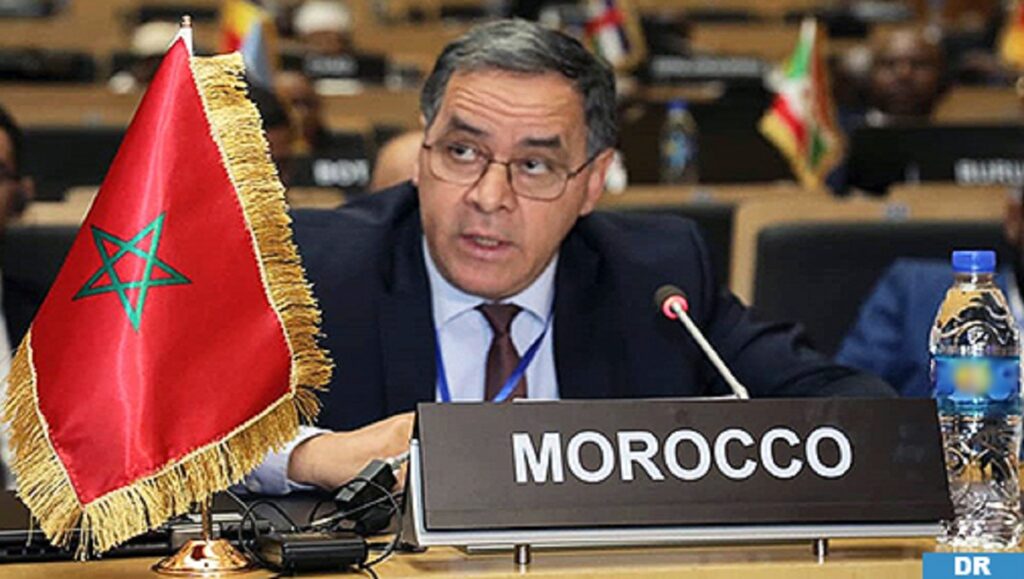
On Tuesday, June 9, 2026, Morocco reaffirmed its unwavering commitment to a diplomatic resolution for the Libyan crisis during a session with the African Union’s Peace and Security Council.
Mohamed Arrouchi, the Kingdom’s Permanent Representative to the African Union and the UN Economic Commission for Africa, voiced Morocco’s support for national reconciliation efforts. He highlighted the importance of fostering direct communication between all involved Libyan parties to ensure a stable future.
The Skhirat agreement as a central pillar
During the discussions, Arrouchi reminded the council that the Skhirat Agreement, signed in late 2015 under United Nations supervision, remains a fundamental reference point for achieving a lasting peace. He emphasized that the preservation of Libya’s sovereignty and territorial unity must be prioritized in every step of the political process.
The ambassador also expressed Morocco’s appreciation for the African Union’s broader initiatives to maintain security and peace on the continent, particularly its focus on facilitating a political end to the Libyan conflict through inclusive dialogue.
Advancing the political process through mediation
Reference was made to the successful meetings held in Tripoli and Zenten. These talks led to a significant agreement on January 7, 2026, between delegates from the Government of National Unity and the eastern-based administration, marking a step forward in internal diplomacy.
Morocco’s active role in guiding this transition was also put forward. By encouraging proximity and understanding between the various factions, the Kingdom operates within the bounds of international legality, the Skhirat framework, and the Bouznika understandings. Morocco continues to advocate for a negotiated settlement, firmly distancing itself from military alternatives to ensure long-term stability in the region.