Escalating oppression by military regimes across West Africa and the Sahel
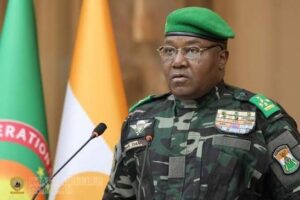
In 2025, military-led governments across West Africa and the Sahel deepened their crackdowns on civil liberties while consolidating power, according to a comprehensive review of global human rights trends. Regional analysts highlight a disturbing pattern of authoritarian tactics employed by ruling juntas, particularly in countries grappling with Islamist insurgencies and political instability.
Armed Islamist groups, alongside state security forces and their allies, have repeatedly targeted civilians and civilian infrastructure in Nigeria and the wider Sahel region. Concurrently, military regimes have systematically undermined regional and international oversight bodies, severely weakening accountability mechanisms designed to address abuses.
Systematic erosion of democratic safeguards
Human rights advocates warn that military juntas in the Sahel have intensified repression of free speech and other fundamental liberties, disregarding commitments to democratic transitions. Mausi Segun, Africa Division Director at Human Rights Watch, emphasized the urgent need for regional intervention:
«Military leaders in West Africa’s Sahel region have escalated suppression of dissent with scant regard for their pledged democratic transitions. There is an urgent requirement for coordinated regional action to compel these governments to restore political freedoms and safeguard citizens’ human rights.»
Key developments in political repression and insurgency
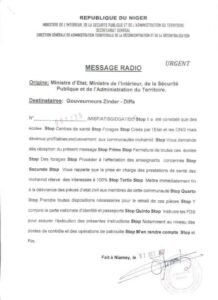
- Niger and Mali extended their transitional periods by five years while banning multiparty democracy. Chad removed presidential term limits altogether.
- Journalists, activists, and government critics in Burkina Faso and Mali faced arbitrary detention, forced disappearances, or illegal conscription. In Nigeria, authorities arrested and prosecuted journalists and social media users under expansive cybercrime legislation.
- Former Nigerien President Mohamed Bazoum remains detained without trial, while Chadian opposition leader Succès Masra was sentenced to 20 years on politically motivated charges.
- Islamist militant groups Jama’at Nusrat al-Islam wa al-Muslimeen (JNIM) and the Islamic State in the Sahel (EIS) carried out deadly attacks on civilians in Burkina Faso, Mali, and Niger.
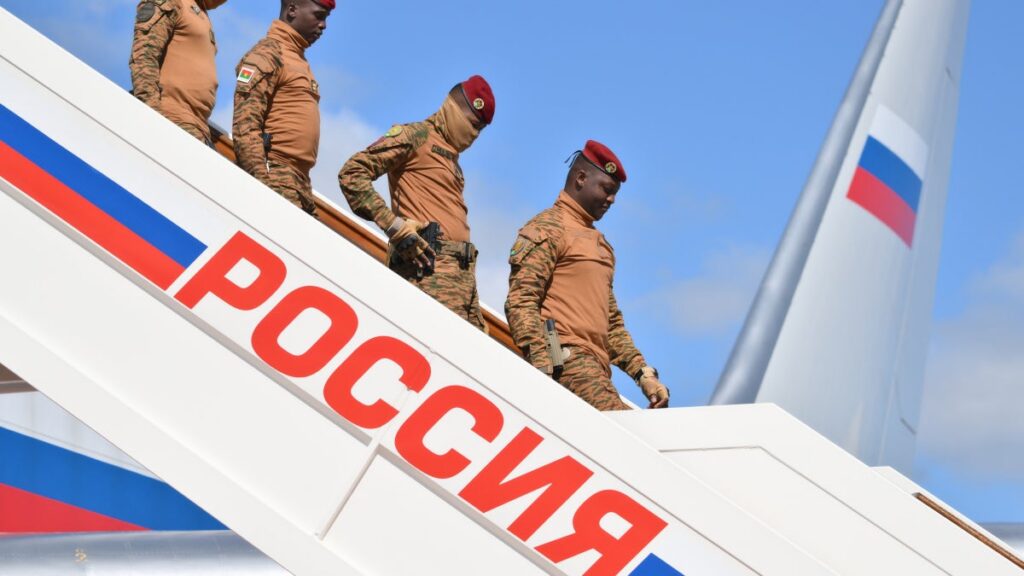
- State forces in Burkina Faso, pro-government militias, Malian armed forces, and the Russian-backed Africa Corps (formerly Wagner Group) executed civilians from the Fulani ethnic group.
- In Nigeria, Boko Haram’s faction Jama’atu Ahlis Sunna Lidda’awati wal-Jihad resurged in Borno State, while armed gangs terrorized the northwest with killings, abductions, and raids amid government failures to protect communities or hold perpetrators accountable.
- Mali, Niger, and Burkina Faso accelerated their withdrawal from the Economic Community of West African States (ECOWAS) and announced plans to exit the International Criminal Court (ICC), jeopardizing justice for victims of atrocities.
Call for strengthened regional and international accountability
Human rights organizations are urging the African Union and other regional bodies to intensify efforts to protect civilians from violence and rights abuses. The growing authoritarianism and withdrawal from international oversight mechanisms threaten to leave populations without recourse against state-sponsored repression and militant violence.