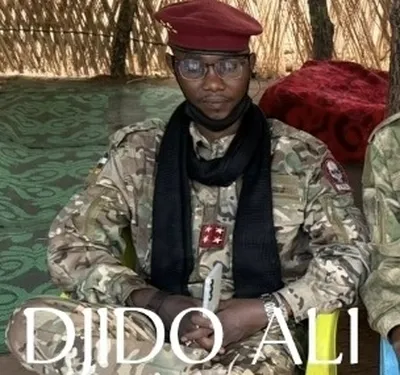
The Central African Republic’s military landscape has shifted dramatically as mercenary forces from Russia exert significant influence over the country’s armed factions. In a surprising turn of events, Ahmat Chaltout, the recently appointed Chief of Staff of the Movement of Central African Patriots (MPC), has stepped down from his position. His resignation comes under intense pressure from these foreign-backed groups, paving the way for Didot Ali, the former head of the MPC, to reclaim leadership.
What led to this unexpected power shift?
The unfolding situation in Bangui reflects the growing role of external actors in shaping the nation’s military hierarchy. Reports indicate that Russian mercenaries, operating within the country, have played a decisive role in pressuring current leadership to make way for new figures. This intervention has not only altered the command structure of the MPC but also raised concerns about the sovereignty of the Central African Republic’s military decisions.
Didot Ali’s return to power
Didot Ali, who previously held the position of Chief of Staff, has now reassumed control of the MPC. His return signifies a return to a leadership style that some factions within the military may view as more aligned with the interests of external backers. The transition of power, though abrupt, underscores the fragile balance of authority in a nation where foreign influence continues to grow.
As the Central African Republic navigates this period of change, the implications for its military and political future remain uncertain. The presence and actions of these mercenary groups continue to shape the country’s trajectory, leaving many to question the extent of their impact on national sovereignty.