international business
Maroc-philippines trade grows by 50% in five years
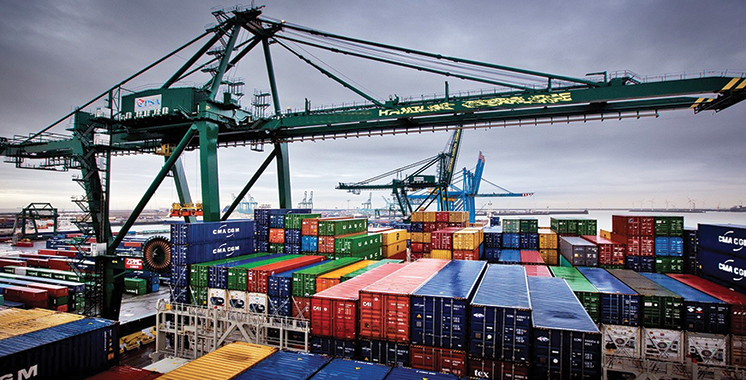
Philippine Ambassador to Morocco Leslie Baja highlighted a significant surge in bilateral trade over the past five years, noting a 50% increase in exchanges between the two nations. Despite this progress, both countries believe the current figures still fall short of their full potential.

The foundations of Morocco-Philippines relations rest on a robust framework that spans multiple strategic sectors, as emphasized by Philippine Ambassador to Rabat Leslie Baja. Celebrating half a century of diplomatic ties last year, he underscored the depth of exchanges built through high-level visits, numerous agreements, and strong people-to-people connections, which he described as “the bedrock for the next fifty years of cooperation.”
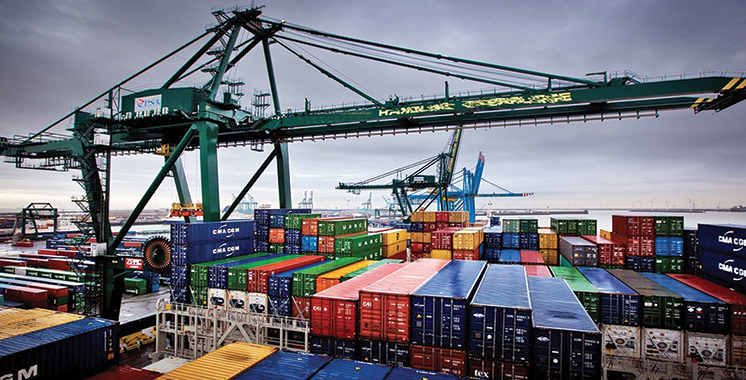
On the economic front, Baja pointed to a remarkable rise in bilateral trade over recent years, with exchanges climbing by approximately 50%. However, he acknowledged that the existing volume remains below the expectations of both nations.
The diplomat highlighted Morocco’s strategic position as a gateway to both Africa and Europe, alongside the Philippines’ active role within the Association of Southeast Asian Nations (ASEAN). He noted that these complementary strengths create fertile ground for deeper economic collaboration, particularly in sectors such as agro-industry, aeronautics, electronics, and textiles. Baja also emphasized the significance of the Philippines as a key importer of Moroccan phosphate.
Looking ahead, he praised the 2023 Morocco-ASEAN sectoral partnership agreement, calling it a gateway to expanded collaboration at both bilateral and regional levels. Discussing the Royal Atlantic Initiative, designed to enhance Sahelian countries’ access to the Atlantic Ocean, Baja drew parallels with ASEAN’s integration model, asserting that such initiatives could yield economic, political, and social dividends across the continent.
“Regional integration in Africa will undoubtedly bolster the continent’s stability, economic resilience, and cultural vibrancy,” he remarked. “A more integrated Africa will emerge as a politically stable, economically resilient, and culturally flourishing powerhouse.”
Addressing the Moroccan autonomy plan for the Southern Provinces, Baja recalled the Philippines’ endorsement during the 2022 visit of the Philippine Foreign Minister to Morocco. He described the initiative as a “solid foundation” for resolving the dispute, while also noting the transformative impact of United Nations Security Council Resolution 2797. He expressed optimism for a successful political process and reiterated Manila’s support for the UN-led efforts to achieve a definitive solution.
Baja also spoke about an upcoming book documenting the history of Morocco-Philippines relations, set for release this week. The publication aims to chronicle five decades of cooperation while celebrating the contributions of Moroccans and Filipinos in fostering closer ties between the two nations. “This book is more than a historical account,” he explained. “It is a testament to the human connections that have strengthened the bond between the Kingdom of Morocco and the Republic of the Philippines.”