The announcement landed like a bombshell on the evening of June 16, 2026. The Ministry of Economy and Finance revealed sweeping tax reforms that promise to tighten the squeeze on Mali’s working families. Among the measures: the sales tax on essential goods—bread, rice, cooking oil, and sugar—has doubled from 1% to 2%. Financial transactions and salaries now face additional surcharges, and every paycheck will see a mandatory quarterly deduction of 10,000 FCFA. The stated goal: bolster national security, support troops, and fund infrastructure projects. Yet in the streets of Bamako and beyond, the mood is far from supportive.
From gold riches to empty plates: the growing disconnect
Mali stands as Africa’s third-largest gold producer, and with recent mining code reforms and aggressive renegotiations with foreign firms, authorities have repeatedly touted a new era of resource sovereignty. Billions in overdue mining royalties have reportedly been recovered. The state’s stake in gold ventures has legally climbed to 35%. Global gold prices continue to soar to historic peaks. So why, when Mali’s subsoil is supposedly yielding more wealth than ever, does the government still resort to taxing the very basics of survival?
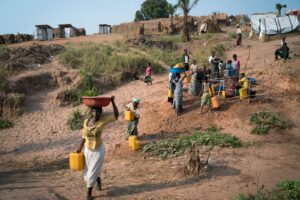
If the message was meant to be, “Now Mali’s gold shines for Malians,” then the reality feels more like a cruel irony. Working families, already crushed under the weight of soaring inflation, are now being asked to carry the heaviest burden. Bread, rice, and soap—cornerstones of daily survival for millions—are being treated as fiscal levers in a war effort that feels increasingly one-sided.
Patriotic sacrifice or failed governance?
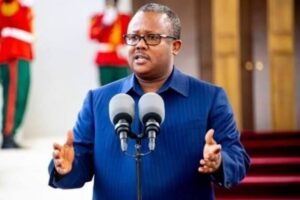
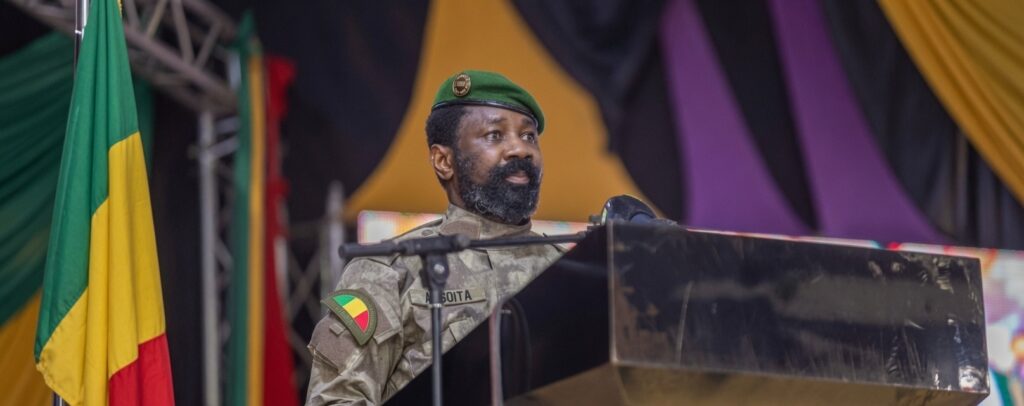
Ministers have framed the new taxes as a call for “patriotic sacrifice,” urging citizens to rally behind the armed forces. But how long can patriotism be fueled by unchecked hardship? Taxing food staples while the nation’s gold wealth flows into opaque channels risks eroding trust between the people and their leaders. A tax system only works if it is fair, visible, and justified—and right now, fairness is in short supply.
The government insists the funds will secure roads and protect communities. Yet without a clear, audited report on how mining revenues are being managed, the message rings hollow. Malians are willing to support their soldiers. What they refuse is to pay the price while the true returns from their golden soil vanish into unaccounted budgets.
Accountability as the missing bridge
The time for transparency is now. Before pressing families deeper into financial distress, authorities must open the books. Every franc generated from gold must be traced, audited, and publicly explained. Citizens deserve proof that their sacrifice is not in vain—that the gold beneath their feet is truly working for them. Only then can the call for unity and sacrifice regain its moral ground.