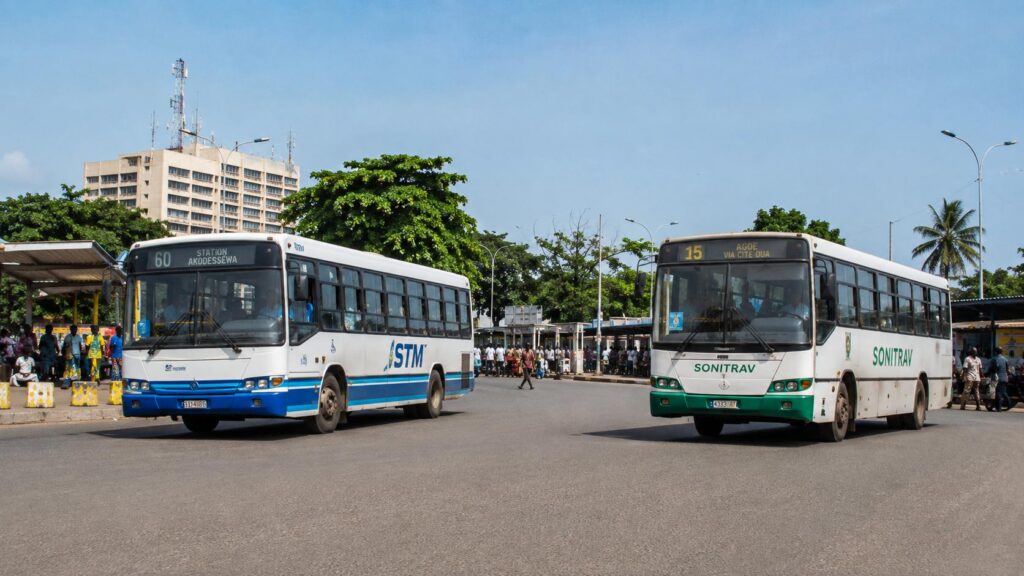
A harrowing collision on August 7, 2026, involving two major transport company buses, STM and SONITRAV, in Niger’s Maradi region, resulted in a devastating toll: 22 fatalities and 37 injuries, leaving behind a scene of twisted metal wreckage. In response to widespread public anguish, the Ministry of Transport swiftly issued a statement threatening “severe sanctions,” potentially including the revocation of operating licenses. However, this display of stern political resolve appears to be a reactive measure, sidestepping deeper, systemic issues. These include glaring deficiencies in public regulatory oversight, problematic economic models adopted by transport operators, and the critical state of infrastructure across Niger.
Punishment as a smokescreen for state shortcomings
The crisis meeting convened on August 10 by Colonel-Major Abdouramane Amadou, the Minister of Transport and Civil Aviation, followed a familiar political script: a forceful declaration, visual presentations of the accident, and the ominous threat of disciplinary action.
While establishing the administrative accountability of the companies involved is essential, the threat of suspending or revoking licenses largely serves as a communication tactic designed to quell public outrage.
- A purely reactive stance: It raises questions why such a tragic loss of 22 lives was necessary to prompt scrutiny into the operational practices of STM and SONITRAV. Relying solely on retrospective punishment reveals a striking absence of a proactive, preventative safety strategy.
- The ambiguous role of regulatory bodies: Representatives from the Nigerien Road Safety Agency (ANISER) and the National Gendarmerie were present at the ministerial table. Yet, the critical question remains: what tangible measures do these institutions implement daily to identify and intercept defective vehicles or penalize speeding infractions before disasters occur?
Beyond human error: the relentless pursuit of profit
Official government communications frequently attribute such incidents to