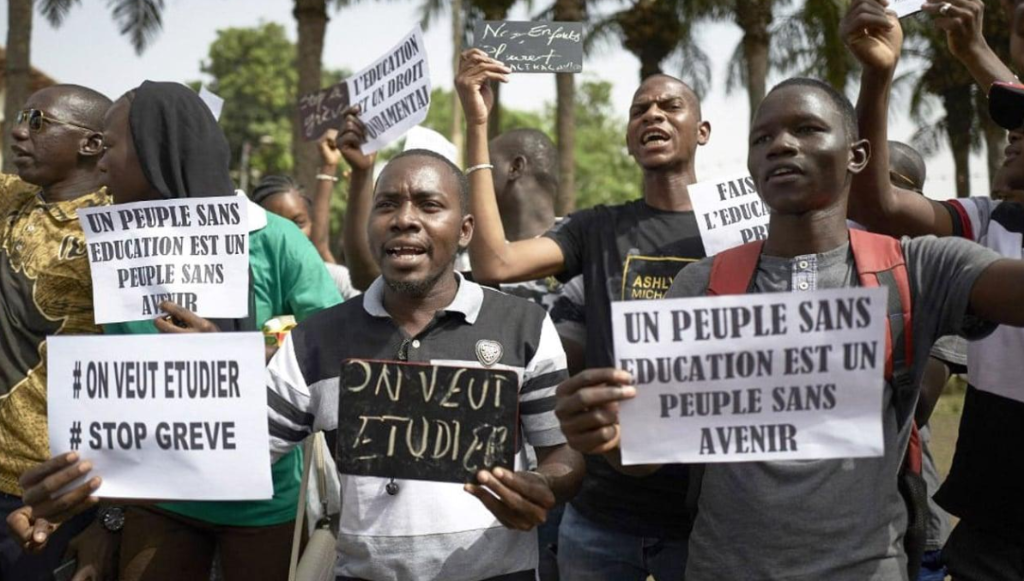
Three weeks of silence broken as Mali’s leaders face growing academic unrest
The prolonged standoff between Mali’s university lecturers and its transitional authorities has reached a critical juncture. After 22 days of continuous strikes paralyzing institutions across the country, the National Union of Higher Education and Scientific Research (SNESUP) announced meetings with the highest-ranking officials – a first direct response from the state. Yet with the walkout entering its fourth week, stakeholders wonder: will this engagement finally resolve a decade-long dispute over unpaid research bonuses?
The unrest, which began on October 26, stems from a 2017 presidential decree mandating a long-overdue research allowance for lecturers. Nearly nine years after its adoption, the promised payments remain unfulfilled, pushing educators to take unprecedented action. While the government’s delayed intervention has fueled frustration, the timing of these high-level discussions hints at mounting pressure to address the crisis.
A legal obligation stalled: the vanished research bonus
The heart of the conflict lies in Decree 2017-0850/P-RM, which guarantees additional compensation for lecturers engaged in scientific research, publications, and knowledge production. Despite being legally enshrined, the bonus has never materialized in paychecks, leaving educators to fund their own scholarly work while performing their duties.
The SNESUP’s core demands include:
- Fixed compensation structure for the research bonus
- Clear payment schedules and retroactive adjustments
- Transparent criteria for eligibility and disbursement
For lecturers, this is less a new demand than a fight for accountability. “We are not asking for favors,” stated a union spokesperson. “We are demanding the application of a law that the state itself enacted.” The prolonged delay has eroded trust in institutions, with educators questioning whether their contributions to national development are valued at all.
Universities at a standstill: students bear the brunt
The strike’s ripple effects are no longer confined to lecture halls. Over three weeks, exam schedules are thrown into disarray, semester timelines are threatened, and thousands of students face uncertain futures. The academic calendar, already fragile due to security challenges, now risks collapse if the impasse persists.
Earlier mediation attempts – including a November 7 intervention by local leaders – failed to halt the protests. “We need action, not words,” remarked one student leader in Bamako. “Every day lost pushes graduation further away.” With families investing in education amid economic hardship, the cost of inaction extends beyond campus walls.
Cautious optimism: will dialogue translate into resolution?
The SNESUP’s first-ever audience with top officials signals a shift in the government’s approach. Though details of the meeting remain undisclosed, union leaders have committed to consulting their members before deciding on next steps. For now, the strike continues – a sign that lecturers remain unconvinced by empty promises.
The stakes are high. If transitional authorities fail to deliver a concrete proposal, the crisis could escalate further, damaging Mali’s higher education system for years to come. Yet if they act decisively, this moment could mark the beginning of healing for a sector that has endured neglect for far too long.
One thing is clear: after nearly a decade of broken commitments, Mali’s teachers are no longer waiting for the future they were promised. They are demanding it – today.





