Mali’s proactive measures against seasonal floods in Bamako
8 juillet 2026In a significant effort to bolster Mali flood prevention, over 300 kilometers of drainage canals are scheduled for comprehensive cleaning in the capital city of Bamako. This vital campaign, aimed at clearing collectors and canals, carries an estimated cost of 3.5 billion FCFA, fully funded by the national budget. The operation commenced last week within the Bamako district, marking a crucial step in the nation’s strategy to mitigate flood risks.
While this initiative offers hope, it also sparks some apprehension among residents. Ismaël, a local mason, voiced a common concern regarding the often-unfinished nature of canal cleaning projects in Mali:
“This is a commendable effort. However, when canals are cleared, it’s crucial that the excavated debris isn’t left on the roadsides but is transported to its designated final disposal site. Otherwise, with the next rainfall, this debris could be washed back into the canals, re-clogging them and potentially causing further floods. This renders the work incomplete and ineffective.”
Facilitating natural water flow
Beyond the vital canal cleaning, another ongoing campaign focuses on restoring the natural flow of waterways by clearing riverbeds and associated easements. This operation specifically targets 700 illegally constructed structures and 11 different watercourses, with the dual objective of preventing future catastrophes and ensuring rainwater can drain naturally.
Samassé Traoré, an engineer specializing in sustainable development, believes this extensive effort could yield positive results in the broader context of Mali’s flood risk prevention. His insights underscore the importance of these Bamako current affairs initiatives.
“When we completely and efficiently clear the rainwater runoff zones, this action can only lead to positive outcomes. It’s essential to adequately clear both the minor and major riverbeds, along with their surrounding areas. This ensures that during heavy rains, all water can naturally evacuate from smaller rivers into the main river without excessive overflows. Failing to clear these easements simply perpetuates the risk of recurring floods.”
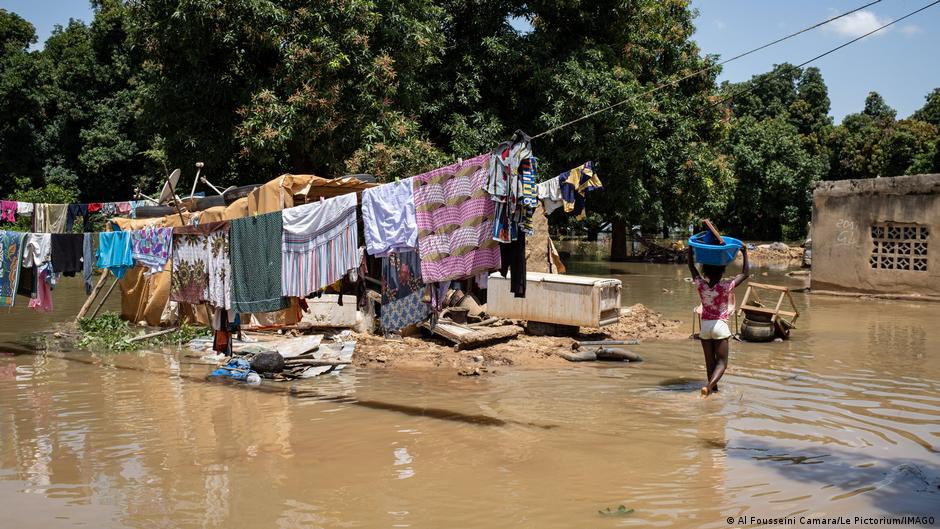
The urgency of these measures is underscored by the tragic events of 2024, when Mali experienced its most severe floods since 1967. Official figures indicated over 250,000 people were displaced, with women and children forming the majority of those affected. The disaster claimed dozens of lives and resulted in the collapse of thousands of homes, highlighting the critical need for robust Mali flood prevention strategies.