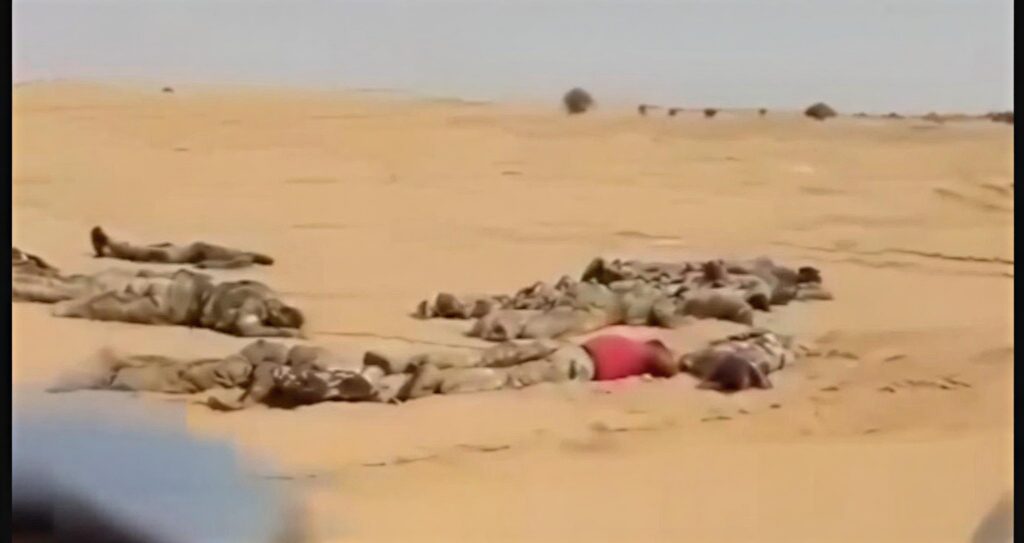
The discovery of alleged summary executions and torture of Malian soldiers in the country’s northern regions has sparked international outrage, with the United Nations joining local human rights groups in demanding an independent investigation. The unfolding violence, which involves the Malian army, Russian military instructors, and armed factions, has left the transitional government in Bamako facing a mounting crisis of accountability and credibility.
Northern Mali: soldiers executed after capture, UN calls for justice
Following intense clashes in northern Mali, disturbing reports and social media footage have emerged, detailing the brutal treatment of soldiers from the Malian Armed Forces (FAMa). Dozens of troops, reportedly taken prisoner during ambushes on military convoys, were subjected to torture before being executed while defenseless. The United Nations High Commissioner for Human Rights swiftly condemned these acts as potential war crimes, emphasizing that under the Geneva Conventions, such treatment of prisoners of war—regardless of the perpetrators—constitutes a grave violation of international humanitarian law.
Bamako’s uneasy silence amid growing scrutiny
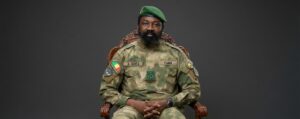
The transitional military government in Bamako has yet to issue an official response, despite mounting pressure from human rights organizations and global institutions. This silence has intensified public skepticism both domestically and abroad. Traditionally vocal about external interference or operational successes, the junta led by Colonel Assimi Goïta now faces a critical dilemma:
- Strategic vulnerability: Acknowledging these setbacks and admitting the massacre of its own soldiers would undermine the government’s narrative of a strengthening security apparatus.
- Eroding trust: Failing to address the grievances of victims’ families and local NGOs risks deepening fractures within the military ranks and alienating public support.
Civilian abuses: a historic stain on Malian military operations
The UN’s call for an investigation into the slain soldiers comes at a time when Mali’s security landscape is already marred by persistent allegations of human rights violations. Reports from the United Nations and international watchdogs have repeatedly implicated the Malian army and its Russian allies—formerly linked to the Wagner Group and now operating under the so-called Africa Corps banner—in widespread abuses against civilians:
- Mass civilian killings: Infamous incidents, such as the 2022 Moura massacre—where hundreds were reportedly executed—continue to cast a long shadow over military operations.
- Arbitrary detentions and torture: Residents in Mopti, Gao, and Ménaka frequently report cases of unlawful arrests, looting, and torture during joint military and Russian-led operations.
- Targeting of pastoral communities: Ethnic groups like the Fulani and Tuareg have borne the brunt of disproportionate violence, often accused—without evidence—of collaborating with insurgents or jihadist factions.
This cycle of violence, exacerbated by the absence of accountability, fuels a climate of impunity that further radicalizes local populations and drives recruitment into armed groups.
Sahel’s descent into lawlessness: the cost of unchecked power
The withdrawal of international forces, including the former MINUSMA mission at Bamako’s request, has left the region in a precarious state of isolation. With no independent oversight, civilians and soldiers alike remain trapped in a deadly spiral of retribution and lawlessness. Analysts warn that the so-called war on terror is increasingly morphing into a cycle of vengeance, where all parties disregard fundamental humanitarian principles.
The combined pressure from local NGOs and the UN represents a pivotal moment in Mali’s security crisis. By demanding transparency over the fate of executed soldiers, the international community is sending a clear message: justice cannot be applied selectively. The question now is whether the junta will break its silence to initiate transparent investigations—or continue to ignore these appeals, risking further isolation and perpetuating the cycle of atrocities.