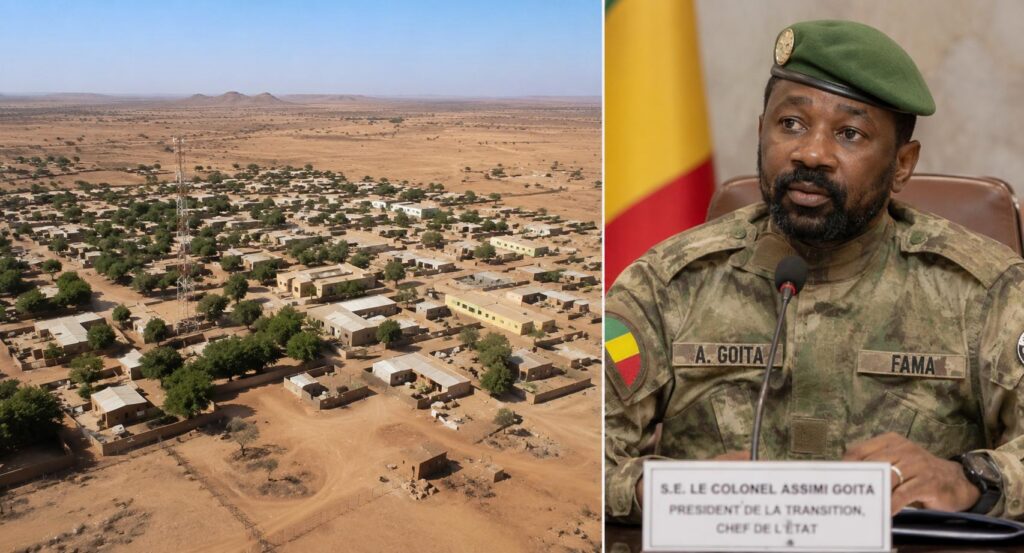
In Bamako, crisis communication has evolved into a carefully choreographed performance. On August 12, 2026, the Direction of Information and Public Relations of the Armed Forces (DIRPA) once again unveiled its latest set of staggering figures. Colonel-major Bakary Bocar Maïga presented a stunning tally for June and July: 1,850 ‘neutralised’ terrorists, 45 bases destroyed, and hundreds of vehicles and motorcycles reduced to ashes. Yet beneath the bravado lies a troubling pattern—one where precision meets opacity, and claims outpace verifiable evidence.
Statistics that strain credibility
The sheer scale of the figures raises immediate questions. How can a military force, no matter how committed, claim to have eliminated nearly two thousand armed opponents in just eight weeks without presenting independent verification? In West Africa’s conflict zones, military narratives increasingly sidestep the need for substantiation. No neutral observers, civil society groups, or external monitors have been granted access to contested areas to validate these assertions.
The term ‘neutralised’ itself remains frustratingly vague. Does it encompass armed combatants killed in action, suspects detained during sweeps, or civilians caught in crossfire within regions sealed off from outside scrutiny? Without named lists, transparent identification protocols, or forensic reports, the line between militants and non-combatants blurs dangerously.
On-the-ground reality contradicts official triumphs
Yet the most glaring contradiction lies in the disconnect between Bamako’s triumphant declarations and the persistent insecurity gripping Mali. If the military’s claims were accurate, why do major roads remain hotspots for ambushes? Why must convoys transporting essential supplies still rely on heavy military escorts if rebel sanctuaries have truly been dismantled?
Recent assaults on strategic outposts such as San and Konna, alongside coordinated offensives by the Jama’at Nusrat al-Islam wal Muslimin (JNIM) in northern and eastern regions, paint a starkly different picture. Far from being ‘severely weakened,’ armed groups continue to demonstrate operational adaptability and coordination—launching attacks on key garrisons even as the DIRPA celebrates sweeping victories.
Information lockdown fuels scepticism
This communication strategy does more than shape public perception—it serves a deeper political purpose. By showcasing dramatic military outcomes, Bamako seeks to justify its strategic pivot, including the controversial Plan Dougoukoloko and the deepening partnership with the Russian-contingent Africa Corps. The need to justify shifting alliances and substantial state investments demands a narrative of imminent triumph, regardless of ground realities.
By restricting information flows and stifling dissenting analyses of security developments, the authorities in Bamako enforce a single, unchallenged storyline—one where victory is always on the horizon, yet never substantiated. Until the DIRPA abandons its reliance on inflated figures in favour of genuine transparency, each new report will only deepen the scepticism of those who endure the escalating insecurity firsthand.