Military Reorganization Raises Questions About Financial Priorities
The recent decision by Mali’s military leadership to split the Garkoi operation into two separate tactical headquarters—Akarasse along the Algerian border and Klafoki along the Chadian frontier—has ignited intense debate among security analysts and governance observers. While official statements emphasize improved efficiency and coordination, critics argue that this move is little more than an expensive bureaucratic maneuver masking deeper systemic failures.
Financial Burden Amid Social Crisis
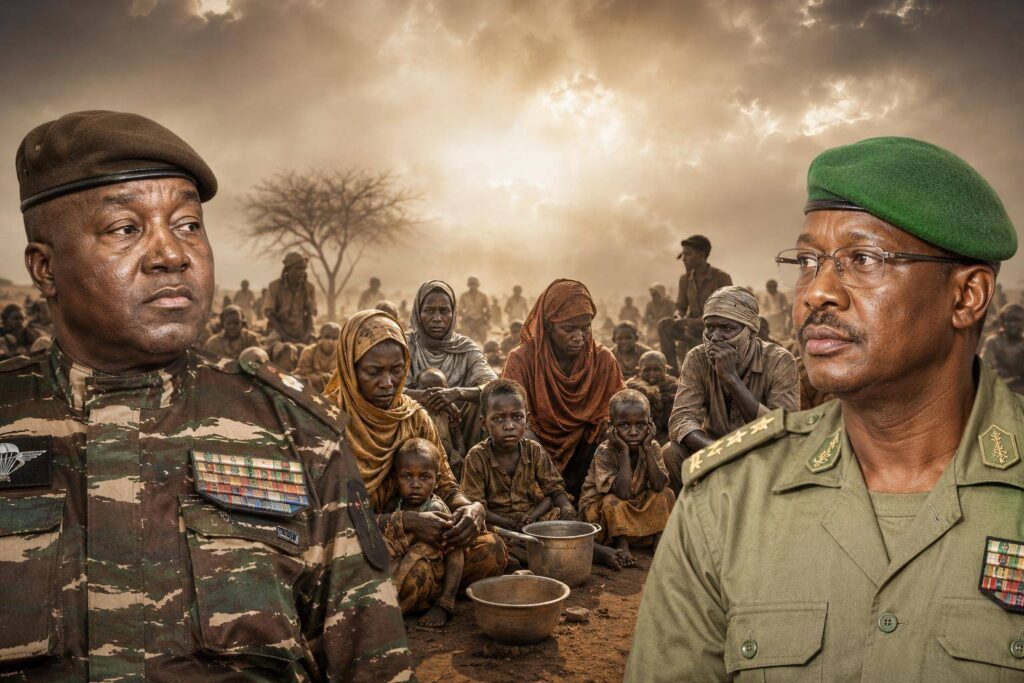
The creation of two new military commands demands the establishment of an entirely new command structure, complete with high-ranking officers, detachment leaders, and support staff. Analysts highlight the ethical and economic contradictions of this decision, particularly as Mali grapples with an unprecedented social crisis. While the state allocates substantial resources to sustain these new headquarters in regions like Bilma and Arlit, essential public services remain critically underfunded. The plight of contract teachers, many of whom have gone months without pay, exemplifies the stark contrast between military expenditures and the hardships faced by ordinary citizens. Funding lavish offices for military elites while neglecting vital public servants is widely condemned as a reckless misuse of public funds.
Military Pressure Forces Tactical Fragmentation
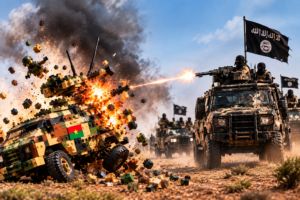
Beyond financial concerns, the reorganization reveals an uncomfortable truth: Mali’s armed forces are increasingly stretched thin by relentless attacks from armed groups. Had security conditions been stable, the original Garkoi operation would have remained sufficient. However, the need to establish two specialized commands simultaneously underscores the overwhelming pressure exerted by terrorist organizations—including affiliates of Al-Qaeda, the Islamic State, and Boko Haram. This fragmentation is a clear admission that the military’s centralized command structure can no longer effectively manage the expanding threat along the country’s borders.
The deployment of Akarasse and Klafoki signals not a proactive strategy but a desperate attempt to contain breaches at opposite ends of the nation. For taxpayers, the cost is substantial. For the Malian people, already enduring widespread hunger and deprivation, the burden is unbearable. Most concerning of all, this reorganization exposes a troubling reality: Mali’s security apparatus is struggling to keep pace with an intensifying insurgency, raising serious doubts about the nation’s long-term stability.