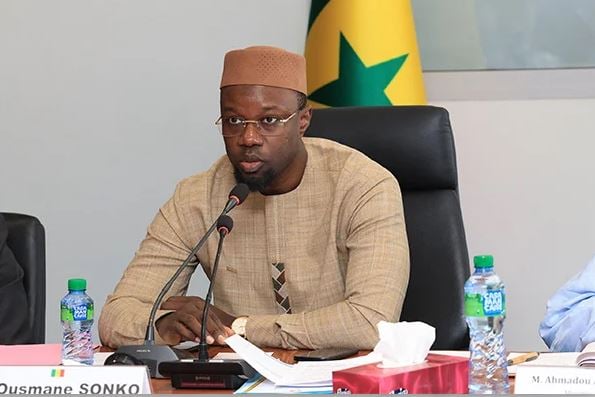
Senegal’s Prime Minister unveils bold reforms for markets, agriculture and digital transformation
During a recent Council of Ministers meeting, Prime Minister Ousmane Sonko outlined sweeping reforms aimed at revitalizing Senegal’s markets, boosting agricultural output, and accelerating public service digitalization. With a 57.5 billion FCFA investment plan, the government seeks to enhance governance efficiency and strengthen inter-ministerial coordination.
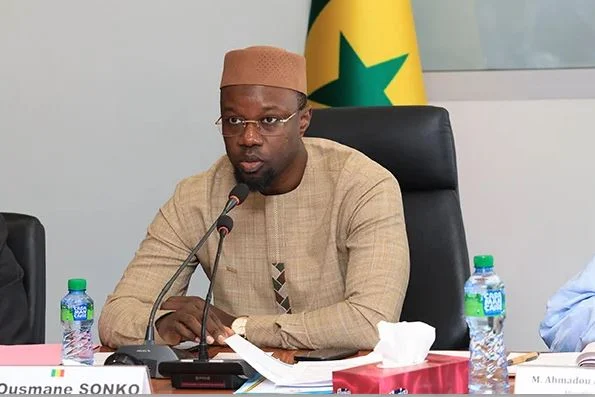
In a decisive move to modernize Senegal’s economic infrastructure, the Prime Minister emphasized four critical priorities during the Council of Ministers session. The initiatives target market revitalization, agricultural season preparation, flood prevention measures, and the acceleration of the Senegal Connect Park project.
Comprehensive market modernization program launched
The government has identified severe structural deficiencies in the country’s market infrastructure, with many facilities dating back to the 1970s showing dangerous levels of deterioration. Between 2013 and 2024, 53 markets were destroyed by fires, exposing critical vulnerabilities in the sector’s safety protocols.
To address these challenges, the Programme de Modernisation et de Gestion des Marchés (PROMOGEM) has been established with a strategic plan running from 2025 to 2029. This ambitious initiative will oversee the restructuring of 528 existing markets while constructing 67 new modern facilities across Senegal. The Prime Minister has called for institutional reforms within PROMOGEM to grant it greater administrative and financial autonomy, backed by a 57.5 billion FCFA allocation from the public investment plan.
The modernization effort will implement a nationwide network of contemporary markets, with rigorous management involving both local authorities and domestic private sector partners.
Agricultural campaign targets transparency and digital innovation
As preparations begin for the 2026-2027 agricultural season, the Prime Minister highlighted progress in certified seed and fertilizer production through the Institut Sénégalais de Recherches Agricoles (ISRA) and Instituts Centraux de Semences (ICS). However, persistent obstacles remain, including incomplete seed autonomy, challenges in targeting agricultural input beneficiaries, limited access to farm credit, and inadequate storage infrastructure.
The government is prioritizing digital transformation in agriculture, having already piloted successful programs in areas like Tivaouane and Nioro. This digital push aims to enhance transparency in input pricing while ensuring consistent distribution across all regions of Senegal.
Flood prevention measures take center stage ahead of rainy season
With the rainy season approaching, the Prime Minister has mobilized multiple government ministries to implement urgent flood prevention measures. Key actions include dredging drainage systems, inspecting critical infrastructure, and pre-positioning emergency response teams.
The government has mandated the updating of communal emergency plans, strengthening early warning systems, and conducting a comprehensive inter-ministerial simulation exercise before June 15, 2026.
Senegal Connect Park faces final hurdles
The national digital transformation flagship project, Senegal Connect Park, has achieved 95% physical completion despite facing financial and contractual challenges that have delayed its finalization. The Prime Minister has directed competent authorities to submit a realistic completion timeline to the Banque Africaine de Développement (BAD) while accelerating negotiations with the Banque Ouest-Africaine de Développement (BOAD) and concession discussions.
This strategic infrastructure aims to bolster Senegal’s digital sovereignty, drive innovation, and accelerate the growth of the digital economy.