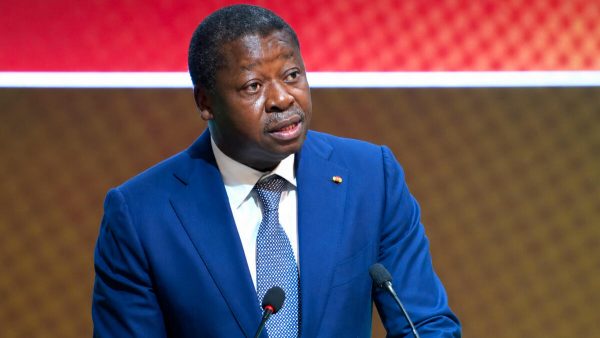
The call was unambiguous. At the opening of the third edition of the Biashara Afrika pan-African forum in Lomé on Monday, the Chair of the Council, Faure Essozimna Gnassingbé, urged African leaders to move beyond political ambitions and focus on tangible economic outcomes that foster sustainable growth and deeper continental integration.
Lomé has once again cemented its role as a hub for pragmatic African commerce. The Togolese capital drew decision-makers from across the continent for the third edition of Biashara Afrika, a high-level forum on intra-African trade and investment, co-organized by the Secretariat of the African Continental Free Trade Area (AfCFTA) and the Togolese government. Under the banner of decisive action, the event set the tone for a continent ready to turn plans into progress.
Togo leads by example in Africa’s single market drive
Instead of dwelling on theoretical debates, Faure Gnassingbé presented Togo’s roadmap as a living proof of what’s possible. Positioned strategically, the country leverages its infrastructure to become a key player in the AfCFTA:
- A strengthened regional connectivity network to smooth trade corridors.
- A top-tier logistics hub anchored by its deep-water port—unmatched in the subregion.
- Bold structural reforms consistently recognized for enhancing the business environment.
By showcasing this model, Lomé aims to prove that economic integration in Africa can yield immediate and measurable dividends—provided political will aligns with the needs of businesses.
AfCFTA’s staggering scale meets stubborn barriers
The stakes for the AfCFTA are unparalleled globally. This ambitious initiative seeks to unite a vast market:
AfCFTA by the numbers:
- 55 member states, forming the world’s largest free trade zone.
- 1.4 billion consumers with a combined GDP of roughly $3.4 trillion.
Yet, this promising vision still clashes with persistent hurdles. The Biashara Afrika forum took direct aim at the bottlenecks stifling intra-African trade. Key priorities highlighted by participants include:
- Removing non-tariff barriers that slow cross-border transactions.
- Addressing chronic infrastructure gaps that inflate costs.
- Easing access to financing for businesses, especially SMEs.
- Revamping fragmented value chains to boost competitiveness.
- Ensuring small and medium-sized enterprises aren’t left on the sidelines of the single market.
From pledges to progress: the time for action is now
“We must move from words to measurable results,” declared a Kenyan entrepreneur at the forum, echoing Faure Gnassingbé’s rallying cry. A Nigerian economist added, “The AfCFTA won’t gain credibility until SMEs are fully embedded in this unified market.” These sentiments reflect the urgent demand from economic actors for swift, inclusive implementation.
Beyond technical discussions, Biashara Afrika reflects a broader geopolitical momentum: Africa’s drive to assert itself in global trade. The AfCFTA is seen as a strategic response to globalization challenges and rising trade tensions. The message from Lomé is clear—there’s no room left for delay. Africa possesses the legal frameworks, natural resources, and human capital needed. The challenge now is execution, not vision.