Gulf of Guinea security: Togo champions integrated prevention approach
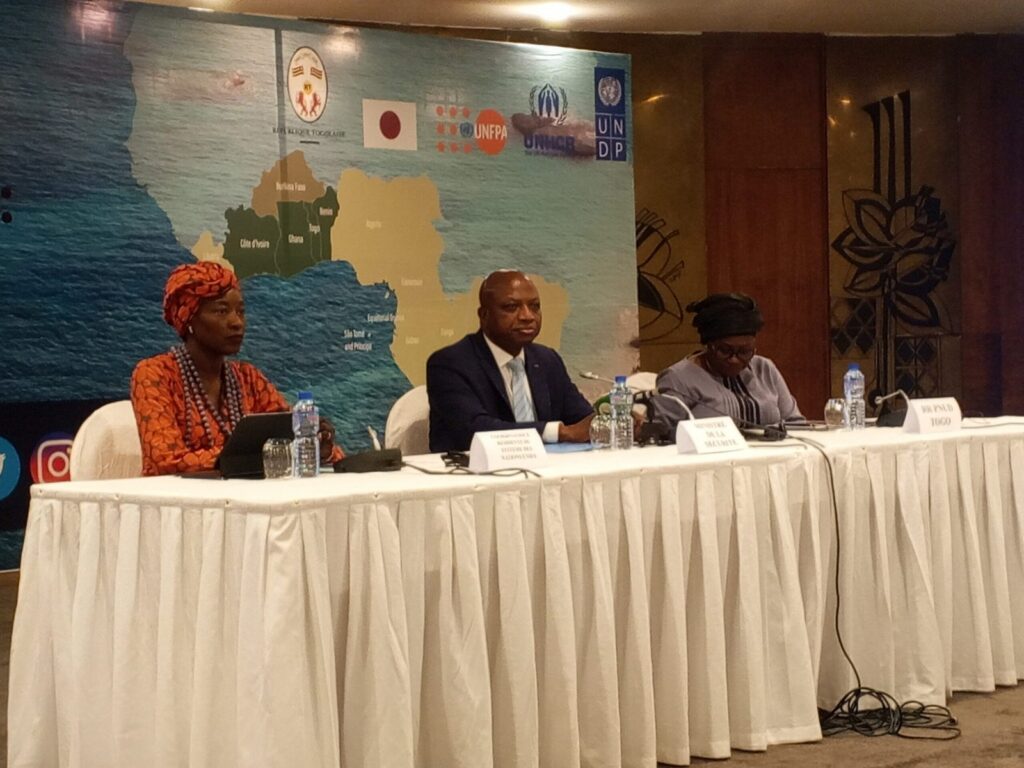
Lomé is currently hosting a landmark regional dialogue focused on strengthening preventive measures across the Gulf of Guinea. Since June 3, 2026, government representatives, regional institutions, United Nations agencies, technical partners, financial backers, and community leaders have gathered to discuss collaborative frameworks for peace consolidation and conflict prevention in West Africa.
The opening session featured a keynote address by Togo’s Minister of Security, Calixte Madjoulba, who delivered a powerful message about the region’s evolving security landscape. He emphasized that enduring stability in the Gulf of Guinea demands more than reactive measures—it requires a unified, forward-looking strategy that addresses both immediate threats and underlying vulnerabilities.
Converging crises threaten regional stability
The minister painted a stark picture of the challenges facing the Gulf of Guinea. A toxic mix of violent extremism, transnational organized crime, illicit trafficking, unregulated arms flows, communal tensions, and climate-related disruptions is eroding social and economic foundations across the subregion.
The spillover effects of the Sahel crisis further compound these pressures, forcing mass displacements and straining local resources and host communities. Madjoulba cautioned that no single nation can tackle these threats alone, stressing that the scale of the problem transcends national borders and demands collective action.
Togo advocates for holistic security beyond military responses
For the Togolese government, security cannot be reduced to military or policing actions. Under the leadership of Prime Minister Faure Essozimna Gnassingbé, Togo has adopted a comprehensive approach that intertwines security with development, social cohesion, and resilience-building. The strategy rests on three pillars: reducing inequality, improving governance, improving youth employment opportunities, and strengthening community resilience.
Madjoulba framed this approach as the triad of “Protect, Unite, Transform”—a guiding principle for national policy and a model for regional cooperation. He described each component as essential:
- Protect: Ensuring the safety of citizens and upholding peace.
- Unite: Fostering dialogue, rebuilding trust between communities and institutions, and reinforcing social cohesion.
- Transform: Addressing root causes of vulnerability through economic opportunity creation, reducing disparities, and building resilient communities.
From promises to action: the urgency of tangible results
The dialogue’s theme, “From Commitment to Impact,” reflects a shared determination to move beyond rhetoric and implement measurable outcomes. Participants are urged to translate political will into practical solutions that respond to the daily realities of Gulf of Guinea communities.
Madjoulba insisted that citizens expect mechanisms capable of early crisis detection, proactive conflict prevention, and long-term resilience strengthening. He called on states and partners to deliver visible results—anticipating crises is not only smarter than managing them, it is more cost-effective and sustainable.
United Nations partners commit to prevention and resilience
The Togolese minister also highlighted the critical support from United Nations entities, including the United Nations Development Programme (UNDP), United Nations Population Fund (UNFPA), and Office of the United Nations High Commissioner for Refugees (UNHCR). Through the Joint Prevention Facility 2026–2029 for the Gulf of Guinea, these agencies are backing a prevention-focused agenda centered on community resilience and inclusive economic development.
Participants view this initiative as a major opportunity to deepen regional cooperation, share best practices, and mobilize sustainable financing in response to emerging threats.
Lomé’s vision: a roadmap for peace and long-term resilience
Over two days of intensive discussions, delegates are expected to finalize a bold regional roadmap. The strategy aims to enhance prevention mechanisms, strengthen cross-border collaboration, secure sustainable funding, and improve monitoring of ongoing initiatives.
By hosting this dialogue, Togo is reaffirming a core conviction: prevention is one of the most strategic investments for peace, security, and sustainable development in the Gulf of Guinea. In a region grappling with multidimensional challenges, the message from Lomé is unequivocal—proactive action today is the surest path to a stable and prosperous future.