Gabon faces tough parliamentary scrutiny over key national issues
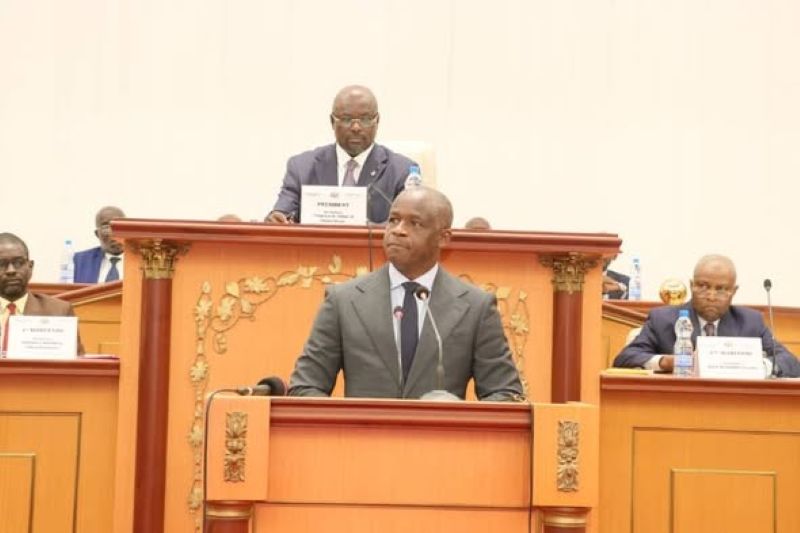
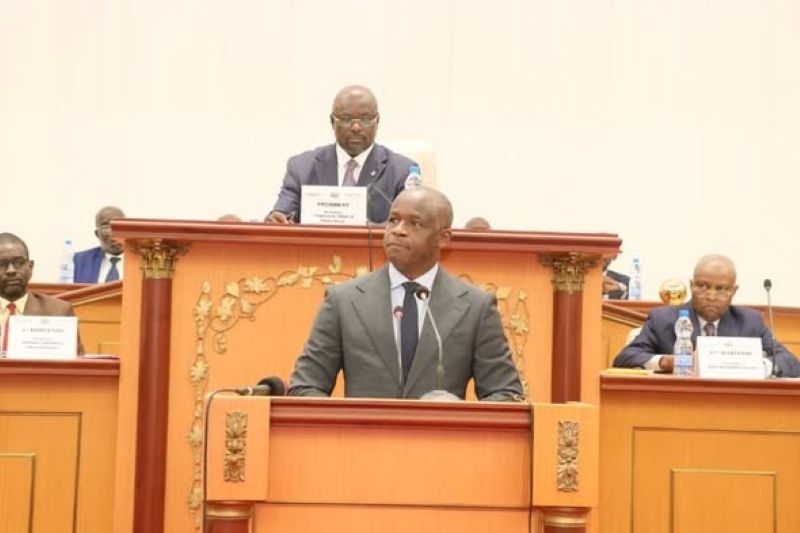
Libreville, June 3, 2026 – In a pivotal session at the National Assembly, Gabon’s lawmakers subjected the government to intense scrutiny, reflecting the nation’s pressing concerns.
The Tuesday session marked a significant moment in the 14th legislature’s tenure. Beyond routine parliamentary procedure, lawmakers seized the opportunity to address critical issues affecting Gabonese citizens: purchasing power, education, healthcare, security, employment, and economic sovereignty. At the Palais Léon Mba, deputies posed nearly twenty direct questions to government representatives, setting the stage for the upcoming June 15 National Parliament Congress where President Brice Clotaire Oligui Nguema will deliver his State of the Nation address.
Youth challenges take center stage
One of the most pressing concerns raised involved the alarming spread of drugs and addictive substances in schools. Vice-President of the National Assembly Huguette Tsono questioned Vice-President of the Government Hermann Immongault, who acknowledged the severity of the issue while reaffirming the state’s commitment to protecting educational institutions.
This problem extends far beyond classrooms. With young people comprising the majority of Gabon’s population, combating addiction has become a strategic imperative for social stability and human development. The same urgency was evident in education debates, where Minister of State Camélia Ntoutoume-Leclercq fielded inquiries about national education reforms. While confirming progress according to the government’s schedule, she acknowledged that families’ expectations remain high, demanding sustained, long-term improvements in the educational system.
Economic sovereignty drives policy shifts
Economic questions dominated much of the discussion. The phased ban on imported chicken sparked debate about the government’s new economic direction. Minister of Agriculture Pacôme Kossy explained that this measure aims to build a robust national poultry industry capable of meeting domestic demand while creating jobs. This policy reflects a broader vision: reducing Gabon’s food dependency and strengthening local production.
Similar objectives underpin the mining reforms presented by Minister of Mines Sosthène Nguema Nguema. The announced ban on exporting raw manganese aligns with a strategy to capture greater value-added processing within Gabon’s borders. This represents a departure from traditional raw material export models, mirroring trends seen across Africa as nations seek to industrialize their natural resources.
Social welfare remains a priority
Everyday concerns also featured prominently in the debates. Delays in issuing national identity cards and passports were raised with Interior Minister Adrien Nguema Mba, particularly affecting citizens in remote regions where administrative access is limited. The challenges faced by retirees, CNAMGS beneficiaries, people with disabilities, and single mothers were similarly highlighted before Social Affairs Minister Armande Longo épouse Moulengui. These issues underscore that economic growth alone cannot address the population’s immediate needs without tangible improvements in living conditions.
Parliament regains its oversight role
Beyond ministerial responses, this session signaled a resurgence of the National Assembly as a forum for public debate. By addressing such diverse topics as food security, industrial transformation, education, healthcare, and administrative governance, lawmakers reaffirmed their constitutional oversight function. President of the National Assembly Michel Régis Onanga Ndiaye closed the session by emphasizing the significance of the upcoming Parliament Congress, which will assess progress on major reforms implemented since the Transition.
This inaugural oral questioning session of the 14th legislature serves as a barometer of Gabon’s trajectory. The country is clearly engaged in profound transformations, yet faces enormous social expectations. Between economic sovereignty, state modernization, and improving citizens’ daily lives, the government is now judged not just on its ambitions but on delivering visible results. This will determine the credibility of Gabon’s public action in the months ahead.