The 12th African Think Tanks Summit (#ATTS2026) kicks off in Cotonou this week, bringing together policymakers, economists, and development partners to confront a critical question: How can Africa’s growing energy access translate into real economic momentum and lasting prosperity? Running from October 28 to 30, this year’s summit zeroes in on one of the continent’s most pressing challenges—turning electricity from a basic service into a growth engine for industries, jobs, and national economies.
From power lines to economic transformation
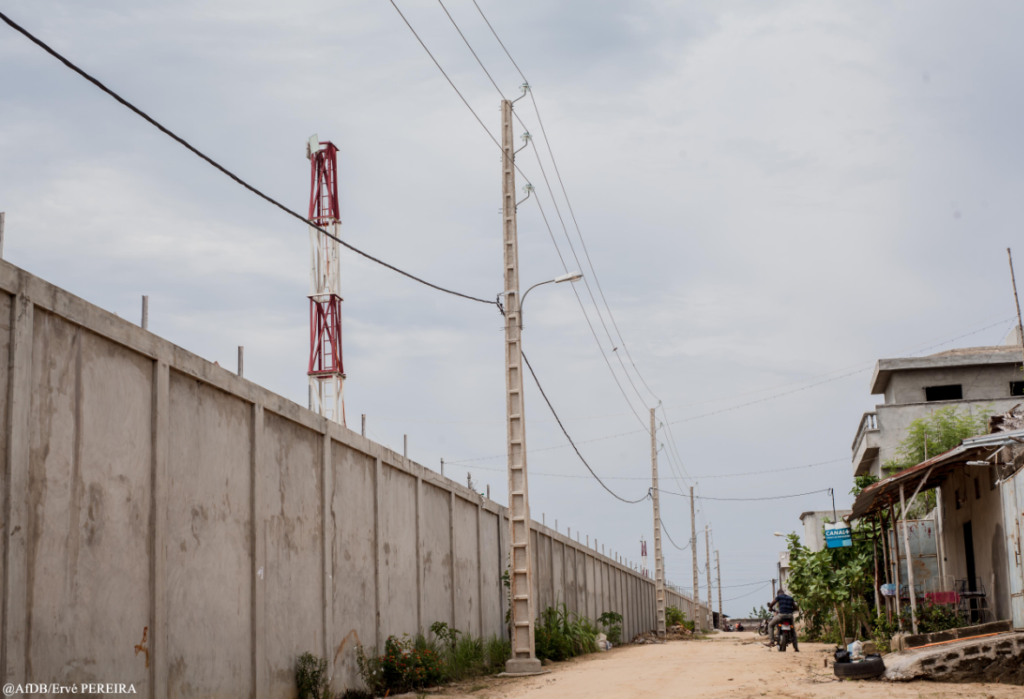
While connecting homes and businesses to the grid remains a priority, experts agree it’s no longer enough. The true measure of success lies in whether that electricity is reliable, affordable, and strategically deployed to support agriculture, manufacturing, and services. Without these conditions, even the most ambitious electrification plans risk falling short of sparking meaningful development.
At the summit, discussions are shifting focus toward the quality of energy systems—how stable supply, cost efficiency, and sector-specific availability can unlock productivity gains, attract investment, and create jobs across urban and rural landscapes.
Bénin leads by example: linking energy policy to real outcomes
The Beninese government is using the forum to emphasize measurable impact. In the opening session, Finance Minister Aristide Médenou stressed that energy policies must be judged not just by the number of new connections, but by their tangible contribution to business growth, agricultural productivity, and household well-being. The message is clear: Power infrastructure should serve as a foundation for broader economic and social transformation, not just an end goal in itself.
Institutional strength as the backbone of progress
ACBF Executive Secretary Mamadou Biteye highlighted a key insight: Strong institutions are the driving force behind turning energy reforms into economic gains. Without effective regulation, skilled workforce development, and coordinated action among governments, utilities, and investors, even well-funded projects can struggle to deliver lasting benefits. The summit is exploring frameworks that empower local institutions to design, implement, and evaluate energy strategies that align with national economic priorities.
The urban dimension: how electricity powers cities and livelihoods
Cotonou’s Mayor Luc Gnacadja underscored the local impact of energy access, linking reliable electricity to thriving markets, better public services, and improved quality of life. In cities across Africa, energy underpins everything from street lighting and sanitation to small business growth and digital inclusion. By integrating energy policy into urban planning, cities can become hubs of innovation and economic opportunity.
Financing the leap: balancing investment with sustainability
The cost of modernizing energy infrastructure remains a central challenge. Delegates are examining innovative financing models that balance fiscal responsibility with the need for inclusive, affordable energy. Discussions include public-private partnerships, regional cooperation on energy trade, and blended finance tools designed to de-risk investments while keeping tariffs manageable for consumers and businesses.
A continental call to action
The summit’s diversity—spanning government officials, regional bodies like the AU and AfDB, and think tanks—reflects a shared recognition: Africa’s energy future will be shaped by collective action. Success hinges not only on technical solutions but on policy coherence, institutional capacity, and political will to translate commitments into on-the-ground progress.
As debates continue through October 30, Cotonou is emerging as a pivotal space where energy isn’t just discussed—it’s positioned as the catalyst for a new wave of African economic growth. The ultimate test will be whether these conversations lead to policies that turn electricity from a utility into a driver of jobs, industrialization, and shared prosperity.