
As West Africa’s economic engines rev up for 2026, a fresh face emerges at the top of the regional growth chart. Ghana is poised to overtake Ivory Coast in gross domestic product, according to the latest International Monetary Fund forecasts. The shift marks a significant moment in the economic rivalry between these two neighboring powerhouses.
Ghana’s economic surge
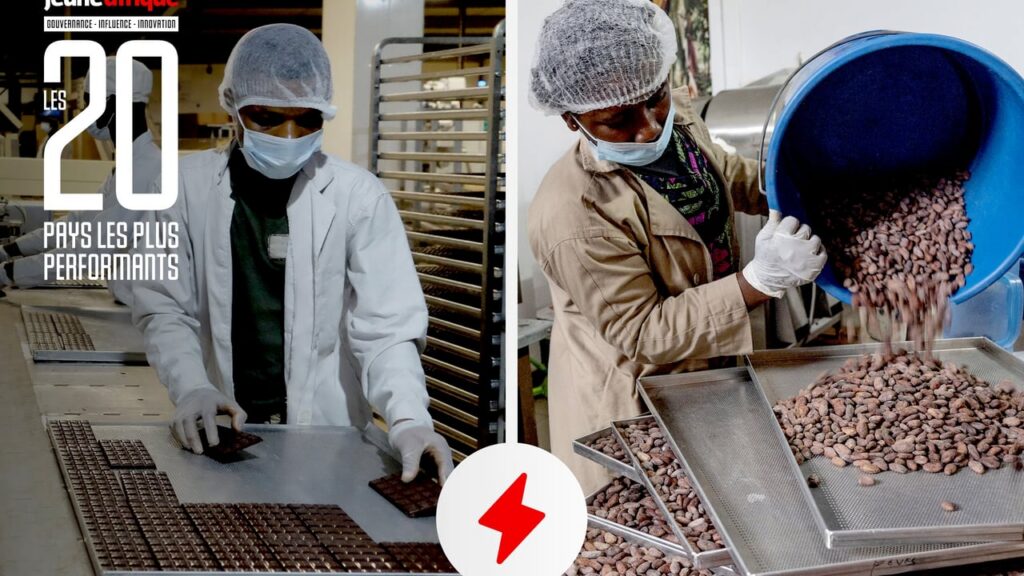
Ghana’s GDP is projected to hit $118 billion this year, climbing past Ivory Coast’s expected $110 billion. This upward trajectory reflects steady expansion across key sectors, particularly in cocoa production and oil exports. The country’s economic rebound follows years of stabilization programs and structural reforms that are now bearing fruit.
The West African nation has benefited from stronger-than-expected global commodity prices, which have boosted earnings from its primary export sectors. Additionally, improved fiscal policies and debt management strategies have enhanced investor confidence, creating a more favorable business environment.
Ivory Coast’s resilient growth
While Ghana claims the lead in nominal GDP, Ivory Coast continues to demonstrate remarkable economic resilience. The country remains a regional agricultural powerhouse, with coffee and cocoa production driving much of its growth. Its GDP growth rate has consistently outpaced many of its neighbors, despite external pressures.
The Ivorian economy has maintained steady growth through infrastructure investments and diversification efforts. Sectors like services and light manufacturing are expanding, providing a buffer against volatility in global markets. This balanced approach has kept the country’s economy on a stable upward trend.
Key factors behind the numbers
- Commodity prices: Both nations are heavily influenced by global prices for their primary exports, though Ghana’s broader economic base gives it an edge in overall GDP figures.
- Investment climate: Ghana’s recent reforms have made it more attractive to foreign investors, particularly in the energy and mining sectors.
- Debt management: Ivory Coast has maintained lower debt levels relative to Ghana, though the latter’s debt-to-GDP ratio has improved significantly in recent years.
- Agricultural output: Ivory Coast’s dominance in cocoa production ensures steady foreign exchange earnings, supporting its economic stability.
What this means for investors
The shifting economic landscape presents new opportunities for businesses and investors. Ghana’s rise could attract more capital into its expanding sectors, while Ivory Coast’s consistent growth offers a reliable alternative in a region often marked by volatility.
For multinational corporations, the choice between these two markets may depend on specific industry strengths. Ghana’s dynamic growth could appeal to those seeking higher-risk, higher-reward opportunities, while Ivory Coast’s steady expansion provides a safer long-term bet.
Looking ahead to 2027
Both nations continue to implement ambitious economic plans. Ghana’s government is focusing on industrialization and job creation, while Ivory Coast is investing heavily in infrastructure to maintain its competitive edge. The coming years will reveal whether Ghana can sustain its newfound lead or if Ivory Coast’s resilience will allow it to reclaim the top spot.
One thing is certain: West Africa’s economic landscape is evolving rapidly, and these two nations will remain at the forefront of the region’s growth story.