From Conakry to Bamako: a clandestine arms route
In recent months, investigators have uncovered a complex logistics chain linking the port of Conakry in Guinea to military deployments in Mali. Shipments originating from Russian ports, often under the guise of commercial cargo, are making their way through West Africa before reaching their final destination. This evolving trade route raises serious concerns about the proliferation of Russian-supplied weaponry in the Sahel.
How the transshipment operates
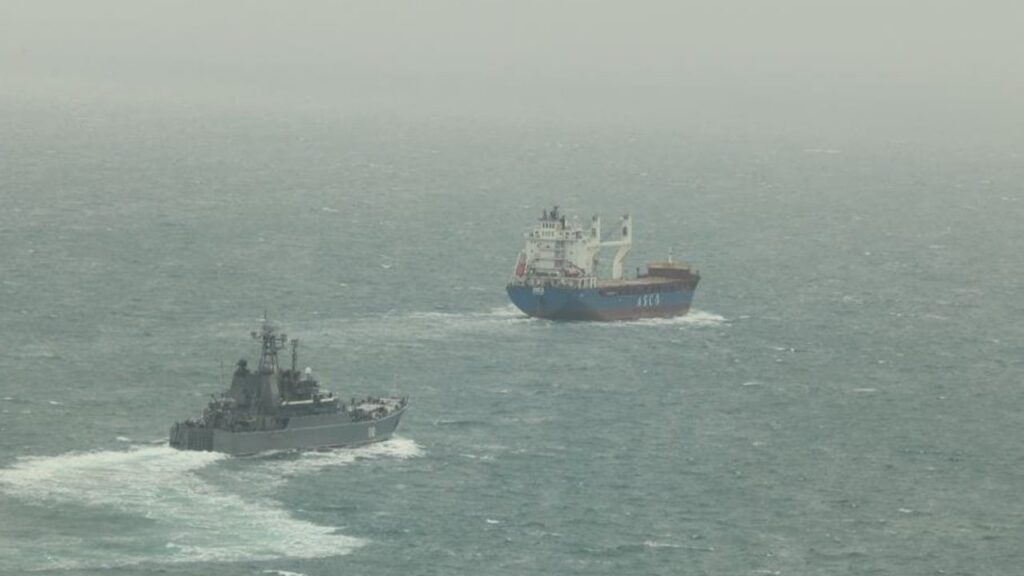
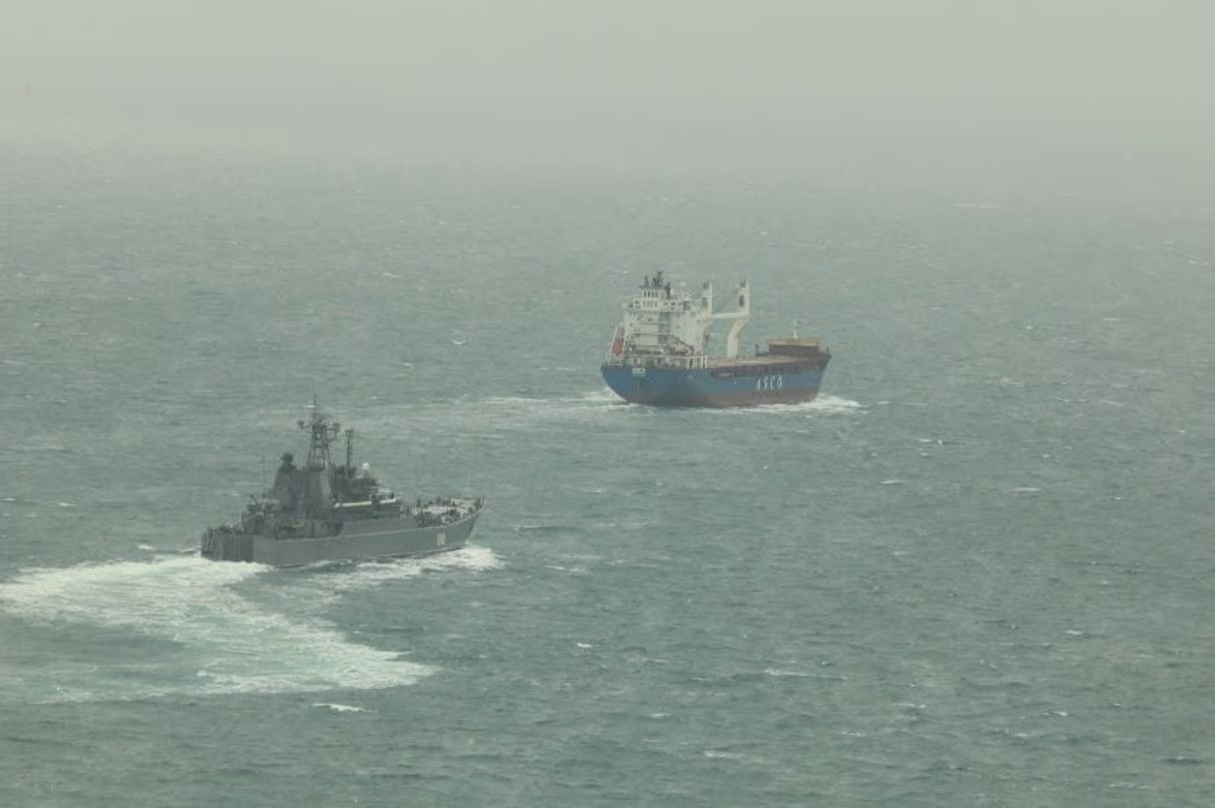
The process begins with cargo vessels like the Sabetta, which have been observed navigating international waters under Russian naval escort. These ships frequently stop in Conakry, where their contents are transferred to smaller vessels bound for Malian ports. The operation relies on a network of intermediaries, some of whom operate openly while others remain in the shadows, exploiting gaps in regional maritime oversight.
Key figures in this network include local port authorities, customs officials, and logistics companies with ties to both Russian and Malian entities. The cargo itself is often labeled as industrial equipment or humanitarian aid to avoid scrutiny, despite evidence suggesting the presence of military-grade hardware.
Who benefits from this flow?
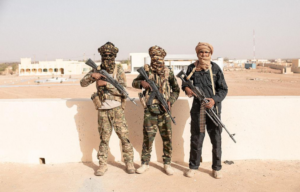
While the primary beneficiaries are the armed groups and state actors in Mali receiving these shipments, the wider implications extend across the Sahel. The involvement of the Africa Corps—a Russian-backed security contingent—has drawn particular attention, as its operations in Mali have intensified alongside these arms transfers. Leaders in Bamako have neither confirmed nor denied their collaboration, leaving analysts to piece together the puzzle from circumstantial evidence.
The Guinean government, led by Mamadi Doumbouya, finds itself at the center of this controversy. While Conakry has not publicly acknowledged the scale of these activities, diplomatic sources suggest that pressure from international partners may soon force a reckoning. The port’s role as a transit hub has put Guinea in the crosshairs of regional security discussions, with calls for stricter monitoring of maritime traffic.
What’s next for regional stability?
The discovery of this route underscores the challenges faced by West African nations in curbing illicit arms trafficking. With Mali’s security landscape already fragile, the arrival of additional Russian-supplied weaponry could further destabilize the region. Regional blocs like ECOWAS are now under pressure to address this loophole, though enforcement remains inconsistent.
For now, the port of Conakry continues to serve as a critical, if controversial, node in this covert supply chain. As long as demand for Russian arms persists in the Sahel, the flow of weapons is unlikely to abate—leaving neighboring countries to grapple with the consequences.