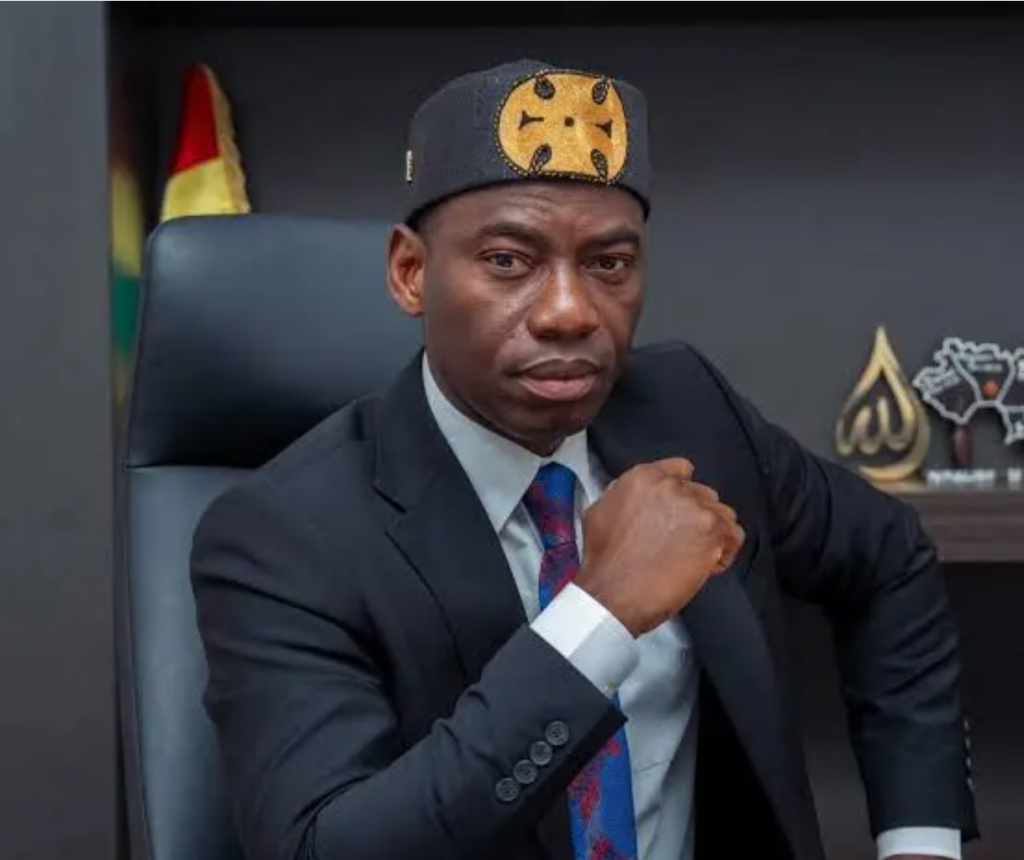
The Burkina Faso judiciary’s decision to seek an international arrest warrant against prominent Ivorian pastor Camille Makosso has sent shockwaves across West Africa, raising urgent questions about terror financing and transnational threats. Announced following a high-profile press briefing by Ouagadougou’s prosecutor general, the move underscores a growing regional crackdown on those allegedly financing or enabling terrorism.
Why Burkina Faso’s legal action against Camille Makosso matters
The decision to pursue an international arrest warrant for Camille Makosso—a well-known Ivorian pastor and social media influencer—marks a significant escalation in Burkina Faso’s counterterrorism strategy. It signals a shift from domestic prosecutions to cross-border legal action, targeting individuals whose influence may extend beyond national borders.
According to legal experts, such warrants are typically used when a suspect is believed to be outside the issuing country or when their activities involve multiple jurisdictions. Burkina Faso’s judiciary appears to be leveraging international cooperation frameworks to ensure suspects cannot evade justice by fleeing abroad.
But with serious allegations of terrorism financing on the table, the case now demands close scrutiny from neighboring governments, especially Côte d’Ivoire, where Makosso operates publicly.
Security implications for West Africa’s fragile Sahel region
The timing of this announcement is no coincidence. Burkina Faso has been reeling from a decade-long insurgency fueled by armed groups linked to global jihadist networks. In response, the country has intensified judicial and security measures, including stricter anti-money-laundering laws and tighter oversight of religious organizations.
While Burkina Faso’s prosecutor did not detail the specific charges, the move reflects a broader regional trend: governments are increasingly targeting preachers and influencers whose sermons or online content are suspected of radicalizing followers or funneling funds to militant groups. Similar cases have emerged in Mali and Niger, where religious figures have been arrested under suspicion of colluding with terror networks.
If substantiated, allegations against Makosso could expose weaknesses in regional monitoring systems, highlighting how charismatic leaders may exploit public trust to support violent extremism.
International cooperation: a double-edged sword
For an international arrest warrant to succeed, Burkina Faso must rely on robust judicial cooperation with foreign governments. Officials have already indicated they are engaging with Côte d’Ivoire, the United States, and France—countries with strong legal ties to both Burkina Faso and Makosso’s native Ivory Coast.
However, the process is fraught with challenges. Even if Makosso is located abroad, an arrest is not guaranteed. Extradition requests are subject to bilateral treaties, domestic laws, and judicial review. Some countries may refuse to extradite their citizens, while others might demand additional evidence before acting.
Legal analysts warn that this case could become a test of how far West African nations are willing to go in prosecuting terror-linked influencers. It may also reveal gaps in coordination between intelligence agencies and judicial bodies across the region.
What we still don’t know: key unanswered questions
- What are the exact allegations? While described as “terrorism-related,” the public remains in the dark about specific evidence, timelines, or the legal framework underpinning the warrant.
- Has Makosso been notified? There is no confirmation that he has received formal charges or been informed of the warrant.
- What’s his response? To date, no public statement has been attributed to Makosso or his representatives regarding the allegations.
- Could this trigger a diplomatic crisis? If Côte d’Ivoire resists extradition or disputes the warrant’s validity, tensions could rise between the two nations—both key players in regional security.
Looking ahead: what happens next?
The next critical phase will be the formalization of the arrest warrant through Interpol and other international channels. Once disseminated, foreign authorities will assess the request based on their own legal standards.
If Makosso is detained outside Burkina Faso, a prolonged extradition battle could follow—one that would test the strength of West Africa’s judicial alliances. Meanwhile, the case has already ignited debates over freedom of speech versus national security, particularly regarding the role of religious figures in public life.
For now, one thing is clear: this is more than just a legal proceeding. It’s a defining moment for regional security, with ripple effects likely to be felt far beyond the courtroom.





