Central Africa: Alleged mass recruitment of 1,000 youths in Ndélé by Russian mercenaries
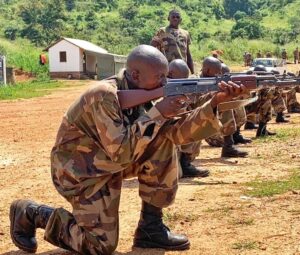
Reports from Ndélé, a key town in northern Central Africa, indicate that Russian-linked military contractors have launched an extensive campaign to enlist local young men, with recruitment targets reaching up to 1,000 individuals. The operation, unfolding in the Vakaga region, follows a pattern of similar initiatives observed in other parts of the country as foreign security firms deepen their influence.
How the recruitment drive is unfolding in Ndélé
The effort appears to be systematic, targeting unemployed or economically vulnerable youth with promises of regular pay and combat training. Local sources describe a process where potential recruits are gathered in public spaces before being transported to undisclosed locations for processing. While official statements from the Central African government remain absent, observers note the growing footprint of these contractors in national security operations.
Implications for regional stability
The surge in enlistment activity raises concerns among civil society groups and international observers. Critics argue that such recruitment could exacerbate local tensions, particularly in communities already grappling with instability. The involvement of foreign security entities in national defense structures continues to spark debate over sovereignty and long-term security strategies in Central Africa.
Who are the Russian-linked contractors operating in the region?
These operatives, widely identified as part of the Wagner Group, have been active in Central Africa since 2018, initially deployed under bilateral agreements. Their roles have expanded beyond advisory duties to include direct participation in combat operations and now, mass recruitment drives. Their presence has drawn both criticism and support, with some praising their contributions to security while others question their accountability and long-term impact on the region.
What’s next for Ndélé and its residents?
As the recruitment campaign gains momentum, questions linger about the future of those enlisted. Will they receive proper training and compensation? What safeguards are in place to protect their rights? With limited transparency, communities remain on edge, unsure of the true motives behind this large-scale mobilization.