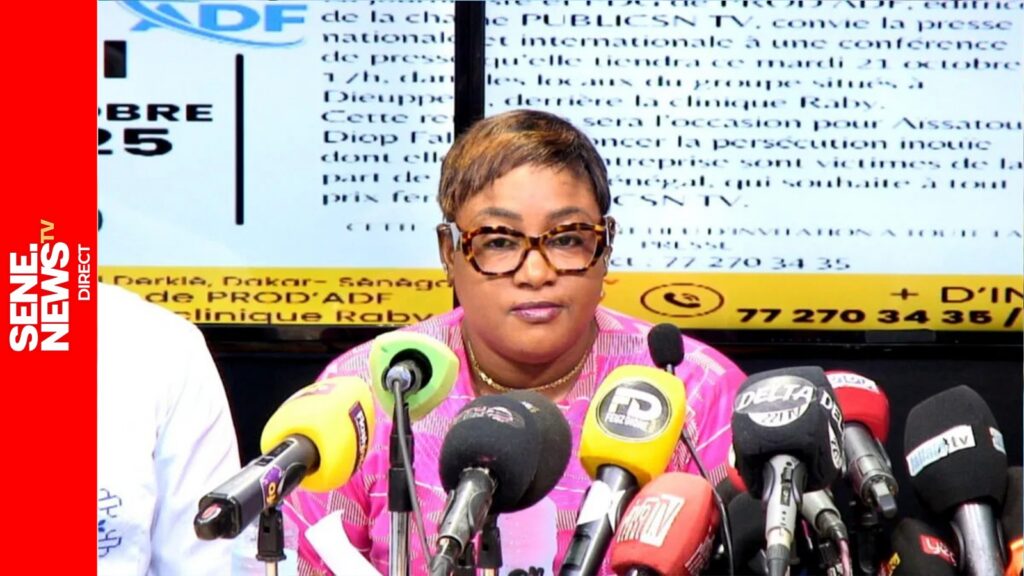
The legal situation for journalist and media executive Aïssatou Diop Fall is escalating following her controversial statements about opposition leader Ousmane Sonko. She has been summoned to appear before the Division spéciale de cybersécurité (DSC) today, a move triggered by an independent investigation initiated by the prosecutor’s office in Dakar.
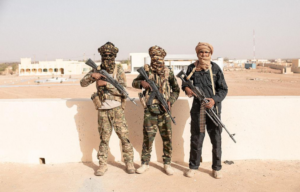
This unprecedented development comes after a video surfaced in which she allegedly expressed a wish for Sonko to be abducted by armed extremists. The remarks ignited immediate backlash across social media platforms and public discourse, prompting widespread condemnation.
In an attempt to quell the outrage, Aïssatou Diop Fall released a follow-up video offering a public apology. Despite her efforts to clarify her position, prosecutor Ibrahima Ndoye maintained the summons, emphasizing that Senegalese law treats online incitement seriously—especially when it involves threats or calls for violence against individuals.
Under the nation’s penal code and cybersecurity legislation, statements made on digital platforms can constitute legal violations even without direct action. Potential charges may include incitement to violence, public disorder, or threats against a person’s safety. The DSC’s role is to assess whether such content crosses legal lines, and their findings will determine the next steps in the case.
If convicted, penalties could range from hefty fines to imprisonment, particularly if the content is deemed to have incited criminal behavior. The final judgment will depend on the thorough review of her statements and the prosecution’s interpretation of Senegalese law.