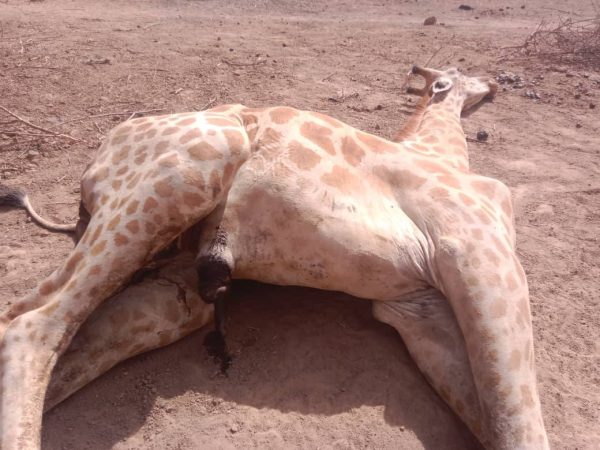
In a heartbreaking turn of events, Abagana, the first giraffe born in the Gadabedji biosphere reserve, has died at the age of just a few months. The young giraffe, a symbol of hope for the region’s wildlife conservation efforts, succumbed to a severe illness on May 16, 2026, due to the lack of adequate veterinary care.
The loss of Abagana is more than a tragedy—it’s a stark reminder of the chronic medical shortages plaguing one of Niger’s most vital ecological and tourist treasures. His death has left conservationists, wildlife rangers, and tourism stakeholders in deep sorrow, as they mourn the passing of an animal that represented the future of sustainable ecotourism in the area.
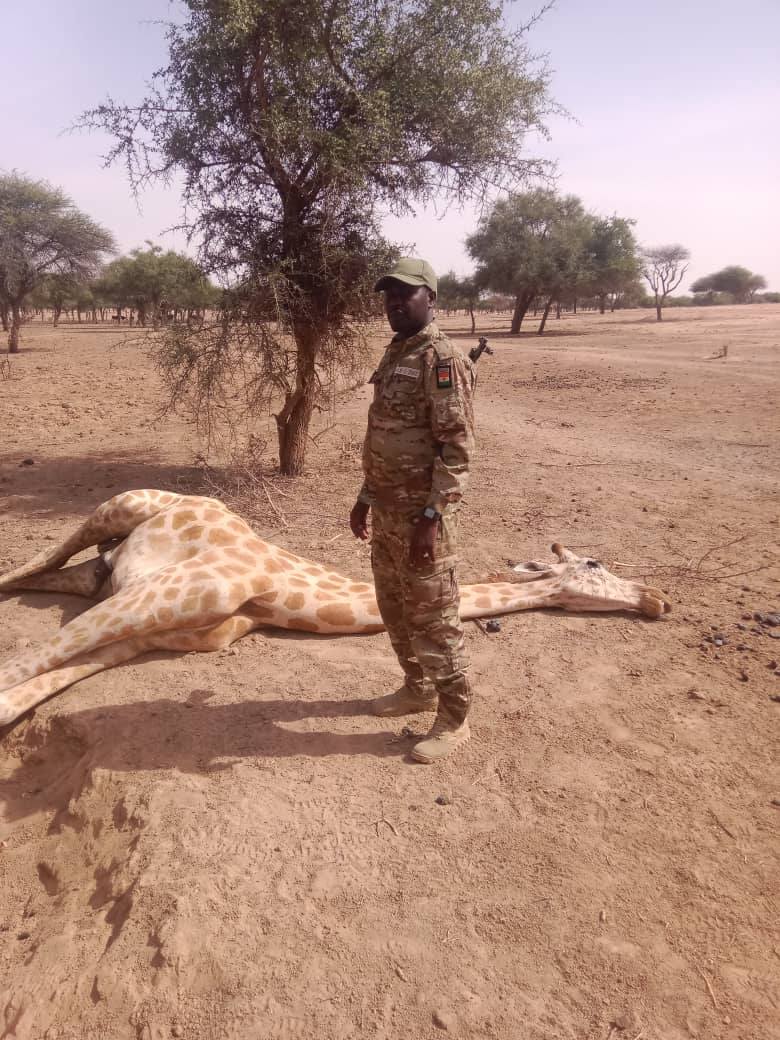
The final days of Abagana: a suffering too heavy to bear
The circumstances surrounding Abagana’s death are as painful as they are preventable. The young giraffe was struck down by a prolapse penis, a condition that caused his genital organ to protrude permanently from its sheath. Unable to urinate and deprived of proper medical intervention, he endured agonizing suffering before his untimely demise.
This devastating loss follows closely on the heels of another tragedy in Gadabedji. Earlier this year, a female giraffe perished during a difficult birth, a loss that could have been avoided with timely veterinary assistance. For wildlife rangers on the ground, these repeated failures feel like a cruel reminder of their powerlessness in the face of systemic gaps in care.
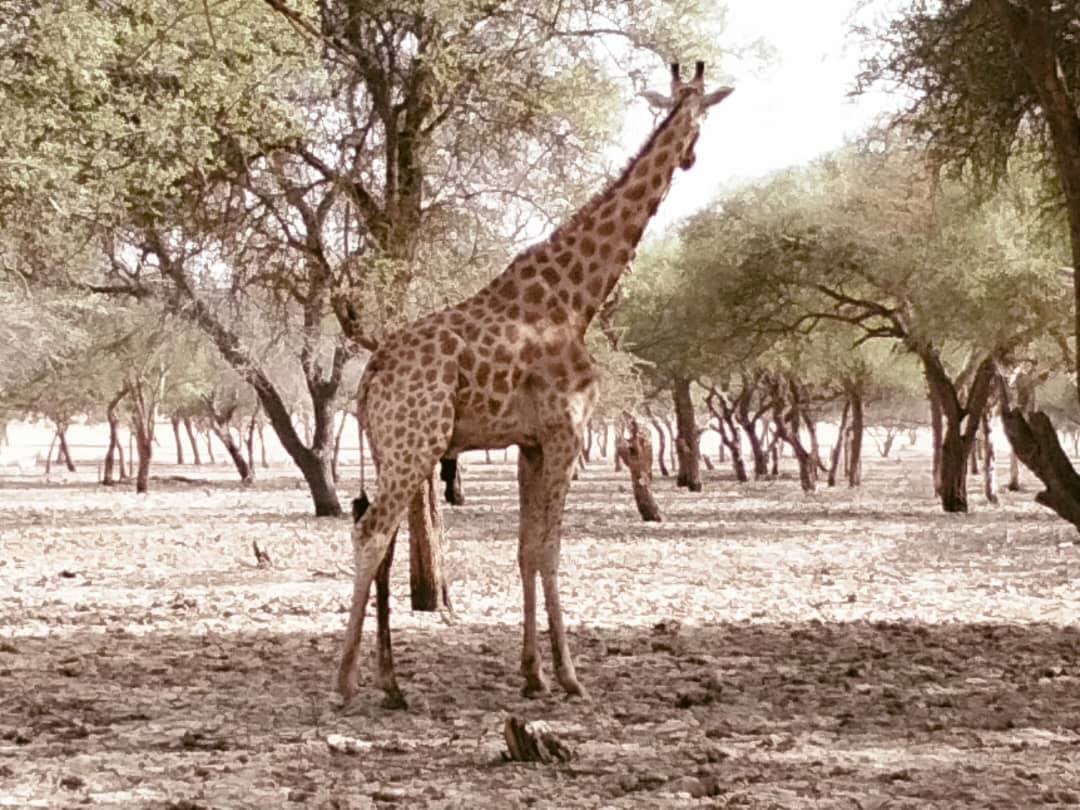
Urgent calls for change: training the first line of defense
The loss of Abagana is not just an ecological setback—it’s a blow to Niger’s tourism economy, where each giraffe is a priceless asset. His death has ignited fierce criticism of the government’s failure to address gaping deficiencies in wildlife medical care. Conservationists and rangers are no longer willing to remain silent as preventable tragedies unfold before their eyes.
« We watch helplessly as our animals die, one after another, » confesses a specialist closely involved in the reserve’s operations. « The situation has reached a breaking point, and without immediate action, more lives will be lost. »
Experts are now demanding urgent measures, including specialized training for local wildlife rangers in veterinary first aid and anesthesia techniques. Without these critical skills, the fragile ecosystem of Gadabedji—and the nation’s tourism appeal—remains at grave risk. The time for action is now; every day of delay risks another preventable tragedy.