Gabon’s new diplomacy: turning african partnerships into economic growth
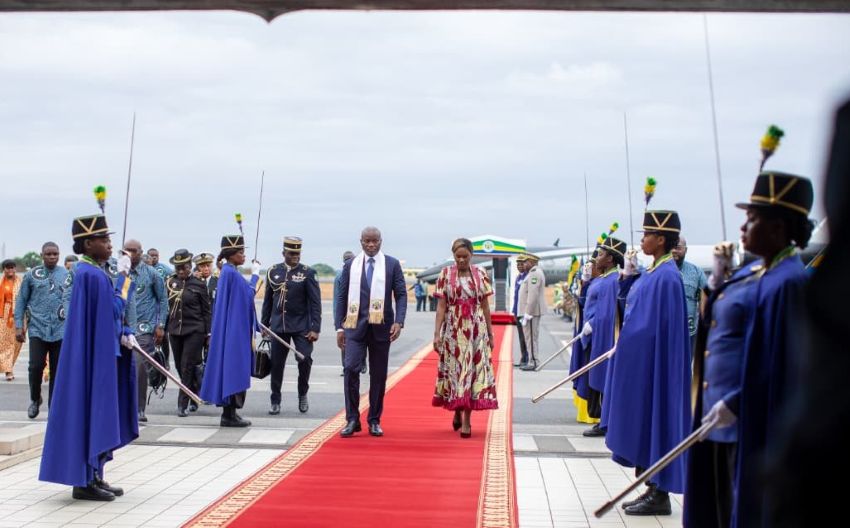
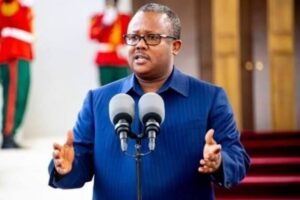
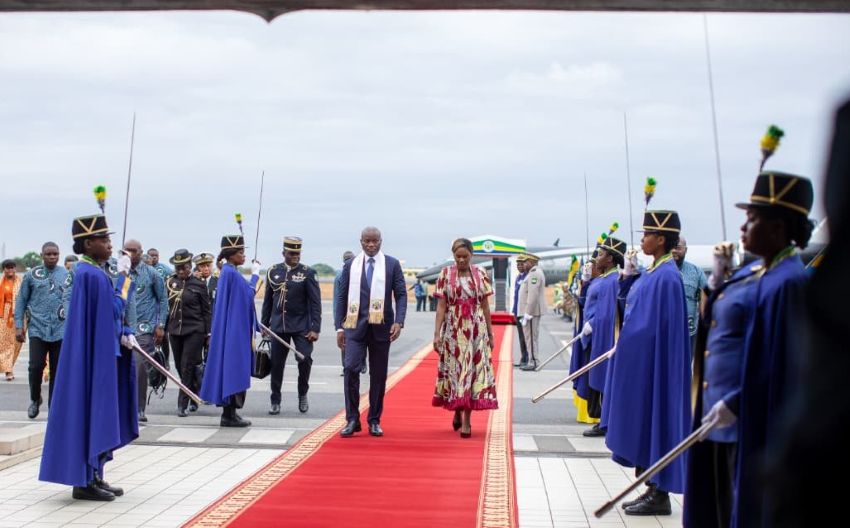
Libreville, August 8, 2026 — President Brice Clotaire Oligui Nguema concluded an intensive 12-day African tour on Friday, returning to Libreville with a clear mandate: transform diplomatic progress into tangible economic outcomes.
The journey, spanning from July 27 to August 7, was far more than a routine diplomatic exercise. It represented a strategic pivot toward economic diplomacy, where every handshake, agreement, and signed memorandum must now translate into real investments, job creation, and infrastructure development for Gabon.
From handshakes to hard results
The tour’s true measure of success will not be in the number of meetings held, but in the concrete results that follow. Agriculture, energy, infrastructure, vocational training, and trade were all high on the agenda. This marks a fundamental shift in Gabon’s foreign policy—one that seeks to make diplomacy an engine of national development rather than mere diplomatic representation.
A strategic visit to Côte d’Ivoire
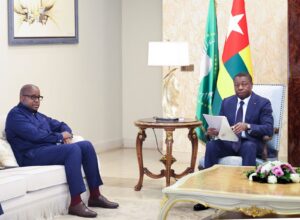
The stop in Abidjan was particularly illustrative of this new approach. Oligui Nguema did not merely attend official meetings; he toured industrial zones, examined large-scale infrastructure projects, and engaged directly with business leaders from groups like NSIA and Aurion Capital. The focus was unmistakable: positioning Gabon as a prime destination for African investment in energy and industry.
This strategy aligns perfectly with Gabon’s broader economic ambitions. With a need to diversify its economy and maximize the value of its natural resources, the country can no longer afford a diplomacy that exists in a vacuum. Instead, each international engagement must serve as a bridge to capital, technology, skilled labor, and new markets.
Solidarity with a purpose: economic interdependence
The president’s message carried a dual intent: reinforcing Gabon’s African ties while advocating for a model of economic interdependence. The Ivorian example was particularly instructive. By observing Abidjan’s rapid industrialization, urban development, and private sector mobilization, Oligui Nguema wasn’t just conducting a courtesy visit—he was studying a roadmap for Gabon’s own transformation.
What emerged from the Libreville-Abidjan axis was not just a political alliance, but a potential hub for shared learning. Future cooperation could include industrial partnerships, infrastructure financing, technology transfer, and workforce development—each designed to elevate Gabon’s standing in the region.
Similar principles guided engagements in other capitals. Whether in energy, agriculture, or vocational training, the emphasis remained consistent: how can these partnerships accelerate Gabon’s economic progress?
The moment of truth: beyond promises
As the presidential convoy rolled back into Libreville, the tour’s final chapter began—not with fanfare, but with the heavy lifting of implementation. A diplomacy of results demands measurable outcomes: signed contracts, launched projects, created jobs, and expanded market access for Gabonese businesses.
The white presidential sash, adorned with Gabon’s coat of arms, symbolized a commitment to national identity and continental openness. But symbols alone will not suffice. The true test lies in execution. Will the agreements signed in Abidjan, Accra, and beyond materialize into roads, factories, and training centers? Will Gabonese entrepreneurs find new opportunities across the continent?
The next phase is clear: move from diplomatic itineraries to economic impact. Gabon now has a rare window to attract investment, negotiate favorable terms, and learn from Africa’s most dynamic economies. The question is no longer about how far the president traveled, but how much closer the country has come to its development goals.
The challenge is set. Gabon must redefine diplomacy—not as a showcase, but as a catalyst for growth.